India Supreme Court Expands to 38 Judges
Cabinet approves increase to expedite justice delivery in India.
Model Diplomat2 min readAsia
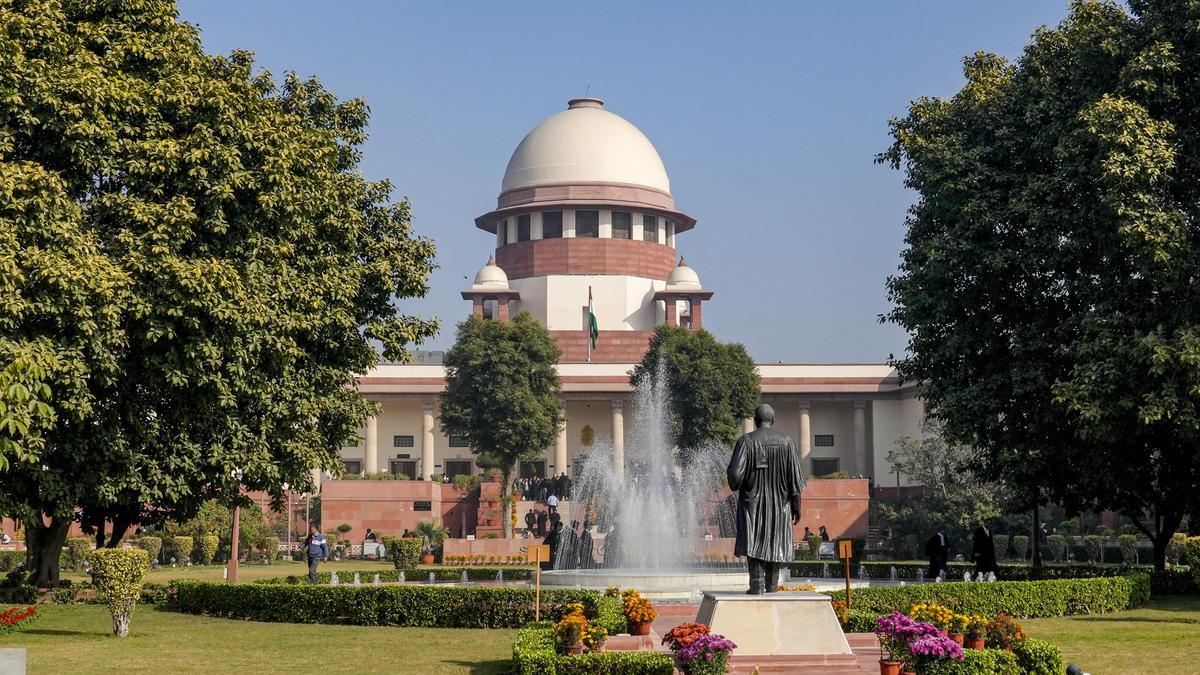
India Boosts Supreme Court Strength to 38 Judges
India's cabinet has approved increasing the Supreme Court's judge strength to 38, aiming to tackle the mounting case backlog and expedite justice delivery.
The Indian Union Cabinet on May 5, 2026, approved a proposal to increase the sanctioned strength of the Supreme Court of India from 34 to 38 judges. This decision adds four new judicial positions, directly addressing the long-standing issue of a burgeoning backlog of cases that has strained the apex court's capacity. Source: The Hindu
Judicial Capacity Expansion
The expansion of the Supreme Court to 38 judges is a direct response to overwhelming caseload pressure. As of early 2026, the Court faces an estimated backlog of over 80,000 cases, with many pending for years. [Reports on Judicial Pendency, 2026] This structural increase, the first since 2019 when the strength was raised from 31 to 34, aims to bolster the Court's capacity to hear cases and deliver judgments more efficiently. Source: The Hindu
The government, through the Union Cabinet, is exercising its executive authority to bolster a crucial arm of the state. This move is designed to satisfy demands from the judiciary and legal fraternity for increased resources to combat judicial pendency. Beneficiaries include the Court itself, struggling under the weight of its docket, and the millions of litigants awaiting resolution of their cases. While not a direct loss, critics might argue that simply adding judges does not address underlying issues of case management, or the more significant pendency crisis in lower courts, which hold millions more cases. This decision nonetheless signals a commitment to judicial infrastructure, aligning with common trends in Global Politics where judicial capacity is frequently debated.
What to Watch Next
The immediate focus shifts to the operationalization of these new positions. The process of identifying, recommending, and appointing four new judges to the Supreme Court by the Collegium, followed by government approval, will be critical. The speed and transparency of this process will be key indicators of the executive's commitment to speedily augmenting the Court's bench. [Judicial Appointment Watch, May 2026]
Beyond appointments, the performance metrics of the Supreme Court—specifically, case disposal rates and pendency figures in the six to twelve months post-augmentation—will reveal the practical impact of this decision. Observers will also watch for any renewed discussions on judicial reforms aimed at improving efficiency, rather than solely relying on increasing judge numbers. The long-term implications for India's legal system, and the potential for similar expansions in High Courts, remain salient points for future analysis.
Discover more

India
India-South Korea $50B Trade Expansion Plan
India and South Korea target $50 billion in bilateral trade by 2030, focusing on industrial cooperation and strategic alignment amid US pressures.

Conflict & Security
Drone Warfare Killing Aid Workers at Unprec
Over 1,000 humanitarian workers killed in three years as cheap armed drones collapse legal protections. Gaza, Sudan, Ukraine, and DRC see deliberate targeting of aid convoys and hospitals with zero prosecutions.

Global
World Normalises Taliban as Afghan Women Eras
UN data shows Afghan women erased from public life as Russia recognises the Taliban, EU hosts officials in Brussels, and ICC warrants for gender persecution go unenforced.

Conflict & Security
West Africa Food Crisis: Three Shocks in 2026
Conflict, climate extremes, and the Strait of Hormuz closure drive a severe food crisis in West and Central Africa, with fertilizer prices surging 80% and millions displaced.