House Republicans Blink on Iran War Powers
GOP leaders delay vote on Trump’s Iran military campaign.
Model Diplomat2 min readNorth America
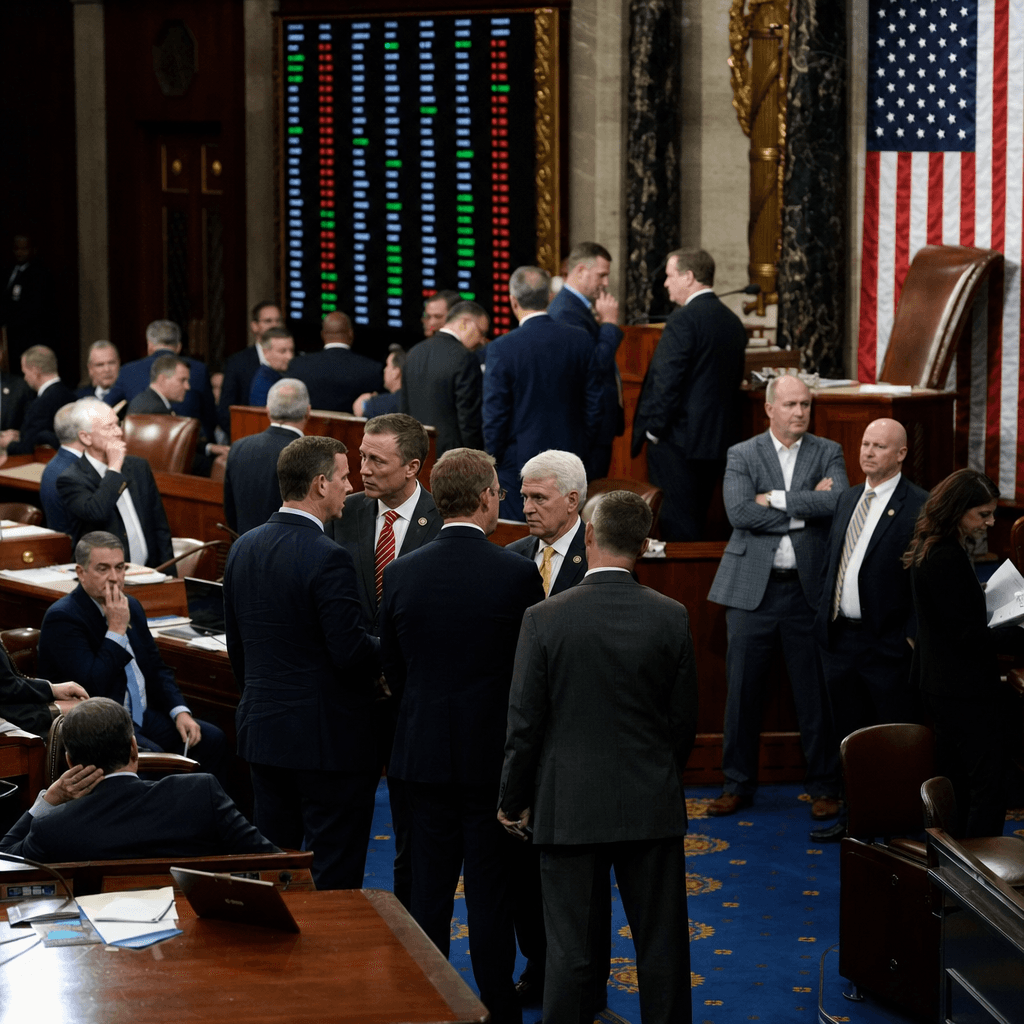
House Republicans Blink on Iran War Powers — for Now
[GOP leaders pulled a House vote they were about to lose, buying Trump time while exposing how fragile his Iran coalition has become.]
House Republican leadership scrapped a planned vote Thursday on a resolution to rein in President Donald Trump’s military campaign in Iran after it became clear they did not have the numbers to block it, Axios reported. The pullback spared Speaker Mike Johnson from an embarrassing floor loss, but it also confirmed that the anti-war bloc is no longer just Democrats: Axios said Rep. Jared Golden was ready to flip to yes, while at least four Republicans had backed the measure before.
CNN Politics reported the vote was canceled when absences made defeat likely, with Democratic sponsor Rep. Gregory Meeks accusing Johnson of stalling to avoid a public rebuke.
The leverage has shifted to procedure, not principle
This is the core power dynamic in Washington right now: Trump still controls the policy, but House Republicans are struggling to control the optics. Johnson can delay a vote, but he cannot erase the fact that a growing slice of his conference is uneasy with an Iran campaign that began without fresh congressional authorization. Trump compounded the problem by attacking Rep. Brian Fitzpatrick of Pennsylvania after Fitzpatrick said he would still vote for the resolution, Axios reported. For lawmakers tracking United States politics, the message is simple: the White House has leverage over the party, but that leverage is no longer cost-free.
Why this matters beyond one vote
The vote was not just about Iran; it was about whether Congress can still assert itself on war powers at all. CBC News, citing Reuters, reported that Trump told congressional leaders the February 28 hostilities had been “terminated” by a ceasefire, arguing the War Powers Resolution’s 60-day clock no longer applies. Democrats call that a legal dodge, not an answer.
The Globe and Mail reported that pressure on Republicans has been building as the war drags on, shipping through the Strait of Hormuz is disrupted, and public patience thins. That combination is what makes this fight more dangerous for Trump than a normal messaging vote: it is testing whether a narrow congressional majority will keep protecting a president on a legally contested war even as the political cost rises.
What to watch next
GOP leaders said they want to bring the measure back after the Memorial Day recess, making the next whip count the real decision point, Axios reported. If absent Republicans return and Golden joins Democrats, Johnson may have to let the House vote and absorb the split; if Trump’s pressure works, the leadership can delay again, but only briefly. The next move in Congress — and Trump’s next move on Iran — will tell us whether this is a temporary retreat or the start of a broader break in Republican discipline.
Discover more
Global Politics
Trump's Conflicting Messages on Iran War
Trump's mixed messages on Iran reflect a strategy of audience management, benefiting Tehran amid a complex geopolitical landscape.

Conflict & Security
Drone Warfare Killing Aid Workers at Unprec
Over 1,000 humanitarian workers killed in three years as cheap armed drones collapse legal protections. Gaza, Sudan, Ukraine, and DRC see deliberate targeting of aid convoys and hospitals with zero prosecutions.

Global
World Normalises Taliban as Afghan Women Eras
UN data shows Afghan women erased from public life as Russia recognises the Taliban, EU hosts officials in Brussels, and ICC warrants for gender persecution go unenforced.

Conflict & Security
West Africa Food Crisis: Three Shocks in 2026
Conflict, climate extremes, and the Strait of Hormuz closure drive a severe food crisis in West and Central Africa, with fertilizer prices surging 80% and millions displaced.