House GOP Advances FISA and ICE Funding Rule
Mike Johnson's procedural win stabilizes House GOP agenda
Model Diplomat3 min readNorth America

House GOP Clears Rule, Reopening the FISA-ICE Fight
Mike Johnson’s win was procedural but critical: a passed rule keeps FISA, ICE funding and the farm bill moving in a one-vote majority.
House Republicans cleared a procedural rule needed to move FISA, ICE funding, and the farm bill, handing Speaker Mike Johnson a badly needed show of control over a fractious conference. The immediate significance is not ideological; it is institutional. In the House, losing a rule vote can kill the floor agenda before the real fight starts. That is why this counts as a power win for leadership, even before any final bill passes. House GOP clears key hurdle for FISA, ICE funding in dramatic vote,
One vote to lose: Life inside a chaotic House GOP majority
Why this matters
Johnson’s leverage is procedural, not numerical. CNN described the House GOP’s margin this year as so narrow that leadership can effectively have just one vote to lose on party-line tests. That makes every rule vote a referendum on whether the speaker can still organize the chamber at all. One vote to lose: Life inside a chaotic House GOP majority
This rule also matters because FISA is on a deadline. After House Republicans failed to pass a longer-term renewal of the surveillance authority earlier this month, Congress fell back on a 10-day extension running through April 30. That compressed timetable turned a routine procedural vote into a national-security test for Johnson: if he cannot hold the floor, he cannot deliver a longer-term Section 702 outcome either. House agrees to 10-day FISA extension after collapse in GOP talks,
Congress votes to briefly extend FISA surveillance law amid GOP divisions
The wider backdrop is a brutal legislative squeeze. House Republicans have spent roughly 10 weeks in a broader DHS funding standoff, while also trying to move spy powers and a major farm bill through the same narrow majority. CNN called this a potential “nightmare week” for leadership. The passed rule suggests Johnson’s team has, at minimum, stopped the procedural bleeding. Hill GOP braces for ‘nightmare week’ as pressure mounts to end DHS funding standoff
For broader Washington context, this is the kind of internal majority management shaping U.S. legislative capacity on our US Politics page.
Who gains, who loses
Johnson benefits first. So do the committee chairs and leadership blocs that need floor time for security, immigration, and agriculture priorities. A successful rule vote denies holdouts their easiest veto: blocking debate itself. House GOP clears key hurdle for FISA, ICE funding in dramatic vote
The relative losers are the factions that had been using process as leverage — especially privacy hawks on FISA and conservatives willing to use procedural defeats to extract concessions. They still have influence on the substance, but less power to freeze the chamber outright. That distinction matters in a House where process is often the strongest weapon dissidents have. House agrees to 10-day FISA extension after collapse in GOP talks,
One vote to lose: Life inside a chaotic House GOP majority
What to watch next
The next hard date is April 30, when the temporary FISA extension expires. If Johnson can turn this rule win into passage of a longer-term surveillance deal, he strengthens his hand across the rest of the agenda — including immigration funding and the farm bill. If he cannot, this will look less like a breakthrough than a short-lived procedural rescue. House agrees to 10-day FISA extension after collapse in GOP talks
For the bigger strategic picture, watch how this affects the balance of power inside the United States House: not whether Republicans agree, but whether leadership can still make disagreement governable.
Discover more

US Politics
House Ethics Committee Pushes Sexual Miscond.
The House Ethics Committee has shifted responsibility for sexual harassment settlement records to the Office of Congressional Workplace Rights, complicating disclosure efforts.

Conflict & Security
Drone Warfare Killing Aid Workers at Unprec
Over 1,000 humanitarian workers killed in three years as cheap armed drones collapse legal protections. Gaza, Sudan, Ukraine, and DRC see deliberate targeting of aid convoys and hospitals with zero prosecutions.

Global
World Normalises Taliban as Afghan Women Eras
UN data shows Afghan women erased from public life as Russia recognises the Taliban, EU hosts officials in Brussels, and ICC warrants for gender persecution go unenforced.
Conflict & Security
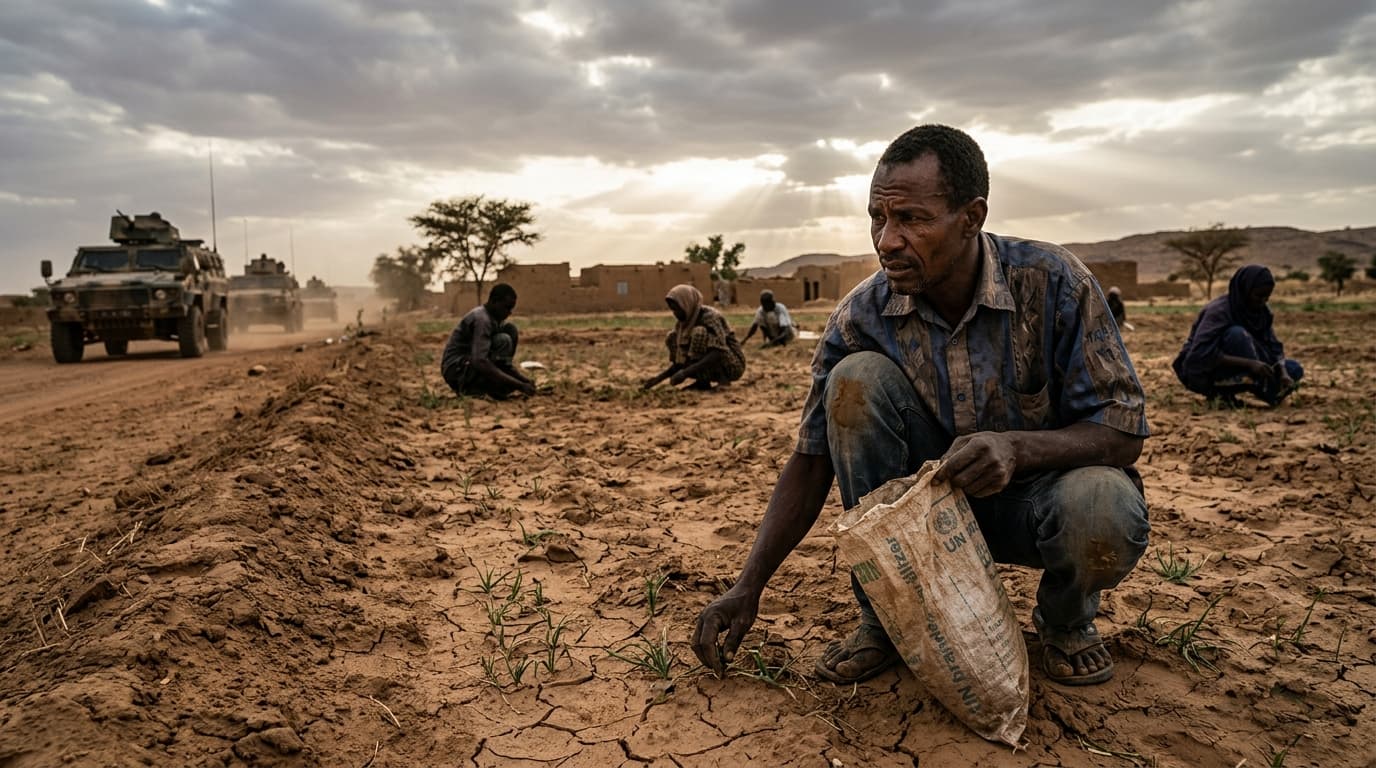
West Africa Food Crisis: Three Shocks in 2026
Conflict, climate extremes, and the Strait of Hormuz closure drive a severe food crisis in West and Central Africa, with fertilizer prices surging 80% and millions displaced.