Iran's Hormuz Control Forces India's Energy T
Iran's control over Hormuz impacts global oil supply and India.
Model Diplomat3 min readMiddle East
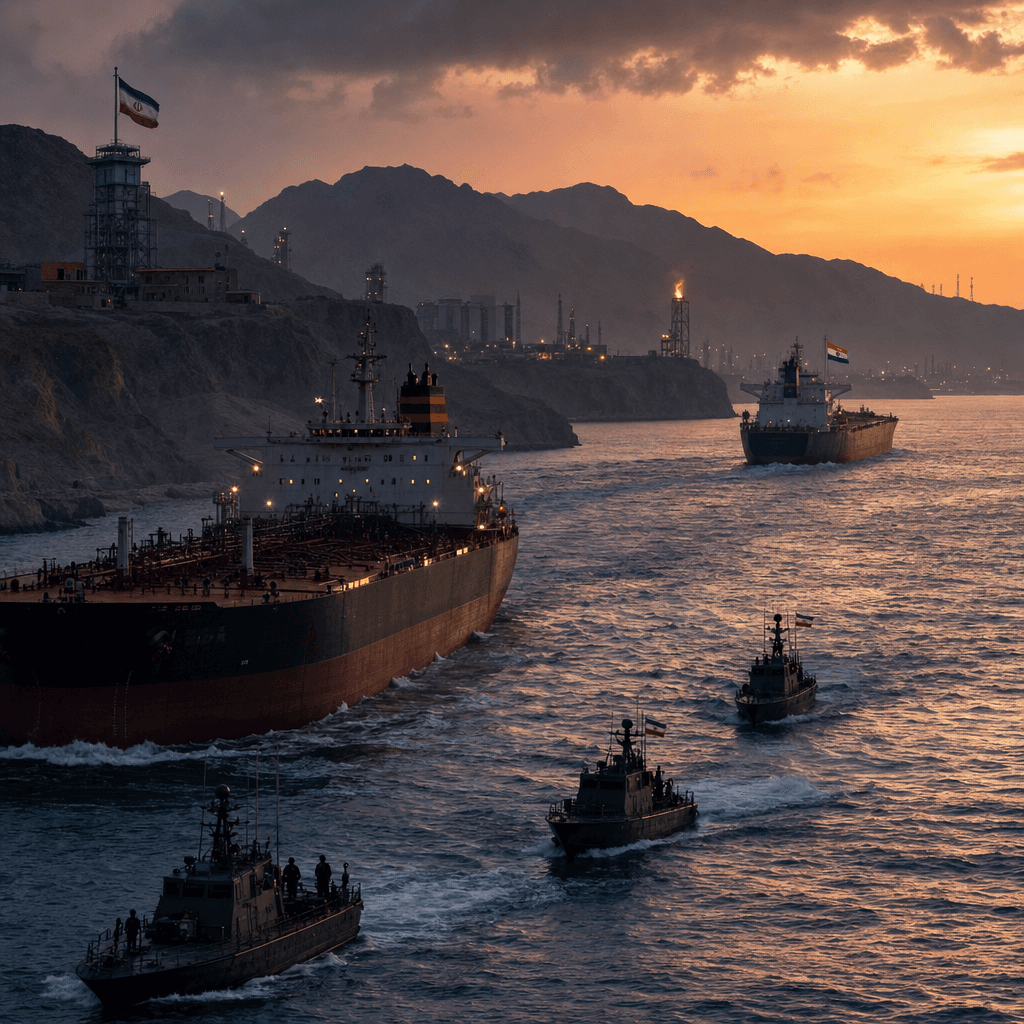
Hormuz Closure Gives Iran Leverage, Forces India to Hedge
Iran’s chokehold on Hormuz is squeezing oil supply into summer demand, while India accelerates fuel-saving and diversification plans.
The power dynamic is straightforward: whoever controls Hormuz controls the next shock to oil prices. Fatih Birol, the IEA chief, warned on Thursday that global oil markets could move into the “red zone” by July-August as stocks erode and summer demand rises, with around 14 million barrels a day missing from the market if the Strait stays closed, according to The Indian Express and
The Guardian. That is leverage, not just disruption: Iran does not need to flood the market to win. It only needs to keep traders, refiners and governments guessing long enough for inventories to tighten and politics to react.
Iran’s leverage is bigger than the price chart
Birol’s warning matters because it points to a supply problem that reserves can delay, not fix. The IEA says member states are still open to further strategic stock releases, but the agency also argues the “full and unconditional reopening” of Hormuz is the only durable solution, and that production in parts of the Gulf may take months to a year to recover, even if fighting eases, The Indian Express and
The Guardian reported. That shifts the burden onto importers: they must either absorb higher prices now or pay later through inflation, subsidies and weaker currencies.
The winners in that setup are the actors closest to supply control — Iran, and any producer able to route around the chokepoint. The losers are the large importers, especially those in Asia, whose refiners and shipping lines are exposed before they can diversify. For a broader view of how chokepoints drive state behavior, see Global Politics and
Conflict.
India is hedging, not solving
New Delhi is treating this as a structural vulnerability, not a temporary price spike. Prime Minister Narendra Modi has ordered multiple departments to look at alternative energy sources and lower fuel consumption, including solar power, green hydrogen, nuclear energy, ethanol blending and domestic output, The Indian Express said.
Al Jazeera reported that India has already raised petrol and diesel prices by about 3 percent, with state oil companies under pressure from higher import costs.
That is not optional policy; it is damage control. India imports roughly 90 percent of the oil it consumes, and about half of its crude normally transits Hormuz, Al Jazeera and the
BBC reported. The immediate objective is to slow the drain on foreign exchange and cap the pass-through into inflation. The larger objective is to make sure one maritime chokepoint does not dictate domestic energy policy the next time the Gulf blows up.
What to watch next
The next test is the summer demand peak. If Hormuz is still constrained into July, the IEA’s “red zone” warning becomes a market baseline, not a worst-case scenario, and India will face a sharper choice between another round of price increases and deeper fiscal support. Watch for any further IEA-coordinated reserve release, any move to reopen the strait, and whether New Delhi turns its contingency planning into actual rationing, subsidies or faster fuel substitution by early August.
Discover more

Global Politics
US Seizes Iranian Ship, Tensions Surge
The US seizure of the Iranian ship Touska highlights a shift in control over the Strait of Hormuz, favoring Iran's strategic position.

Conflict & Security
Drone Warfare Killing Aid Workers at Unprec
Over 1,000 humanitarian workers killed in three years as cheap armed drones collapse legal protections. Gaza, Sudan, Ukraine, and DRC see deliberate targeting of aid convoys and hospitals with zero prosecutions.

Global
World Normalises Taliban as Afghan Women Eras
UN data shows Afghan women erased from public life as Russia recognises the Taliban, EU hosts officials in Brussels, and ICC warrants for gender persecution go unenforced.
Conflict & Security
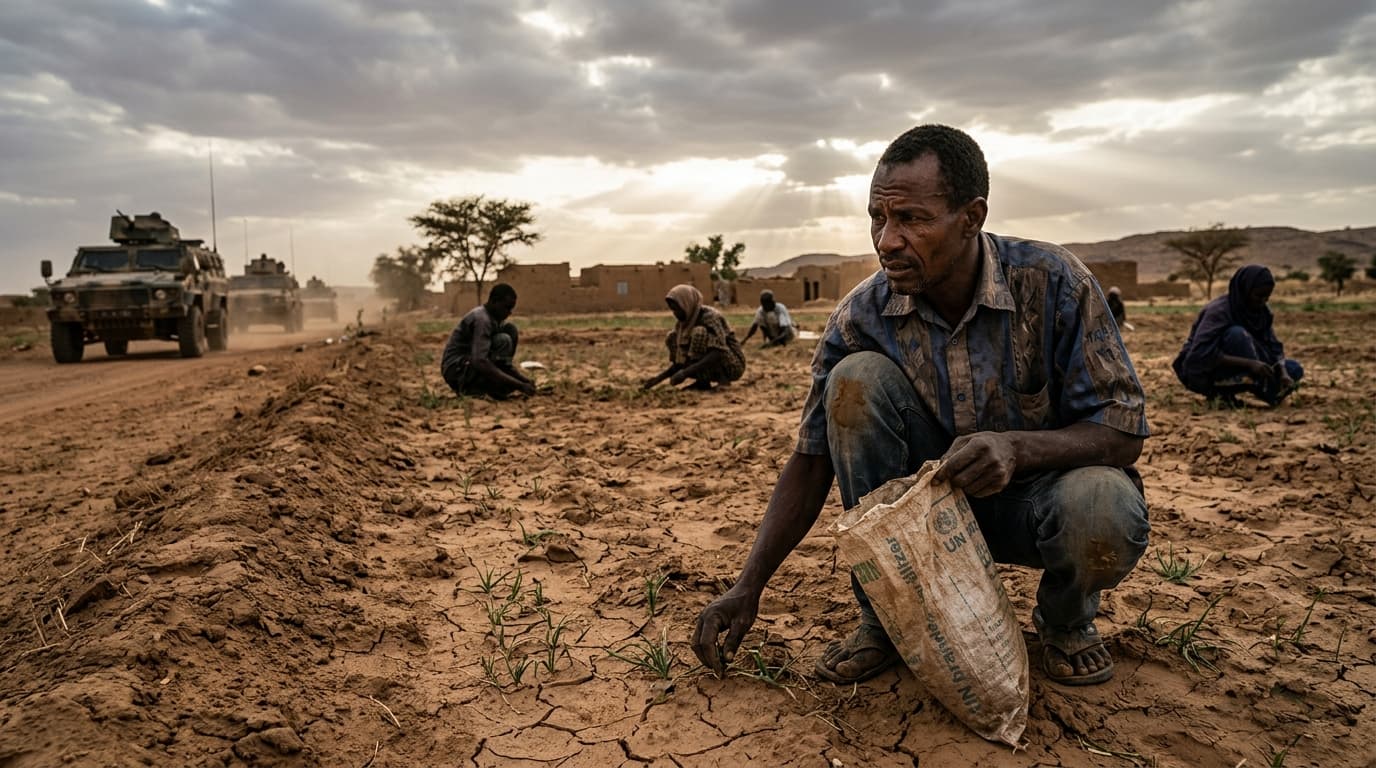
West Africa Food Crisis: Three Shocks in 2026
Conflict, climate extremes, and the Strait of Hormuz closure drive a severe food crisis in West and Central Africa, with fertilizer prices surging 80% and millions displaced.