Hegseth's Iran War Powers Strategy Explained
Hegseth argues Iran ceasefire pauses War Powers clock.
Model Diplomat3 min readNorth America
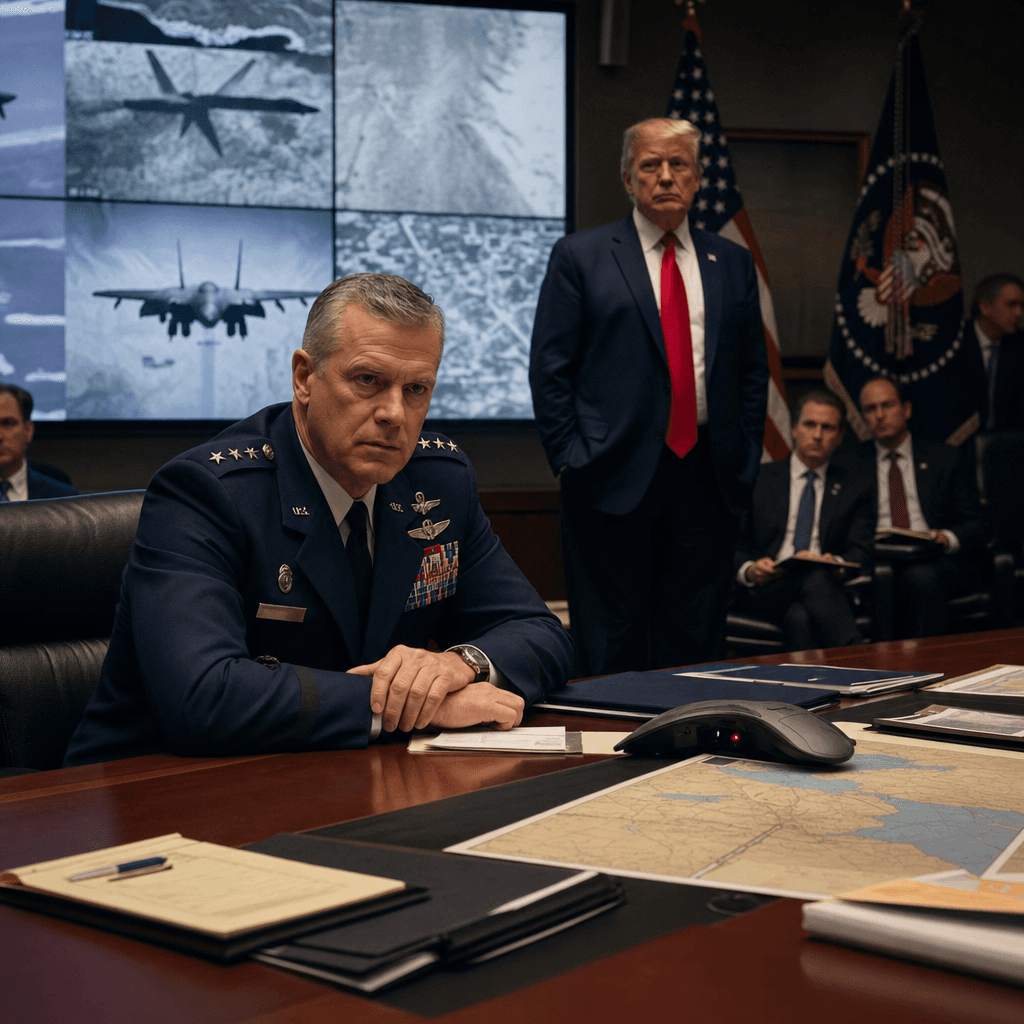
Hegseth’s Iran War-Powers Bet Buys Trump More Time
Hegseth is trying to dodge a War Powers vote by arguing the Iran ceasefire pauses the clock, but that keeps Congress on offense.
Defense Secretary Pete Hegseth told Sen. Lisa Murkowski on Tuesday that the administration does not need congressional authorization to keep military operations against Iran going, arguing President Donald Trump already has enough executive authority to act. The Hill reported that Murkowski is pressing for a Senate vote on a resolution authorizing force beyond the War Powers Act’s 60-day mark, while Majority Leader John Thune has not committed to bringing it to the floor (The Hill). For Trump, the point is leverage: keep the operational room, avoid a vote, and leave Republicans with no easy way to break from him.
The White House is trying to reset the legal clock
Hegseth’s argument is not that Congress is irrelevant in theory; it is that the ceasefire changes the timing. In Senate testimony, he said the administration’s view is that the 60-day War Powers clock pauses or stops while a ceasefire is in place, a position Reuters-cited reporting said the White House has used to claim the deadline does not apply right now (Iran International). Trump went further in a letter to Congress, saying the “hostilities” that began Feb. 28 had “terminated,” according to Reuters reporting carried by CBC (
CBC News).
That is the administration’s legal escape hatch. But it is also a political tell: if the clock really were cleanly settled, Hegseth would not need to spend hearing time defending it. The fact that he does shows the White House knows this is where Congress can still force a fight, especially through United States oversight and funding.
Murkowski’s effort matters because it exposes GOP vulnerability
Murkowski is not trying to stop the war by herself. She is trying to force Republicans to vote on whether they will let Trump keep widening the campaign without a fresh mandate. The Hill said Thune has resisted scheduling the measure, in part because a recorded vote on Iran is politically awkward for Republicans heading into the midterms (The Hill). That makes the effort more than symbolic: it tests whether GOP leadership will protect the president or protect vulnerable members from a hard vote.
The broader problem for the administration is that legal theory is colliding with visible military posture. Murkowski cited 15,000 forward-deployed troops, more than 20 warships, and Central Command actions against commercial shipping to argue that hostilities have not really ended, The Hill reported (The Hill). A Globe and Mail report quoting Brennan Center counsel Katherine Yon Ebright said the War Powers Resolution gives no textual support for “pausing” the clock, which is exactly why this fight is likely to become an institutional one, not a semantic one (
The Globe and Mail).
What to watch next
The next decision point is whether Thune ever brings Murkowski’s resolution to the floor, and whether Trump’s team sticks with the ceasefire-is-termination theory or asks for a formal extension. If operations resume, the White House may try to claim a new 60-day clock starts over — a workaround that would keep Congress chasing events instead of setting limits (CBC News,
Iran International). For policymakers, the signal is clear: this is less about Iran’s battlefield than about who controls the legal authority to widen it.
Discover more
Global Politics
Trump's Conflicting Messages on Iran War
Trump's mixed messages on Iran reflect a strategy of audience management, benefiting Tehran amid a complex geopolitical landscape.

Conflict & Security
Drone Warfare Killing Aid Workers at Unprec
Over 1,000 humanitarian workers killed in three years as cheap armed drones collapse legal protections. Gaza, Sudan, Ukraine, and DRC see deliberate targeting of aid convoys and hospitals with zero prosecutions.

Global
World Normalises Taliban as Afghan Women Eras
UN data shows Afghan women erased from public life as Russia recognises the Taliban, EU hosts officials in Brussels, and ICC warrants for gender persecution go unenforced.
Conflict & Security
West Africa Food Crisis: Three Shocks in 2026
Conflict, climate extremes, and the Strait of Hormuz closure drive a severe food crisis in West and Central Africa, with fertilizer prices surging 80% and millions displaced.