GOP Rift on DHS Funding Fuels Shutdown Crisis
House and Senate Republicans clash over DHS funding strategies.
Model Diplomat3 min readNorth America

House-Senate GOP Rift on DHS Leaves Shutdown Unresolved at Week Nine
With Johnson blocked by his own right flank and Senate Republicans on a different path, DHS remains the longest modern partial shutdown in U.S. history.
The Department of Homeland Security has now been operating without full appropriations for roughly nine weeks, making this the most protracted DHS funding lapse in modern congressional history — and the impasse is almost entirely self-inflicted by Republicans. As of April 28, US Politics watchers are tracking an intraparty standoff with no clean exit ramp.
The Fault Lines Within the GOP
The core fracture is structural: Senate Majority Leader John Thune and House Speaker Mike Johnson are pursuing incompatible strategies simultaneously.
Thune's chamber passed a bipartisan bill in late March that funds most DHS components but excludes ICE and Border Patrol, leaving those agencies to be handled through separate reconciliation. Johnson called that deal "a joke" and rejected it outright, per CNN. The House instead passed its own eight-week patch bundling ICE and Border Patrol funding together — a bill the Senate has not taken up.
Then came Senate GOP's April 21 countermove: a $70 billion immigration-enforcement reconciliation package intended to fund ICE and border operations through the end of Trump's term, bypassing Democratic opposition entirely, per CNN. That maneuver requires near-unanimous Republican support in both chambers — precisely the coalition that does not currently exist.
Johnson's problem on the House side is the Freedom Caucus, which has blocked floor movement on any partial DHS bill since the chamber returned from recess on April 13, per USA Today. Hardliners will not accept a bill that funds DHS agencies while leaving ICE and Border Patrol to a separate, uncertain reconciliation track.
Who Holds Leverage — and Who Pays
The Freedom Caucus holds the blocking position. Johnson's thin majority means a dozen defectors can kill any bill, and immigration hardliners have made ICE/Border Patrol funding non-negotiable. That gives roughly 20–30 House conservatives effective veto power over an institution that employs 260,000 people and runs the TSA, FEMA, the Secret Service, and Coast Guard.
TSA workers and airport operations are the most visible casualty. Trump has floated executive action to keep TSA staffed, but unilateral spending authority is legally precarious and has not materialized into a durable fix. Democrats, led by Senate Minority Leader Chuck Schumer, are content to watch — Schumer labeled the April 1 near-deal a Republican "cave" and has little incentive to rescue GOP leadership from its own members, per USA Today.
The unexpected beneficiary of the stalemate is Senate Democrats, whose leverage on any final DHS bill grows with each passing week.
What to Watch Next
The Senate reconciliation vote-a-rama on the $70 billion immigration package is the next decisive procedural moment — if it advances, it goes to the House, where the Freedom Caucus will demand it as the price for any DHS reopening bill. If it stalls, Johnson is back to square one with no viable path before the Memorial Day recess.
Watch whether Trump publicly endorses the Senate reconciliation track — his intervention in early April briefly unlocked a short-lived deal. A second presidential push is the most plausible circuit-breaker in a standoff that neither chamber's leadership can resolve alone. Learn more about the dynamics shaping this fight at International Affairs.
Discover more

US Politics
Next Generation Republicans
A leaked survey shows 39% of Republicans under 30 do not identify as MAGA, revealing a split in the GOP's future leadership.

Conflict & Security
Drone Warfare Killing Aid Workers at Unprec
Over 1,000 humanitarian workers killed in three years as cheap armed drones collapse legal protections. Gaza, Sudan, Ukraine, and DRC see deliberate targeting of aid convoys and hospitals with zero prosecutions.
Global
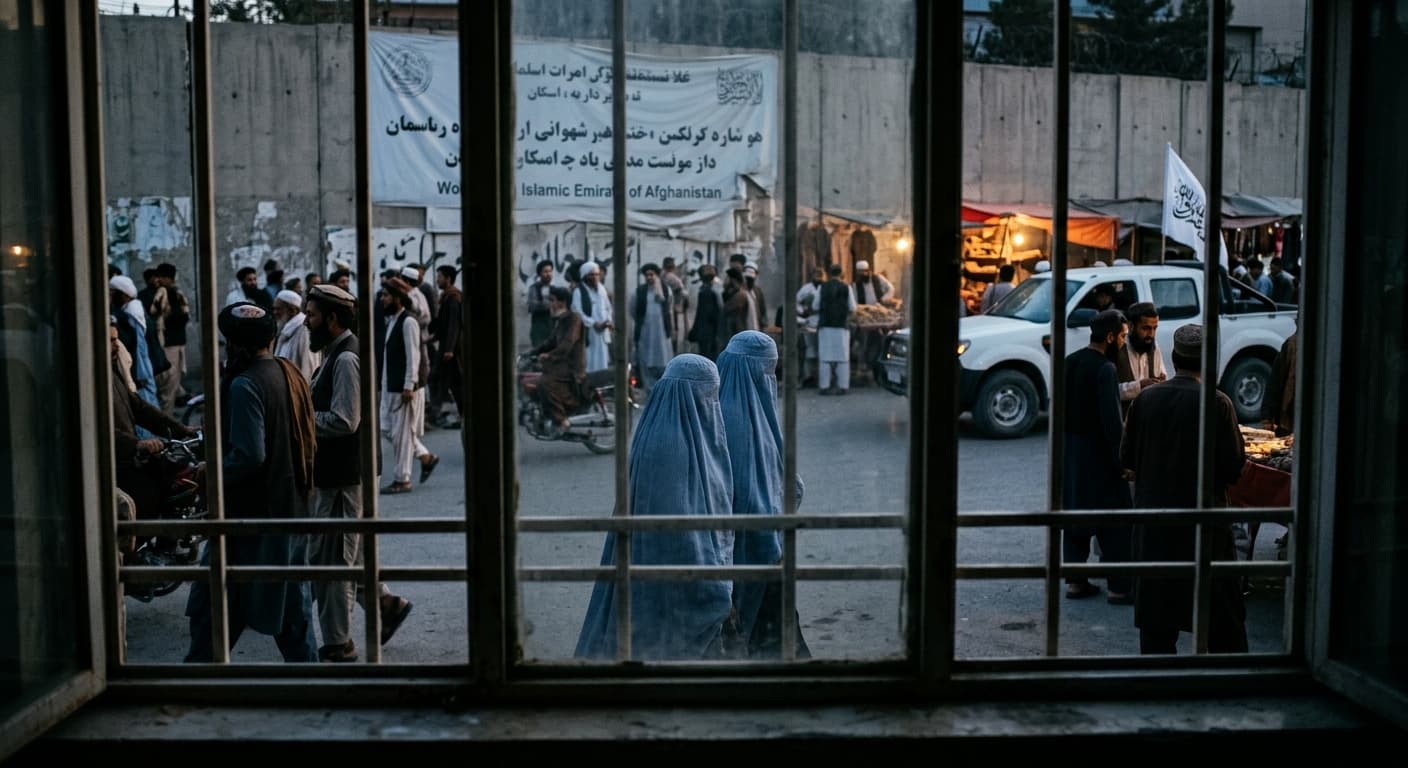
World Normalises Taliban as Afghan Women Eras
UN data shows Afghan women erased from public life as Russia recognises the Taliban, EU hosts officials in Brussels, and ICC warrants for gender persecution go unenforced.
Conflict & Security
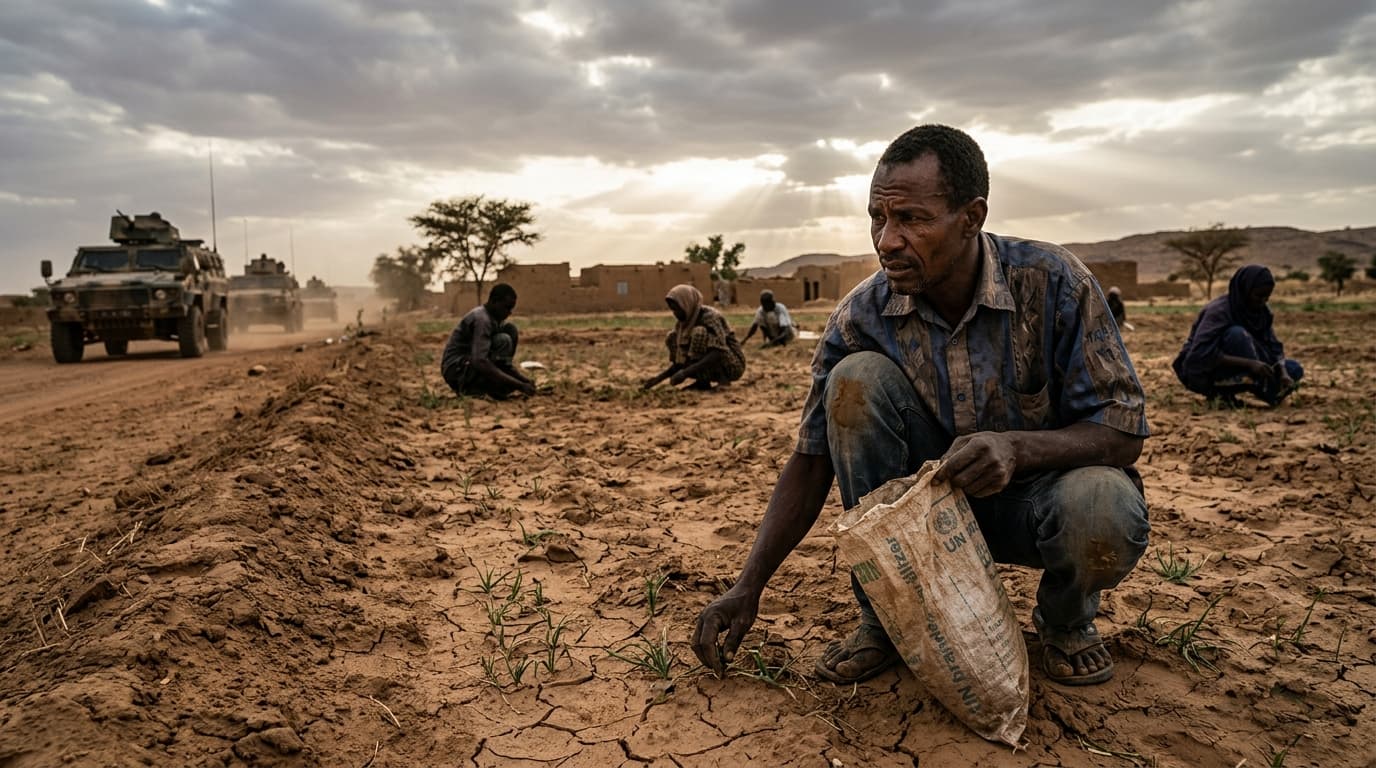
West Africa Food Crisis: Three Shocks in 2026
Conflict, climate extremes, and the Strait of Hormuz closure drive a severe food crisis in West and Central Africa, with fertilizer prices surging 80% and millions displaced.