Germany Advocates EU Veto Reform for Action
Germany aims to streamline EU decision-making on Ukraine and sanctions.
Model Diplomat2 min readEurope
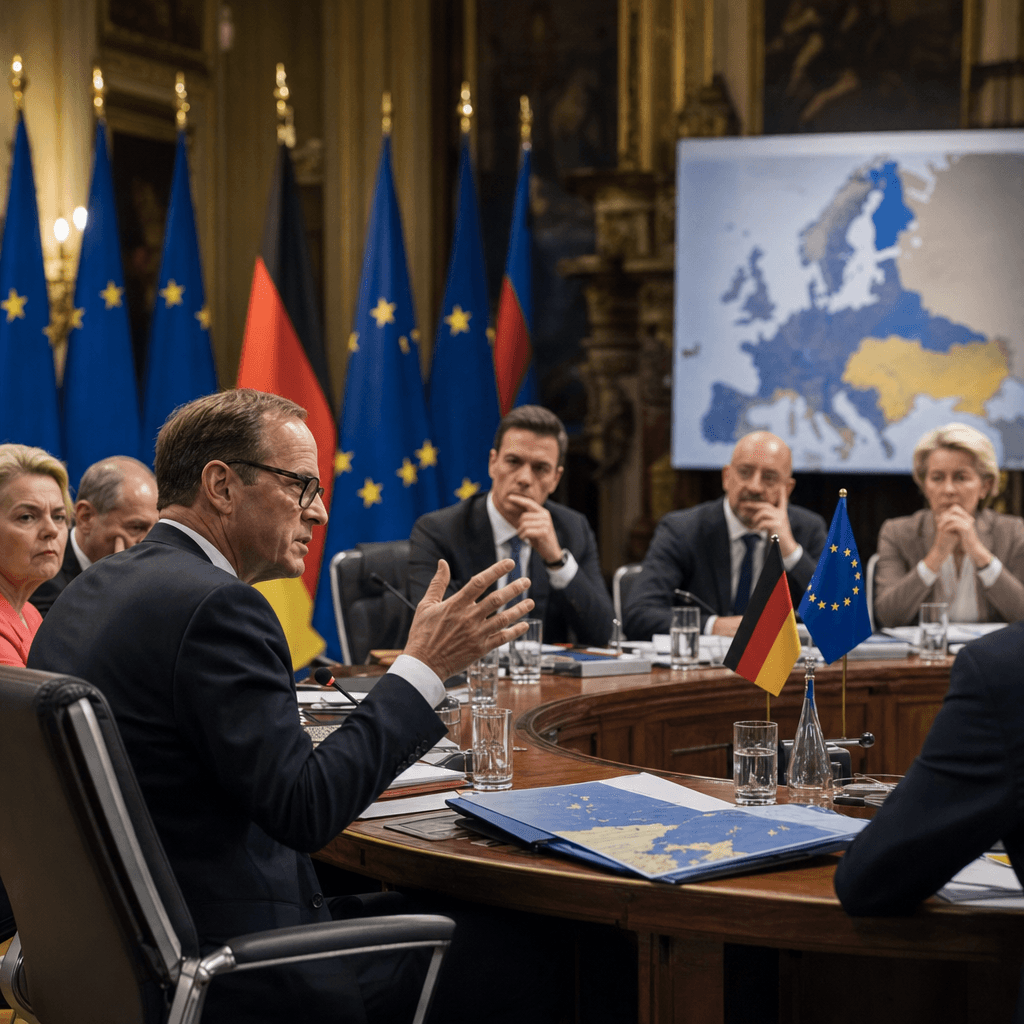
Germany Targets the EU’s Veto Trap
Wadephul’s call to scrap unanimity is a bid to make the EU faster on Ukraine and sanctions — and to cut Hungary’s blocking power before enlargement deepens the problem.
Germany is now pushing the central institutional fight in Brussels: whether the EU can keep acting like a club of sovereign vetoes, or has to move to majority voting in foreign policy. On May 6, Reuters reported Foreign Minister Johann Wadephul’s demand for a “fundamental” EU reform and an end to the veto right, arguing that sanctions and Ukraine support have shown the costs of unanimity. Reuters Spiegel likewise reported that Wadephul wants the EU to abandon unanimity in foreign and security policy and move to qualified majority voting.
DER SPIEGEL For Berlin, this is about leverage: a larger, more geopolitical EU only works if one capital cannot freeze decisions for everyone else. Germany is signalling that it wants the bloc to act like a power, not a conference room. See also
Global Politics.
Why this matters now
The immediate trigger is obvious: Hungary has repeatedly used its veto to slow or block EU decisions on Ukraine and Russia policy. Reuters and Spiegel both pointed to those recent fights as the practical case for reform. Reuters
DER SPIEGEL The bigger context is enlargement. POLITICO has reported that Brussels is already discussing ways to bring in new members without giving them full veto rights at the outset, precisely to avoid importing more blockage into the system.
POLITICO That tells you where the power is shifting: Germany and the Commission want a more flexible EU; Hungary wants to preserve the one-tool that gives small states outsized leverage; France and the Netherlands remain wary of any move that dilutes national control.
POLITICO
The catch: reform needs the rule it seeks to remove
This is also a political signal, not an imminent treaty fix. Ending unanimity in foreign policy would itself require broad agreement — and likely treaty changes — from the very governments that benefit from the current system. That is why Wadephul’s proposal matters less as a legal blueprint than as a declaration that Berlin is ready to spend political capital on institutional change. POLITICO has noted that even sympathetic governments see treaty reform as a heavy lift, while the Commission is exploring workarounds for enlargement and decision-making instead. POLITICO The near-term prize is not abolition of the veto; it is pressure. Germany is trying to make veto use politically costly before the next round of Ukraine financing, sanctions decisions, and enlargement talks.
What to watch next
Watch for two decision points: whether Berlin turns Wadephul’s line into a formal German position at the next EU ministerial meeting, and whether France signs up or slows the push. If those two capitals align, the debate moves from rhetoric to institutional bargaining. If they don’t, expect more talk of “core Europe” coalitions and more ad hoc workarounds rather than treaty change.
Discover more
India
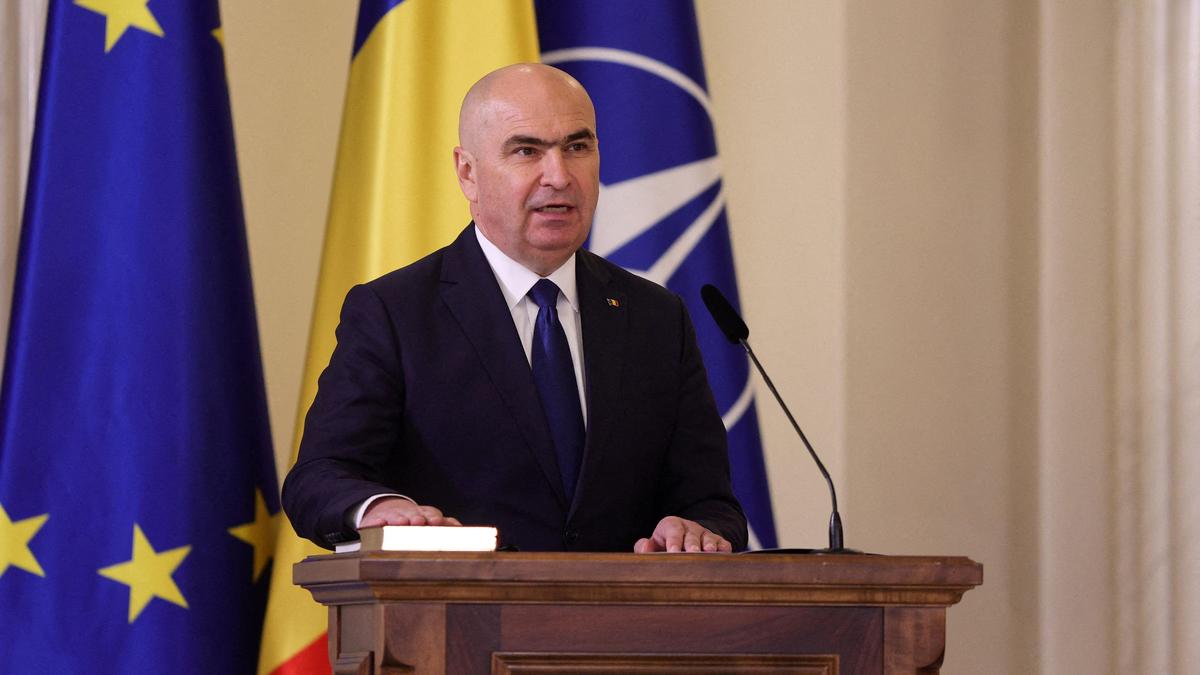
Romanian Coalition Party Demands PM Resign
Romania's Social Democrats withdrew from coalition, joining far-right AUR to topple PM Bolojan, risking €10 billion in EU funds by August 2026.

Conflict & Security
Drone Warfare Killing Aid Workers at Unprec
Over 1,000 humanitarian workers killed in three years as cheap armed drones collapse legal protections. Gaza, Sudan, Ukraine, and DRC see deliberate targeting of aid convoys and hospitals with zero prosecutions.
Global
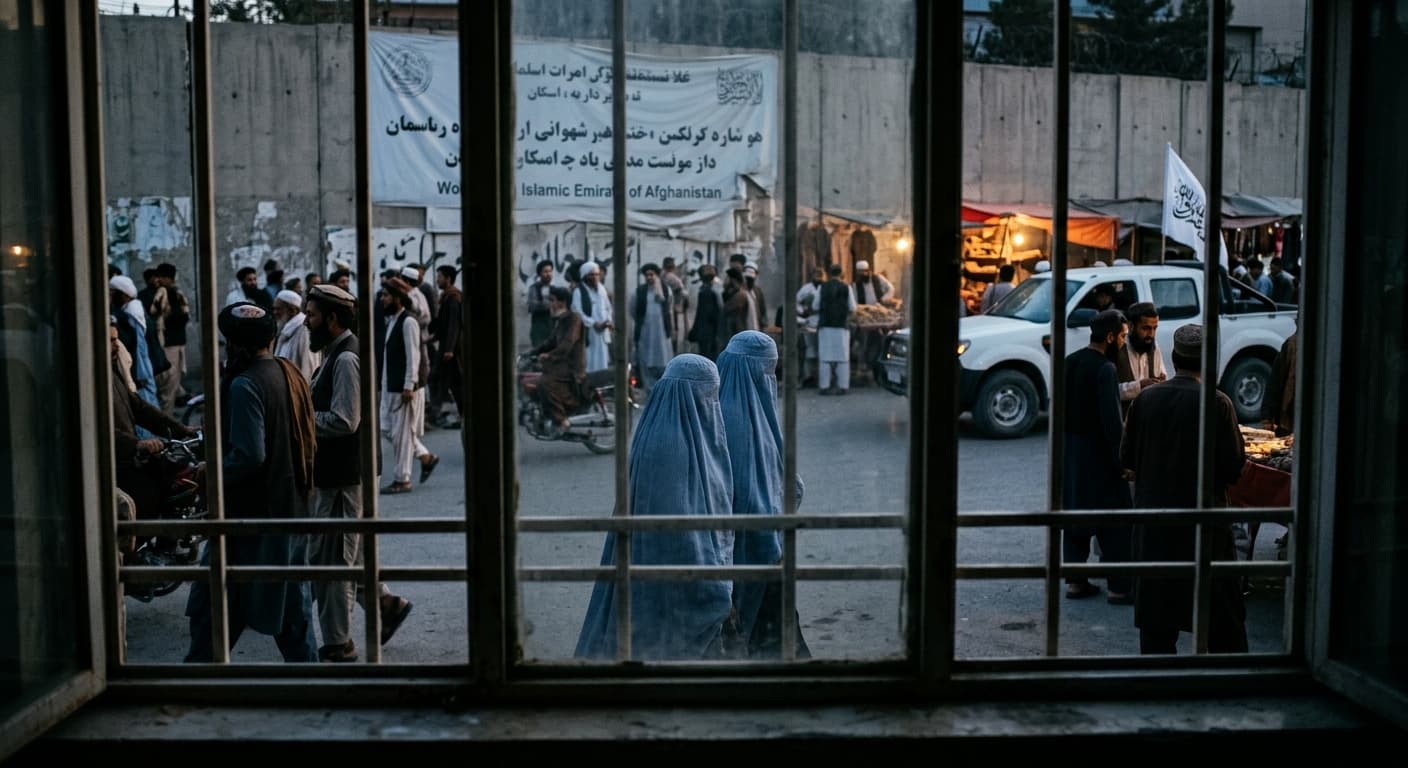
World Normalises Taliban as Afghan Women Eras
UN data shows Afghan women erased from public life as Russia recognises the Taliban, EU hosts officials in Brussels, and ICC warrants for gender persecution go unenforced.
Conflict & Security
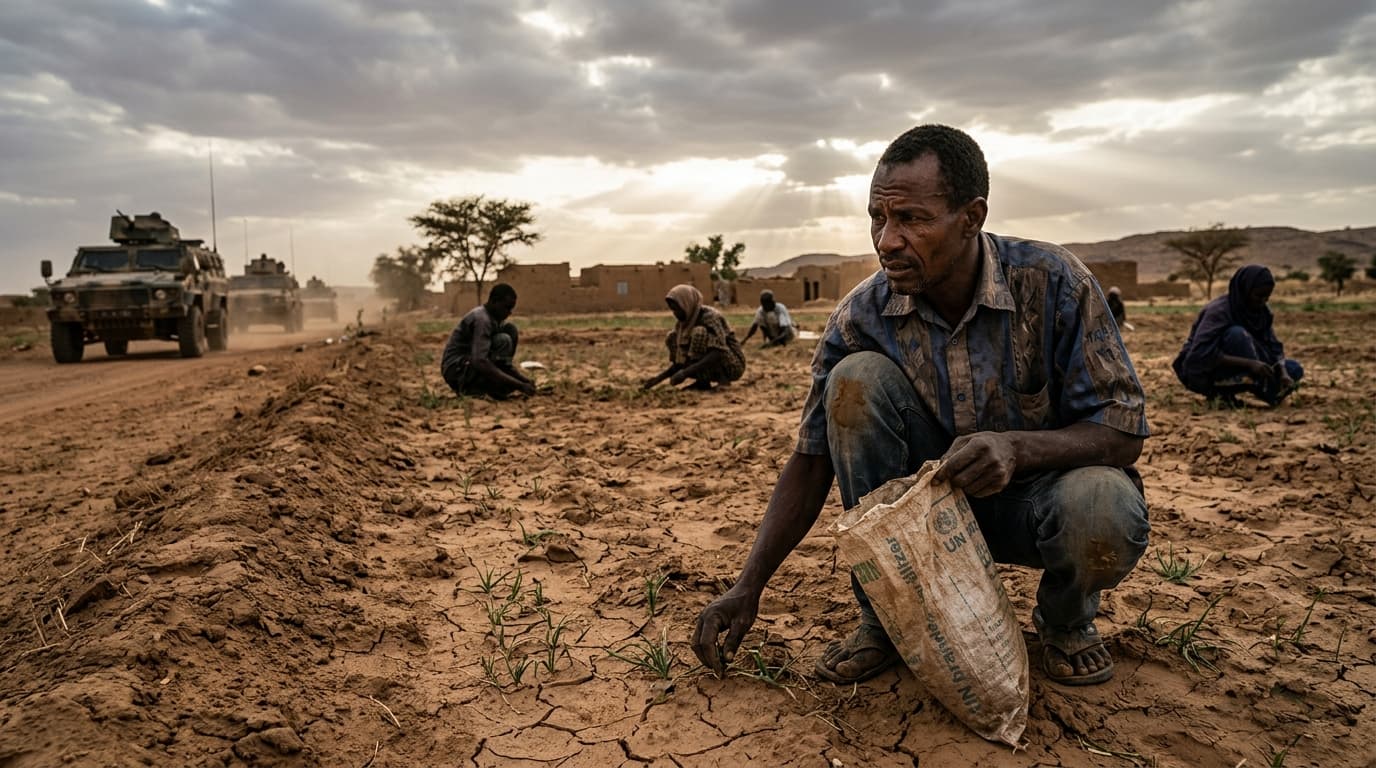
West Africa Food Crisis: Three Shocks in 2026
Conflict, climate extremes, and the Strait of Hormuz closure drive a severe food crisis in West and Central Africa, with fertilizer prices surging 80% and millions displaced.