Francesca Albanese: Law as Gaza's Leverage
UN rapporteur argues for the power of international law in Gaza.
Model Diplomat3 min readGlobal
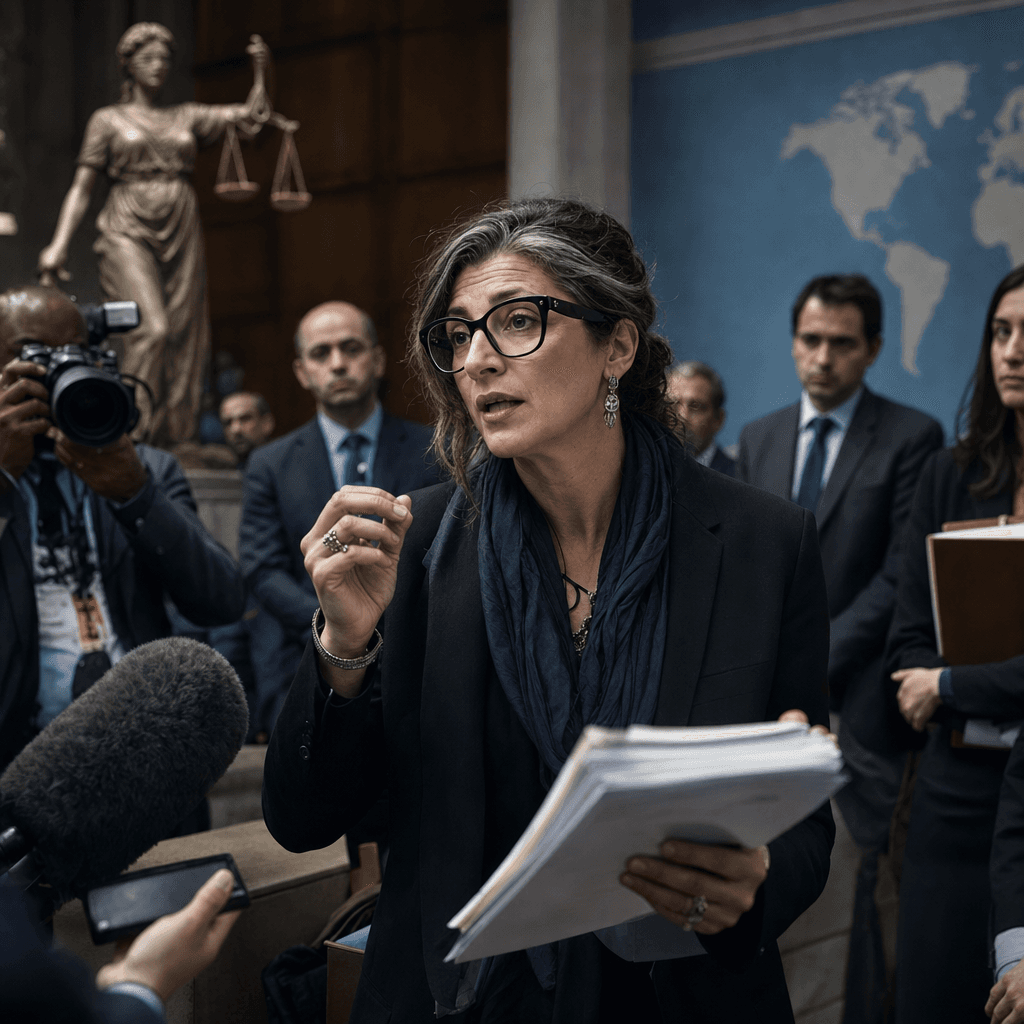
Francesca Albanese Bets on Law as Gaza’s Leverage
Sanctioned by Washington and attacked by European capitals, the UN rapporteur is arguing that international law still matters — if states and companies are forced to feel it.
Francesca Albanese is making a simple power claim: international law only works when someone is willing to impose costs. In a Reuters interview published Wednesday, the UN special rapporteur for the occupied Palestinian territories said she still believes law can shape behavior, even after the U.S. sanctioned her in July and Italy, France and Germany called for her resignation over her criticism of Israel’s war in Gaza (Reuters).
Why it matters
This is not just about one UN official. It is about who gets to define the enforcement of the Gaza war narrative. Washington and Jerusalem want Albanese cast as an extremist outlier, because her reports push the conflict out of the realm of diplomacy and into potential liability: genocide claims, corporate complicity, and calls for sanctions. Reuters reports that she says the U.S. sanctions have frozen assets, cut off university ties, and even affected her husband’s assignment at the World Bank; AP reported last year that the Trump administration said the sanctions followed her criticism of Israel and her calls to target firms she says are complicit (AP News).
That matters because sanctions are doing two jobs at once. First, they punish Albanese personally. Second, they signal to other UN officials, lawyers and academics what happens when they move from moral language to legal accusation. That is why the backlash from European governments is so important: it shows that even states sympathetic to multilateralism are reluctant to spend political capital defending a rapporteur who has become synonymous with the Gaza genocide argument. On Global Politics, this is the core contest: not over facts alone, but over who pays the price for naming them.
The real fight is over enforcement
Albanese’s counterargument is sharper than her critics want to admit. Reuters says she frames international law as a tool, not a magic wand: it works, she argues, when citizens sue, businesses are taken to court, and people strike or boycott in the name of stopping atrocities (Reuters). That is the strategic pivot. She is not relying on governments to suddenly grow more principled; she is trying to build pressure from below and sideways, through litigation and reputational risk.
AP’s reporting shows why this approach has teeth. Albanese has published reports targeting what she calls Israel’s “genocidal economy,” naming corporate actors and urging sanctions and prosecution of “architects, executors and profiteers” (AP News). In other words, the target is not only Israeli policy, but the commercial ecosystem that sustains it. That broadens the battlefield from the UN Human Rights Council to boardrooms, university partnerships and banking systems.
What to watch next
The next pressure point is whether more governments follow the U.S. line and harden their stance against Albanese, or whether her book and reports deepen the legal campaign against companies tied to Gaza and the settlements. Al Jazeera has already reported that UN human rights officials are worried about the broader pattern: personal attacks, threats and misinformation are now being used to discredit independent experts before their findings can land (Al Jazeera).
That is the real stakes game. If the sanctions isolate Albanese, the message is deterrence. If her arguments continue to feed lawsuits, divestment campaigns and state scrutiny, then the leverage shifts back toward the legal front she says has been dormant for too long.
Discover more
India
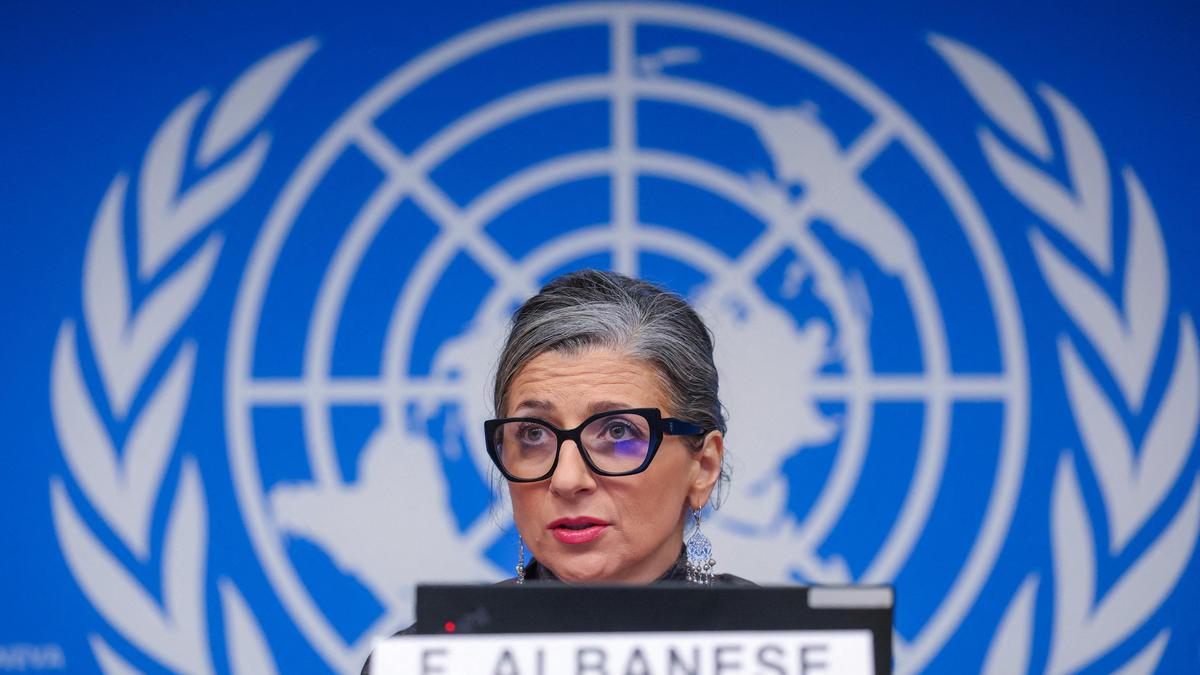
UN Expert Albanese: India Violates Law
UN Rapporteur Francesca Albanese accuses India of breaching international law, spotlighting human rights concerns in Kashmir and prompting diplomatic pushback.

Conflict & Security
Drone Warfare Killing Aid Workers at Unprec
Over 1,000 humanitarian workers killed in three years as cheap armed drones collapse legal protections. Gaza, Sudan, Ukraine, and DRC see deliberate targeting of aid convoys and hospitals with zero prosecutions.
Global
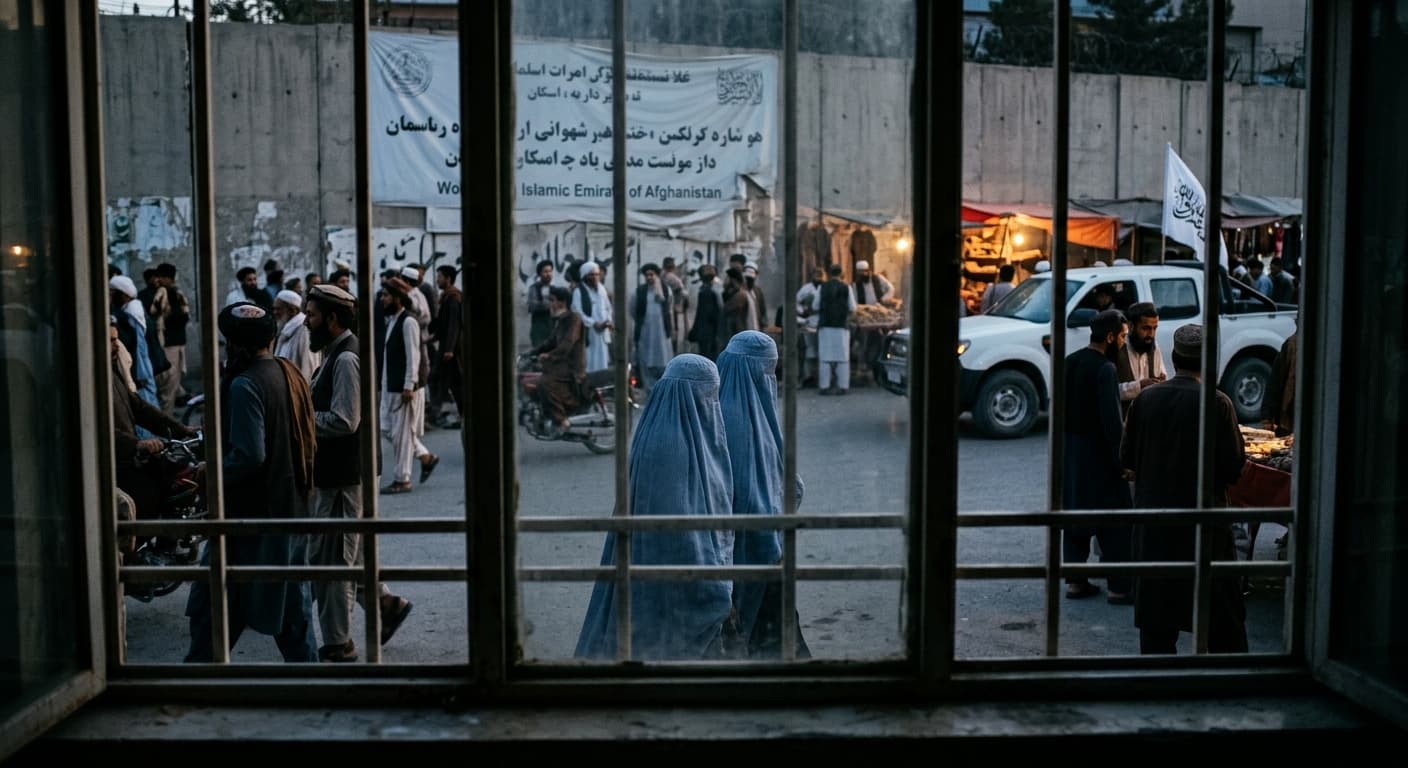
World Normalises Taliban as Afghan Women Eras
UN data shows Afghan women erased from public life as Russia recognises the Taliban, EU hosts officials in Brussels, and ICC warrants for gender persecution go unenforced.
Conflict & Security
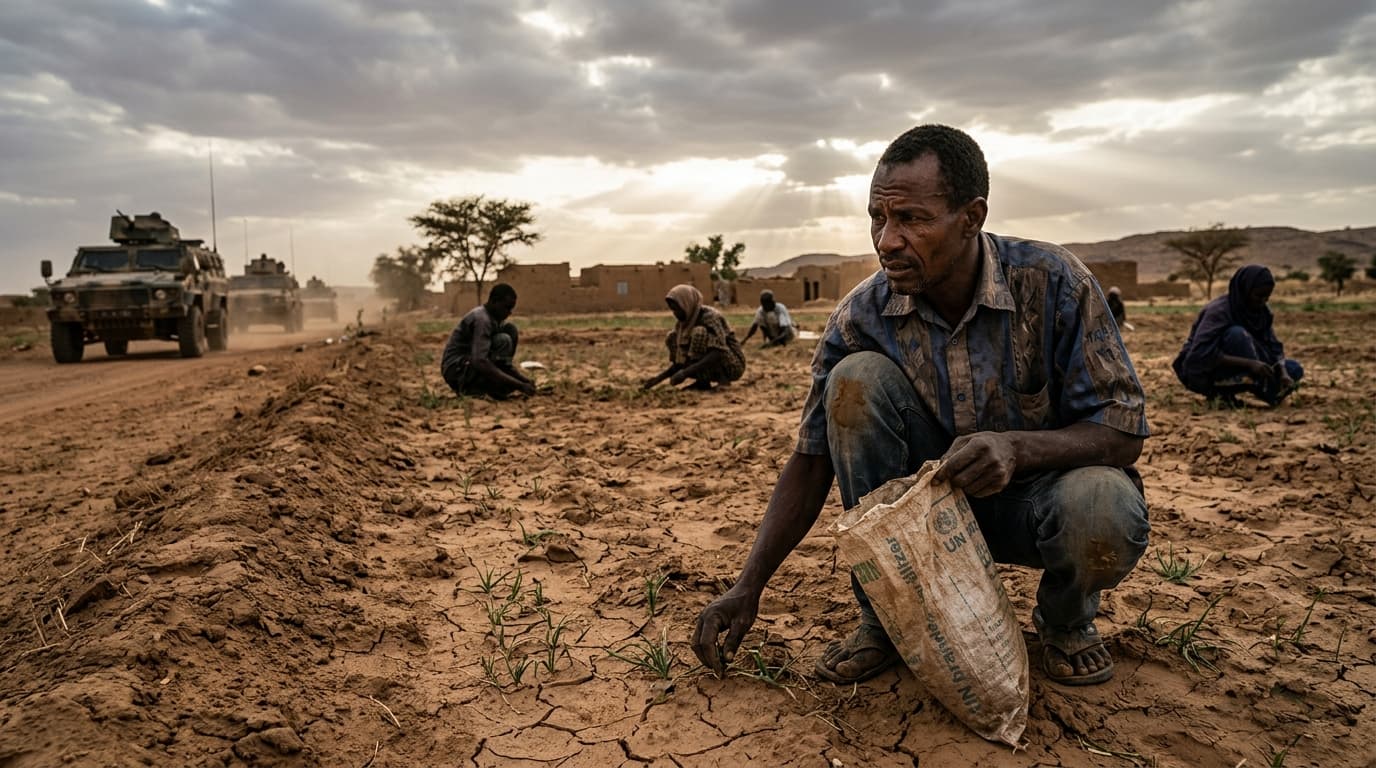
West Africa Food Crisis: Three Shocks in 2026
Conflict, climate extremes, and the Strait of Hormuz closure drive a severe food crisis in West and Central Africa, with fertilizer prices surging 80% and millions displaced.