Eritrea’s Proxy Game Threatens Ethiopia
A covert alliance risks a return to civil war in Ethiopia.
Model Diplomat2 min readHorn of Africa

Eritrea’s Proxy Game Pushes Ethiopia Back to the Brink
A joint warning by Ethiopian and Tigrayan negotiators reveals how a covert alliance, backed by Asmara, threatens to collapse the 2022 Pretoria Agreement.
An extraordinary joint warning by Ethiopia's National Security Adviser Redwan Hussein and Tigray’s former interim president Getachew Reda signals that the Horn of Africa is teetering on the edge of a major relitigation of the 2020–2022 civil war. Writing in Al Jazeera, the two key architects of the 2022 Pretoria Agreement warned that a hardline faction of the Tigray People’s Liberation Front (TPLF)—backed actively by Eritrea—is preparing a fresh offensive against the federal government. This public alarm follows the TPLF’s decision to dismantle the regional interim administration and restore its own pre-war assembly, which effectively annuls the Pretoria peace architecture.
At its core, this breakdown is a direct result of a fragmented regional landscape where local survival strategies have intersected with broader geopolitical rivalries in global politics. Following the 2022 peace agreement, the TPLF fractured into two bitter camps: a moderate wing led by Getachew Reda, who aligned with Addis Ababa, and a hardline faction under Debretsion Gebremichael, which seized control of the regional assembly. Sidelined and starving for resources, Debretsion’s faction has found an improbable patron in Eritrean President Isaias Afwerki. Although Asmara fought alongside Prime Minister Abiy Ahmed against Tigray during the civil war, the relationship between Addis Ababa and Asmara has since turned hostile, driven largely by Abiy's aggressive pursuit of Red Sea port access.
To counter Abiy’s regional ambitions, Eritrea is cultivating domestic proxies inside Ethiopia to keep the federal government weak and internally focused. Hussein and Reda detailed the emergence of Tsimdo, an Eritrean-brokered alliance connecting disgruntled TPLF hardliners with the Fano, an Amhara ethnic militia currently fighting federal forces. According to the BBC, the Ethiopian government had already accused Eritrea of smuggling ammunition to armed groups in the Amhara region and cultivating "hardliners within the TPLF" to wage a proxy campaign. This alignment represents a dramatic reconfiguration of the Horn's security architecture, demonstrating how Eritrea has successfully weaponized Ethiopia's internal ethnic fractures to encircle Abiy’s administration.
The immediate flashpoint to watch is the run-up to Ethiopia’s scheduled nationwide elections, where the fragile domestic balance will face its ultimate test. Security analysts at Chatham House warn that any military miscalculation in northern Ethiopia could quickly trigger a wider, multi-front war involving Eritrea and potentially spilling over into neighboring Sudan. The critical indicator of an outbreak of hostilities will be renewed troop movements in disputed western Tigray, an area contested by Tigrayan forces and Amhara militias. If the federal government fails to de-escalate tensions or secure international diplomatic intervention to restrain Asmara, the Pretoria Agreement will officially become a dead letter, plunging the region back into a highly regionalized, devastating
conflict.
Discover more
Global Politics
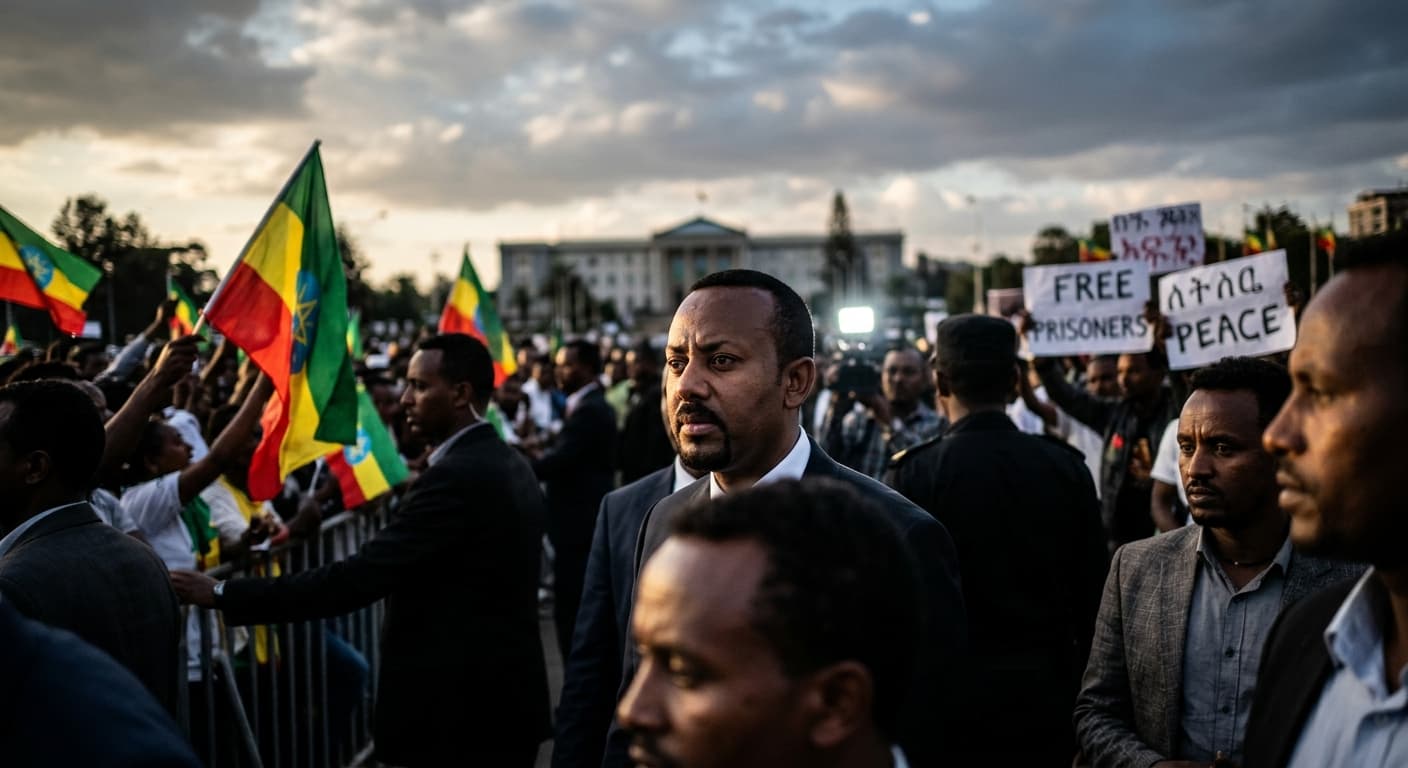
Abiy's Landslide Masks Ethiopia's Fractures
Abiy Ahmed's landslide reelection conceals deepening fractures across Ethiopia's political landscape, where Tigray tensions and conflict still simmer.

Global Politics
Ethiopia's Fractured Vote: Abiy's Landslide
Ethiopia's June 1 election, marred by exclusion and conflict in Tigray, all but hands Abiy Ahmed a landslide as opposition and disputed regions are shut out.
Global Politics
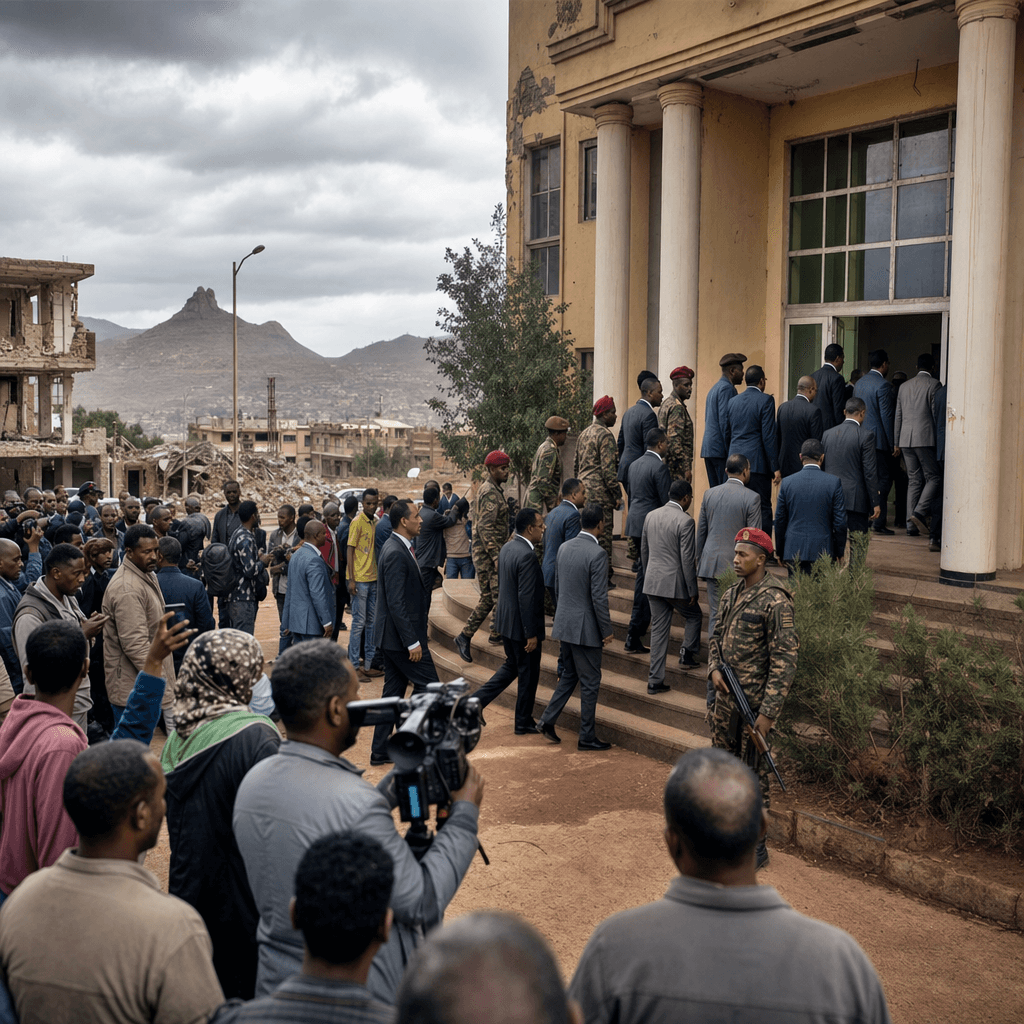
Tigray's Government Revival Threatens Peace
The TPLF's resurgence in Tigray threatens the fragile peace in Ethiopia, raising fears of renewed conflict as tensions escalate.

Conflict & Security
Sudan Recalls Envoy Amid Ethiopian Drone Accu
Sudan recalls its ambassador to Ethiopia over drone-strike accusations, escalating diplomatic friction and regional tensions across a volatile border.