DHS Faces Unfunded Crisis
DHS funding standoff threatens TSA workers' paychecks by May 8.
Model Diplomat3 min readNorth America
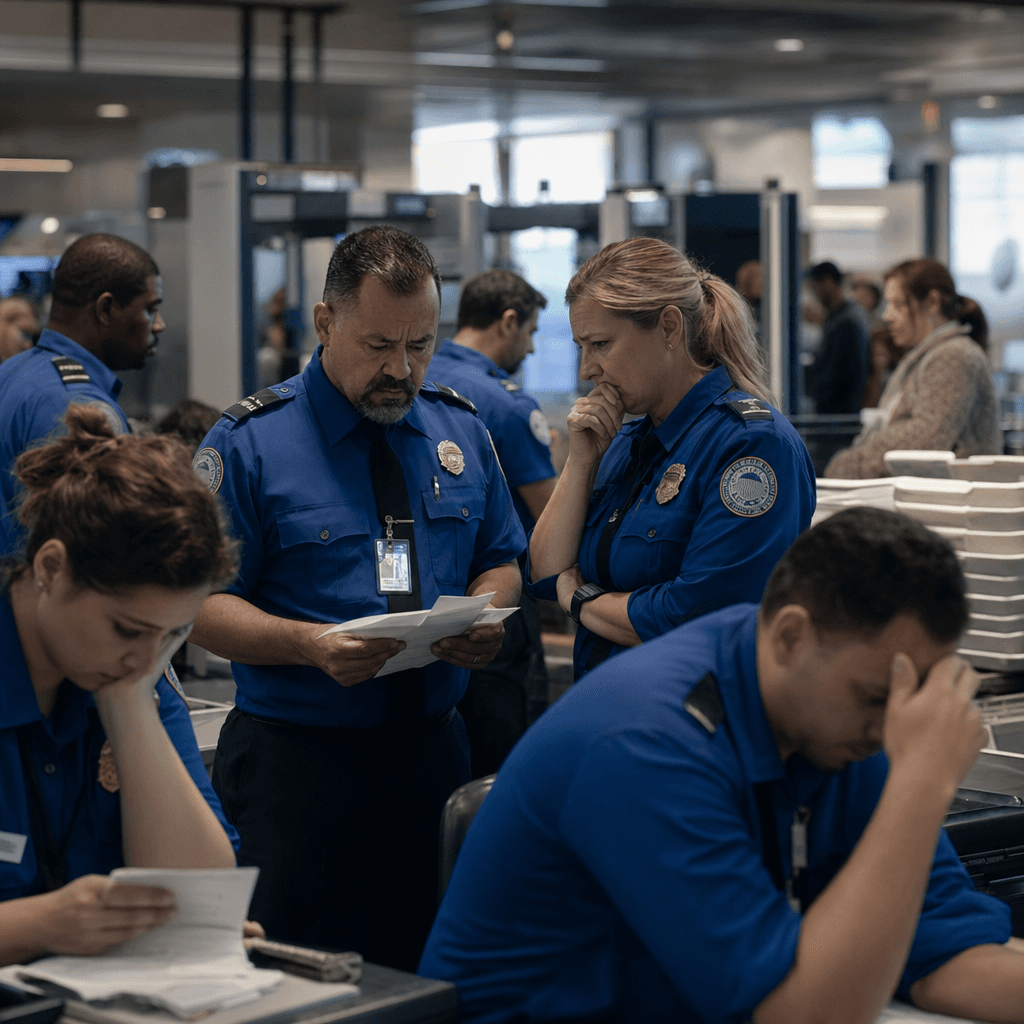
DHS Is Eight Weeks Unfunded — and Running Out of Emergency Cash
With ~$1.4B left in reserve and a $1.6B biweekly payroll, TSA workers could miss paychecks by May 8. The House still hasn't voted.
The Department of Homeland Security has not received a full appropriation in more than eight weeks — making this the longest partial government shutdown in U.S. history. As of April 19, DHS had roughly $1.4 billion remaining in its emergency fund against a payroll burn rate of $1.6 billion every two weeks, according to CNN's reporting. The math is simple: without a House vote, TSA workers and tens of thousands of the department's 260,000 employees could miss their next paycheck around May 8.
The Blockage Is Inside the Republican Conference
The Senate has already passed a DHS funding bill. The problem is the House — specifically the Freedom Caucus, which has blocked Speaker Mike Johnson from bringing the Senate measure to the floor because it does not include dedicated funding for ICE and Border Patrol. Johnson's response has been a two-track strategy: pass a partial reopening bill now, pursue a broader immigration-enforcement package later. A faction of House Republicans has rejected even that, viewing it as a capitulation.
President Trump signed a memorandum directing DHS to pay workers using reallocated funds, buying time — but that emergency pool is nearly exhausted. The political irony is glaring: the party most vocal about border enforcement is now starving the agencies that enforce it.
Johnson is now reportedly scrapping the current DHS funding bill entirely in favor of a rewritten version, per the Washington Post, which would further delay resolution and deepen the shutdown.
Who Loses, and Who Holds the Cards
TSA workers, CBP officers, FEMA staff, and Coast Guard personnel are the immediate losers — essential workers operating without guaranteed pay. Airport operations face disruption risk if TSA staffing degrades.
Senate Republicans are increasingly frustrated. Sen. Kevin Cramer (R-ND) publicly called on House GOP to "behave like adults" — a sign the upper chamber views the House's maneuvering as reckless rather than principled, per CNN.
The Freedom Caucus holds the effective veto here. Its leverage is structural: Johnson cannot pass a clean DHS bill through regular order without Democratic votes, a move that would trigger a leadership challenge. Democrats, for their part, have withheld support for any DHS bill that funds immigration enforcement, giving the caucus no off-ramp through bipartisanship.
One potential workaround — folding DHS funding into the budget reconciliation package — is under consideration but carries procedural risks and timeline problems, given reconciliation's constraints on non-budgetary provisions.
For deeper context on the US political forces driving the standoff, the paralysis reflects a broader pattern: a slim House majority that cannot self-govern on appropriations without either alienating its right flank or crossing the aisle.
What to Watch Next
May 8 is the hard deadline. That's when the next DHS payroll cycle hits and the emergency fund is projected to be empty. If no vote occurs before then, expect service disruptions at major airports and renewed pressure from the TSA union — which has already signaled employee unrest. Watch whether Johnson brings a rewritten bill to the floor before the week of April 28 ends, and whether Trump escalates pressure on the Freedom Caucus directly or accepts the political cost of an international embarrassment of TSA lines halting at U.S. airports.
Discover more

US Politics
SNAP Food Assistance Faces Legal Challenges
In 2026, SNAP faces stricter eligibility rules and mounting legal challenges, threatening food assistance for the millions of Americans who rely on the program.

Conflict & Security
Drone Warfare Killing Aid Workers at Unprec
Over 1,000 humanitarian workers killed in three years as cheap armed drones collapse legal protections. Gaza, Sudan, Ukraine, and DRC see deliberate targeting of aid convoys and hospitals with zero prosecutions.
Global
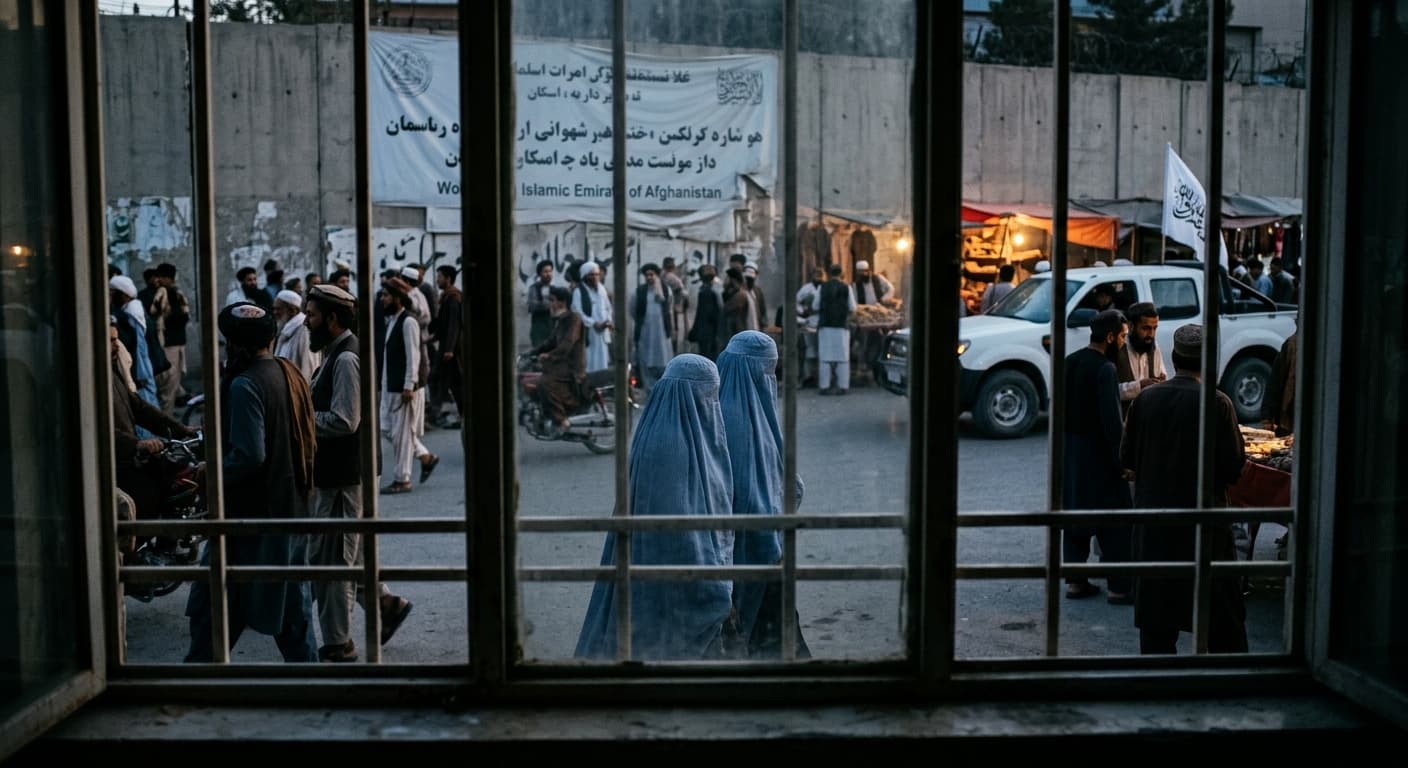
World Normalises Taliban as Afghan Women Eras
UN data shows Afghan women erased from public life as Russia recognises the Taliban, EU hosts officials in Brussels, and ICC warrants for gender persecution go unenforced.
Conflict & Security
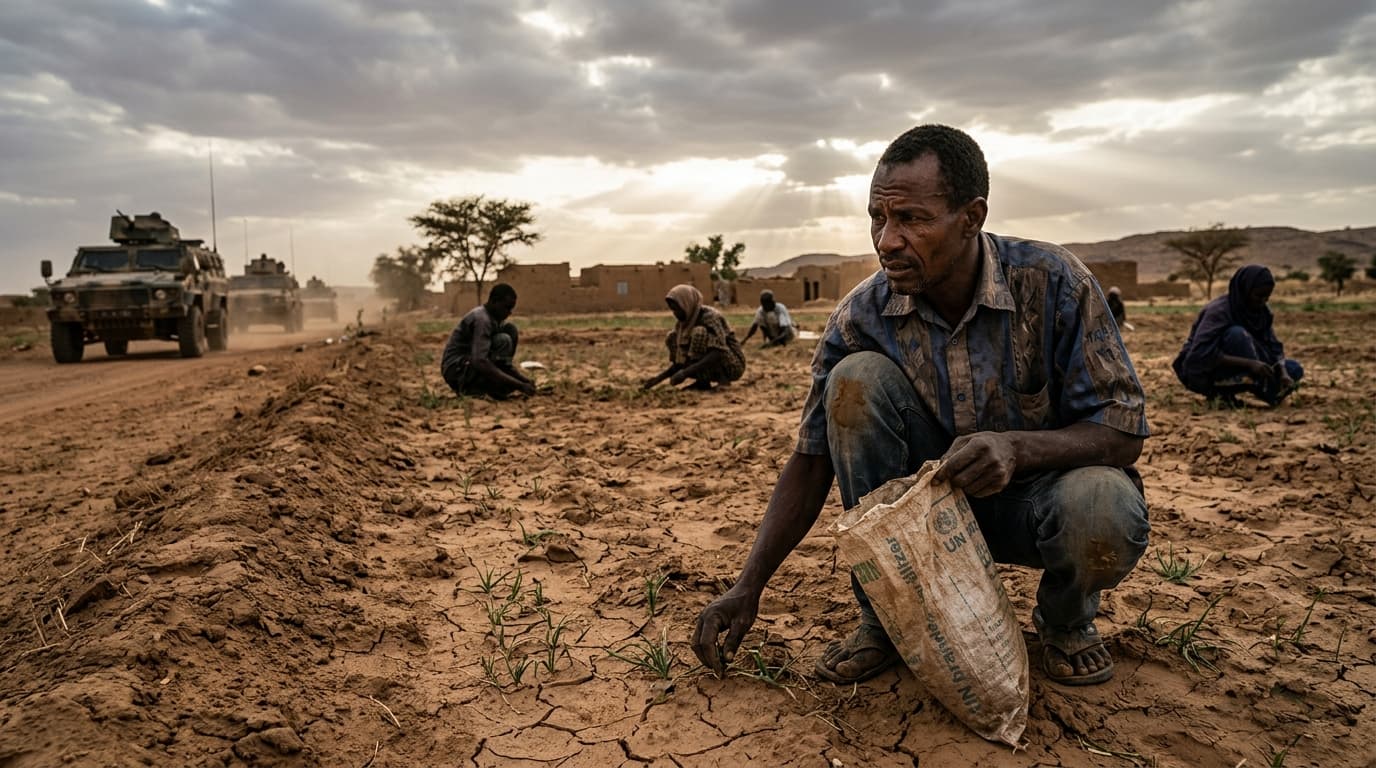
West Africa Food Crisis: Three Shocks in 2026
Conflict, climate extremes, and the Strait of Hormuz closure drive a severe food crisis in West and Central Africa, with fertilizer prices surging 80% and millions displaced.