Delhi Court Targets Sanjay Bhandari's Assets
Asset confiscation shifts focus from extradition to wealth recovery.
Model Diplomat2 min readAsia
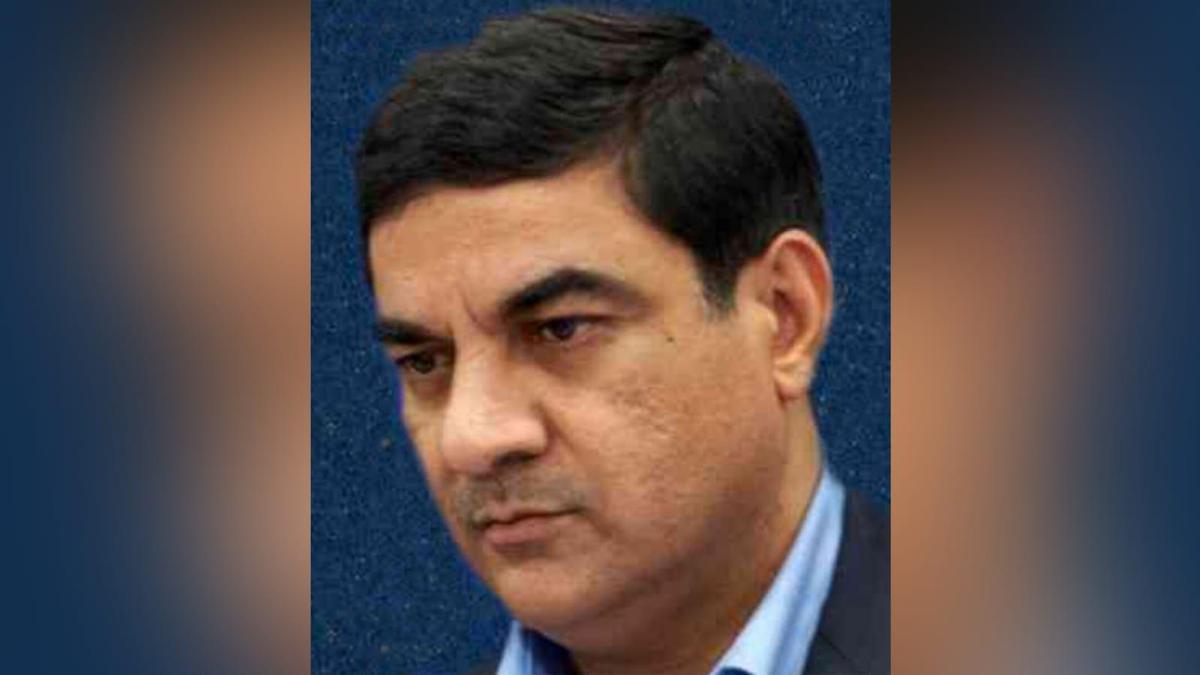
Delhi Court Tightens the Net on Sanjay Bhandari
Asset confiscation shifts the fight from extradition to money: India may not have Bhandari, but it can still squeeze the offshore wealth that allegedly financed his network.
The Delhi court’s decision to allow confiscation of assets linked to fugitive arms dealer Sanjay Bhandari is the state’s fallback leverage when extradition stalls. Bhandari, a U.K.-based defence consultant, was declared a fugitive economic offender in July 2025 under the Fugitive Economic Offenders Act, a move that specifically enables confiscation of assets if the accused does not return to face trial. The Hindu
Why this matters
This is not just about one businessman. It is about how Indian investigators deal with high-value defendants who sit outside India’s reach. The Enforcement Directorate’s case against Bhandari dates to 2017 and is rooted in alleged tax evasion and money laundering under the Black Money law and the Prevention of Money Laundering Act. In practical terms, the court’s confiscation order lets the government target the asset base even after the British courts blocked extradition on human-rights grounds. The Hindu,
The Hindu
That matters because the U.K. ruling left India with less custody leverage but not zero leverage. In February 2025, the London High Court allowed Bhandari’s appeal and said he would face a “real risk” of extortion and violence in Tihar Jail; in April, it refused India permission to appeal further. The result is a familiar split-screen: India can argue criminal guilt at home, but it cannot easily force the accused back from abroad. The Hindu,
The Hindu
For Delhi, confiscation is the more usable tool. It can hit foreign-held or concealed wealth, deter enablers, and signal to other absconders that offshore residence is not immunity. For Bhandari, it raises the cost of staying put in the U.K. while fighting a case in India. For the wider Indian political class, it is useful because his name has already surfaced in other sensitive probes, including the ED’s case involving Robert Vadra. The Hindu
What to watch next
The next inflection point is whether the ED moves from permission to actual seizure: attachment, valuation, and confiscation proceedings against specific properties and financial interests. Also watch any fresh litigation in the U.K.; if India seeks another appellate route, the legal fight will stay international. For policymakers tracking the broader pattern, this sits squarely in India’s campaign to use financial enforcement as a substitute for failed extradition.
Discover more

India
India-South Korea $50B Trade Expansion Plan
India and South Korea target $50 billion in trade, enhancing economic cooperation amid shifting global dynamics.

India
UN Expert Albanese: India Violates Law
UN Rapporteur Francesca Albanese claims India is breaching international law, raising human rights issues in Kashmir and beyond.

Conflict & Security
Kyauktaw Airstrike: Junta Tactics in Rakhine
Myanmar military airstrike in Kyauktaw kills at least seven civilians, reflecting a desperate strategy against ethnic opposition.
India
Wang Yi's Delhi Trip Signals China's Play
Wang Yi's visit to India highlights China's strategic positioning in BRICS.