China's Call for Iran Ceasefire
Beijing seeks stability in the Strait of Hormuz amid conflict.
Model Diplomat2 min readAsia
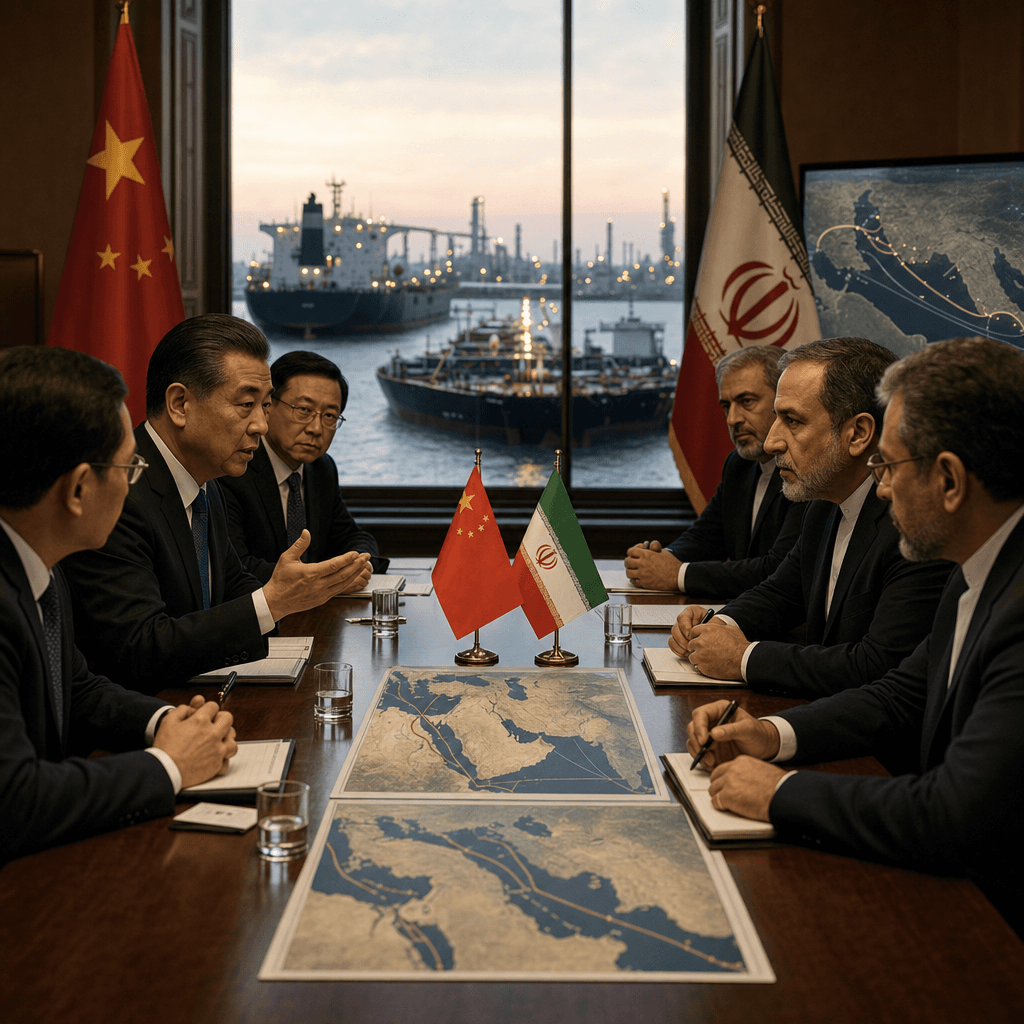
China pushes Iran ceasefire to protect its own leverage
Beijing is calling for a “complete” end to the Iran war because it wants the Strait of Hormuz reopened, oil flows stabilized, and a seat at the diplomatic table.
China’s foreign ministry is not just condemning the fighting; it is trying to define the endgame. In Beijing, foreign ministry spokesman Guo Jiakun said only a “comprehensive ceasefire” can restore safe navigation, while Foreign Minister Wang Yi has been pressing Iran’s Abbas Araghchi in Beijing to reopen the Strait of Hormuz “as soon as possible.” Al Jazeera
BBC News
China’s leverage is economic, not military
Beijing’s real stake is energy security. China imported 1.38 million barrels a day from Iran in 2025, about 12% of its crude imports, and more than half of China’s oil still comes from the Middle East. That gives China an immediate interest in de-escalation, but not the power to force it. BBC News
Foreign Affairs
That is why China’s line is so consistent: ceasefire first, diplomacy second, and no direct military role. Beijing tried a similar posture in March and April, urging all parties to halt strikes, protect maritime routes, and resume talks with Western counterparts. Reuters
Reuters
The beneficiary is China’s diplomatic brand
This is about more than oil. Beijing wants to present itself as the power that can talk to Tehran while also talking to Europe and the Gulf. That posture helped it broker the Saudi-Iran détente in 2023, and it is trying to recycle that model now: neutral broker, anti-escalation actor, and alternative to Washington. BBC News
For Iran, China’s pressure is useful but limited. Beijing can provide political cover and trade, but it is not signaling any willingness to fight on Tehran’s behalf. For the US, that means China’s public diplomacy is a constraint on Washington’s narrative, but not a substitute for hard leverage on the battlefield. Foreign Affairs
Reuters
What to watch next
The next pressure point is whether Beijing can get Tehran to ease the Strait crisis without triggering fresh US sanctions on Chinese buyers and refiners. Washington already sanctioned a Chinese “teapot” refinery in April for buying Iranian crude, showing the economic fight can spill directly into China’s industrial sector. Al Jazeera
Watch the next round of China-Iran talks, and any US move on shipping or sanctions. If the strait stays unstable, China’s peace language will harden into a campaign to protect its own energy corridor first.
Discover more

International Relations
Pakistan's Key Role in US-Israel-Iran Meddle
Pakistan seeks to mediate in the US-Israel-Iran conflict, balancing diplomacy and economic pressures while facing significant challenges.
Global Politics
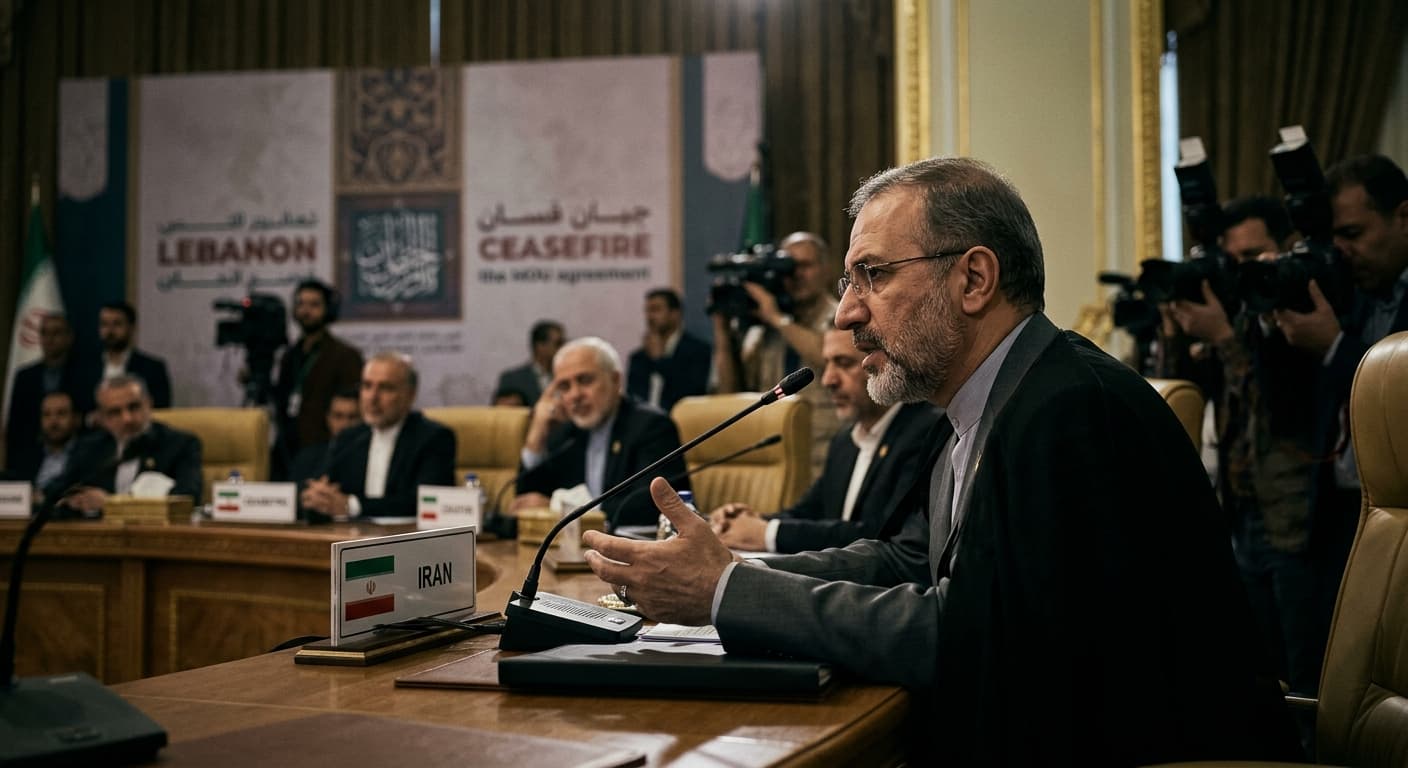
Iran Demands US Enforce Ceasefire
Iran insists the US must enforce a ceasefire in Lebanon to uphold the MoU.
India
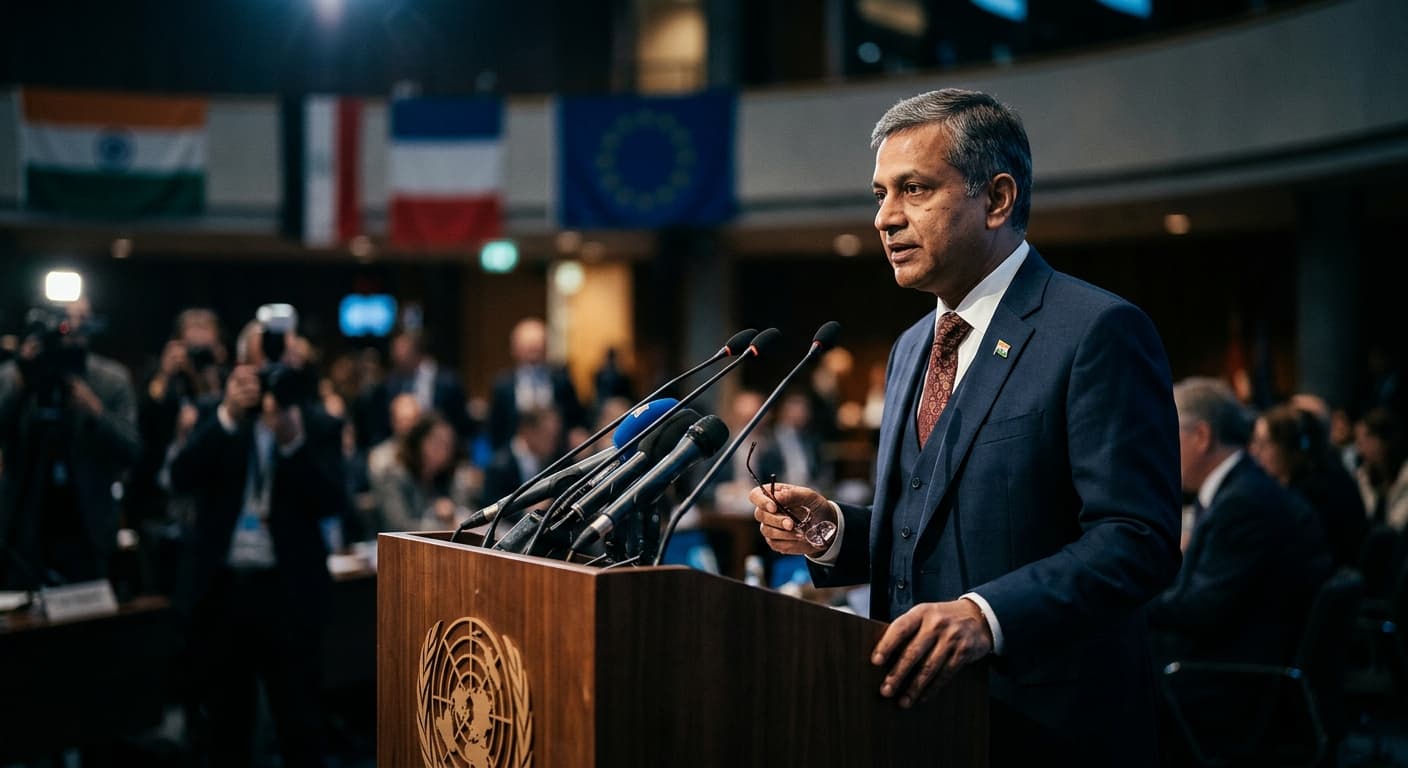
India Takes Vice-Presidency at FATF
India's Vivek Aggarwal becomes FATF vice president, paving the way for future leadership.
Global Politics
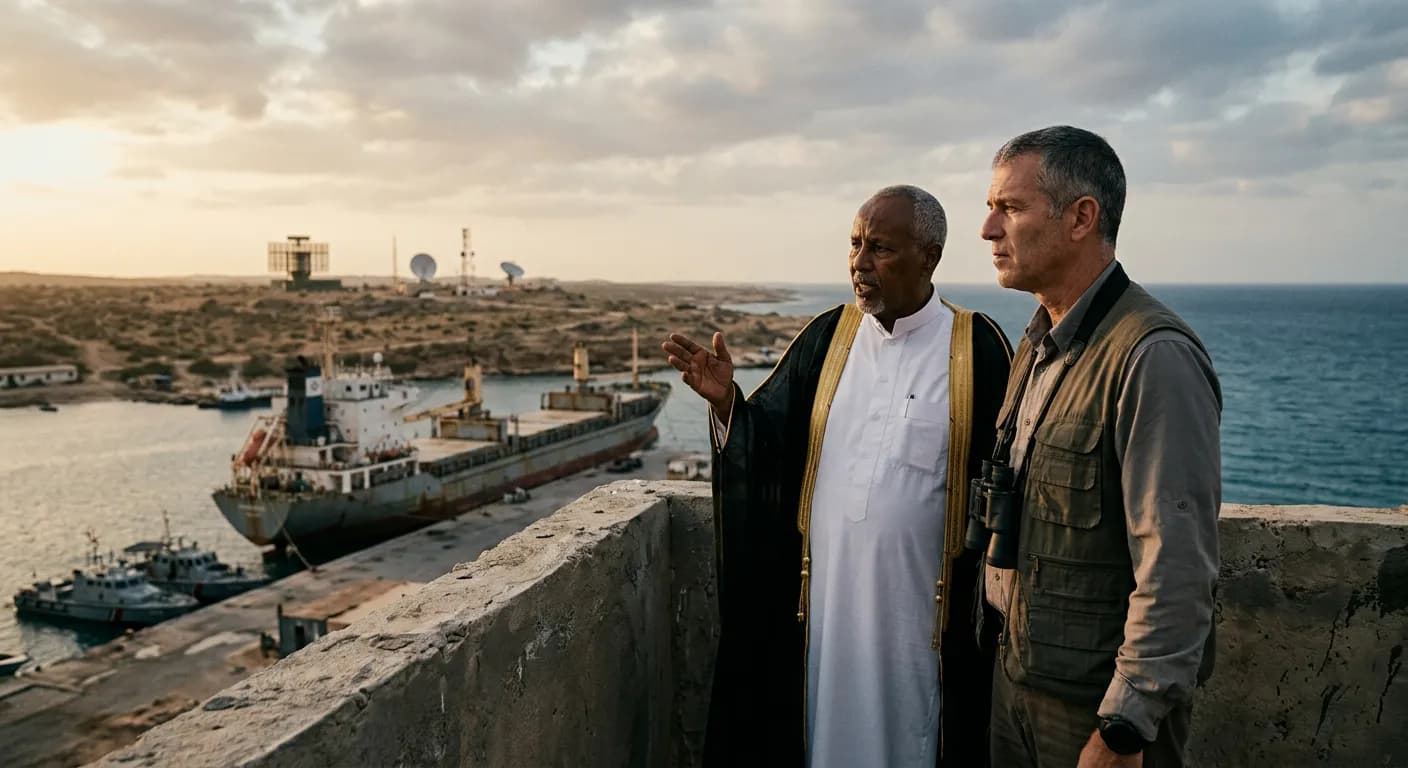
Israel's Red Sea Gambit: Why Somaliland
Israel's partnership with Somaliland aims to counter Houthi threats and enhance Red Sea influence.