BJP's Jhalmuri Symbolizes Bengal Victory
Modi’s snack stop becomes a symbol of BJP's Bengal campaign.
Model Diplomat3 min readAsia
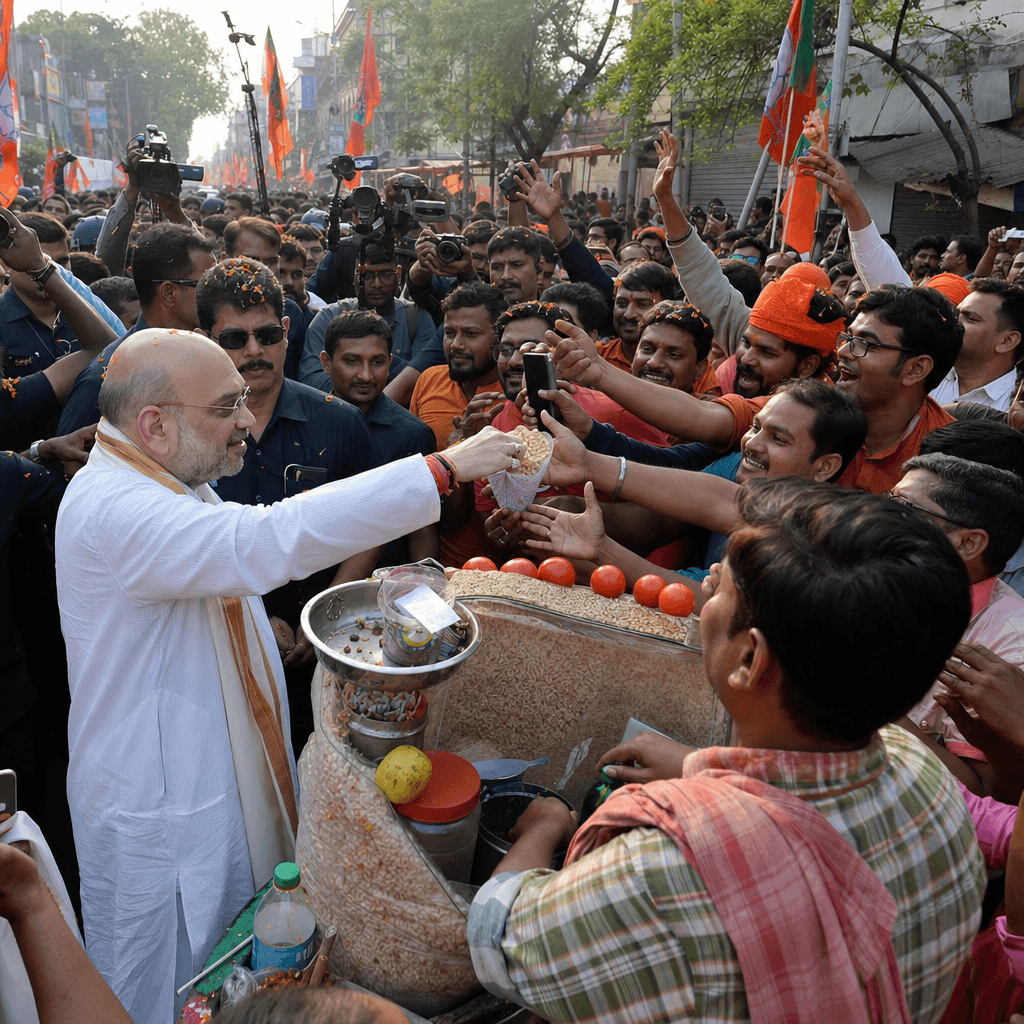
BJP Turns Bengal’s Jhalmuri Moment Into Victory Theater
Modi’s viral snack stop has become campaign shorthand for the BJP’s Bengal win, and the party is using it to seal a local claim to power.
The power move is not the snack itself. It is the BJP’s decision to turn Narendra Modi’s Jhargram jhalmuri stop into a swearing-in symbol, with NDTV reporting that jhalmuri is being folded into celebrations for the party’s May 9 oath ceremony at Kolkata’s Brigade Parade Ground, after Modi’s viral “grassroots” message and his line that he ate the snack while Trinamool felt the “jhal” or sting (NDTV;
NDTV). That is the BJP’s message in one image: the party that used to be an outsider in Bengal is now trying to present itself as fluent in the state’s street culture.
Why jhalmuri became political currency
Jhalmuri works because it looks ordinary. NDTV describes it as a cheap, everyday snack that crosses class lines and appears at stations, markets, campuses, and rallies — exactly the kind of symbol a national party can use to claim proximity to ordinary voters (NDTV). That matters in Bengal because the BJP is not just celebrating a win; it is trying to normalize a historic reversal.
The scale of that reversal is clear from the count. The Hindu reported that the BJP swept West Bengal, winning 206 seats to Trinamool’s 80, while the BJP’s vote share rose to 45.84% and Trinamool’s fell to 40.8% (The Hindu). It was also the first time the BJP had ever formed a government in the state, which is why the party is leaning so hard on symbols that say “we belong here” rather than “we have arrived.”
For readers tracking the broader state politics, this is the kind of messaging that shapes India far beyond a single election: the BJP is using culture, not just numbers, to consolidate a new political order.
Who benefits — and who loses
The clear beneficiary is Modi. The jhalmuri clip lets him project access, informality, and local taste while keeping the campaign centered on his personal brand. It also helps the BJP convert a viral moment into proof of emotional resonance, not just electoral machinery. Hindustan Times noted that the “jhalmuri effect” was already being discussed in Jhargram, where the PM ate the snack during campaigning and the BJP later led in a constituency long seen as a Trinamool stronghold (Hindustan Times).
The loser is Mamata Banerjee, twice over. First, she dismissed the stop as “drama,” according to The Hindu; now the BJP is repackaging that very episode as victory theater (The Hindu). Second, Trinamool has been pushed into reacting to the BJP’s cultural frame instead of setting its own.
What to watch next
The next test is May 9: whether the oath ceremony uses jhalmuri as a one-off gimmick or as the opening image of BJP rule in Bengal. If the party keeps pairing local symbolism with governance promises, it will be trying to do in West Bengal what it has done elsewhere: turn cultural familiarity into political legitimacy. If it overplays the performance, Trinamool will have an opening to argue that the BJP can buy snacks in Bengal but still governs from Delhi.
Discover more
India
Modi's Women’s Convention in Varanasi
PM Modi's upcoming women’s convention in Varanasi aims to boost support ahead of West Bengal elections, highlighting women's empowerment initiatives.
India
BJP's Misunderstanding of Women's Quota Needs
The BJP's linkage of the Women Reservation Bill to delimitation risks delaying women's empowerment in India, misreading their political needs.
India
India Rejects Zardari's Mosque Comments
India's MEA rebukes Zardari's mosque comments, citing Pakistan's human rights record.
India
ED's Rs 2,500-Crore Crypto Raid Signals Hard
India's ED raids expose a major crypto-remittance regulatory bypass.