West Bengal Election 2026 Phase 2: 142 Seats Near Kolkata
April 29 vote crucial for Bengal's political future
Model Diplomat3 min readWest Bengal
Bengal's Phase 2 Is the Real Election — 142 Seats Around Kolkata Will Decide It
With Phase 1 complete and counting set for May 4, the April 29 vote across 142 Kolkata-area seats is where the Bengal battle is actually won or lost.
Phase 1 is done. West Bengal's April 23 vote across 152 constituencies delivered a record 92.88% turnout — the highest in the state's post-independence history — according to The Hindu. Both TMC and BJP immediately claimed it as a signal of momentum in their favour. Neither claim holds up: historical data shows high turnout in Bengal does not reliably predict anti-incumbency or pro-incumbency outcomes.
What actually matters is April 29.
Why Phase 2 Holds the Balance
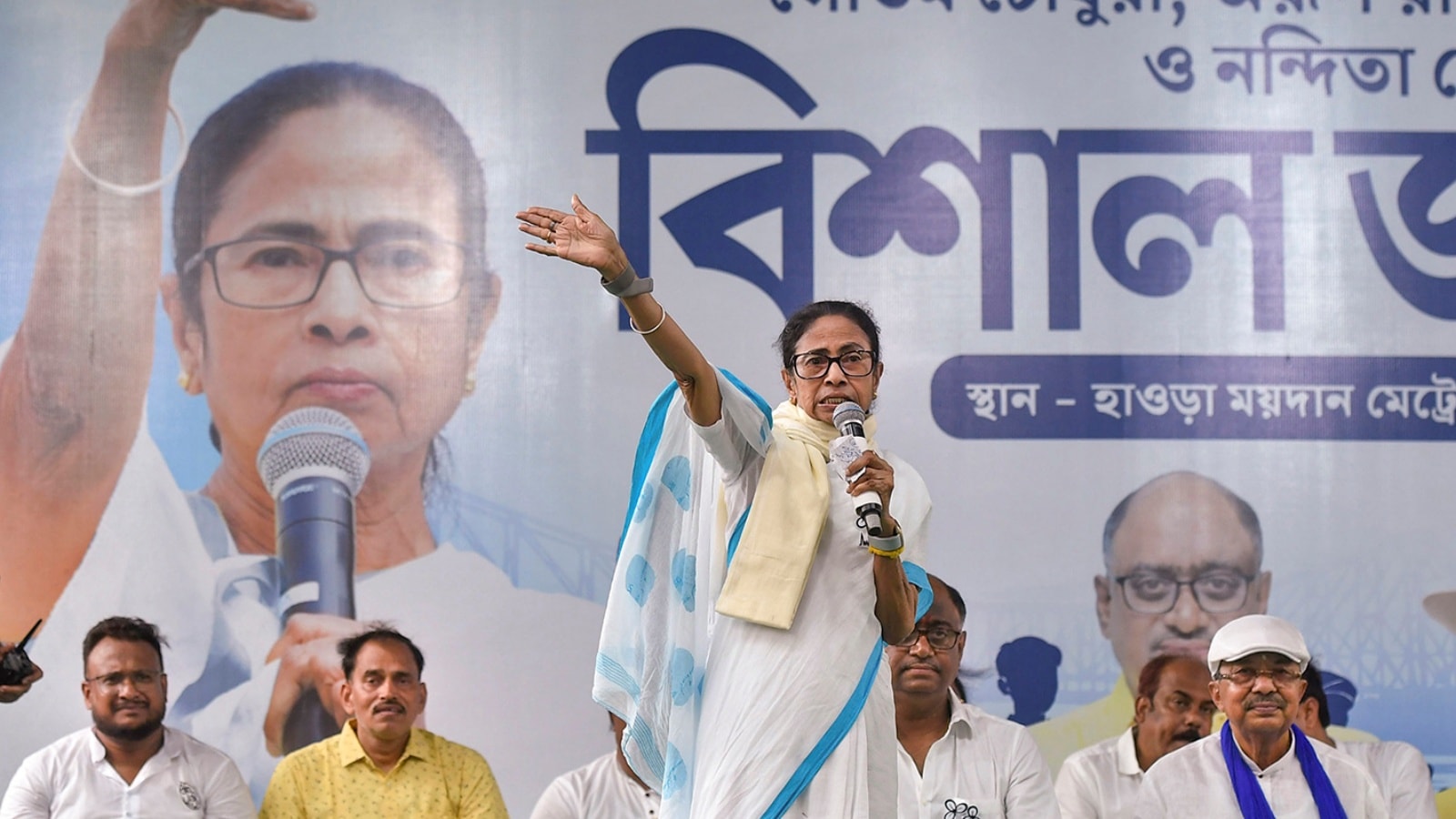
The 142 Phase 2 constituencies sit in and around Kolkata — the state's urban core, its institutional centre, and the heartland of TMC's political machine. In 2021, Mamata Banerjee's TMC dominated this exact Phase 2 geography, helping propel her party to a landslide 213-seat majority. BJP's failure to crack Kolkata's suburban belt was decisive then. It remains the central obstacle now.
TMC is fielding candidates across 291 of 294 seats, with three Darjeeling hill seats ceded to ally BGPM under Anit Thapa. The party's Phase 2 slate is loaded with incumbent ministers. The single highest-profile seat is Bhabanipur — Mamata Banerjee's own constituency — where BJP has deployed Suvendu Adhikari, the leader of opposition who defeated Banerjee in Nandigram in 2021, according to The Hindu's candidate breakdown. A repeat Adhikari win in Kolkata would be an existential blow to the Chief Minister's authority.
BJP's Phase 2 strategy is equally high-stakes on the flanks. The party has fielded Rakesh Singh — released on bail from Presidency Jail just weeks ago on extortion charges — against veteran TMC heavyweight and Kolkata Mayor Firhad Hakim in Kolkata Port. The move signals BJP's calculation that name recognition and disruptive energy matter more than legal clean hands in urban constituencies.
The Structural Problem for BJP
BJP enters Phase 2 with the same structural deficit it had in 2021: it performs strongly in northern and western districts (Cooch Behar, Birbhum, Dakshin Dinajpur all posted 93–95% turnout in Phase 1), but the Kolkata metropolitan belt — Phase 2's core — is where TMC's organisational ground game is deepest. Mamata Banerjee's April warnings against "Delhi-backed zamindars" are explicitly calibrated for this urban-suburban audience.
The Special Intensive Revision (SIR) of the voter rolls, which removed approximately 9.1 million voters (roughly 12% of the electorate) before this election, adds a further unknown. TMC has alleged the deletions targeted its supporters; the scale is large enough to matter in close urban seats.
For sharp analysis on India's political landscape, the Bengal contest is the sharpest test of whether BJP can translate its national dominance into state-level control against a deeply entrenched regional incumbent.
What to Watch
May 4 is counting day. The number to track is not the overall seat total — it is specifically how many of the ~50 competitive Kolkata-adjacent Phase 2 seats flip versus hold. If BJP wins the Bhabanipur seat and defeats Hakim in Kolkata Port, the narrative shifts regardless of the final count. If TMC holds both, Mamata Banerjee's third consecutive term is effectively confirmed before dawn.
Discover more
India
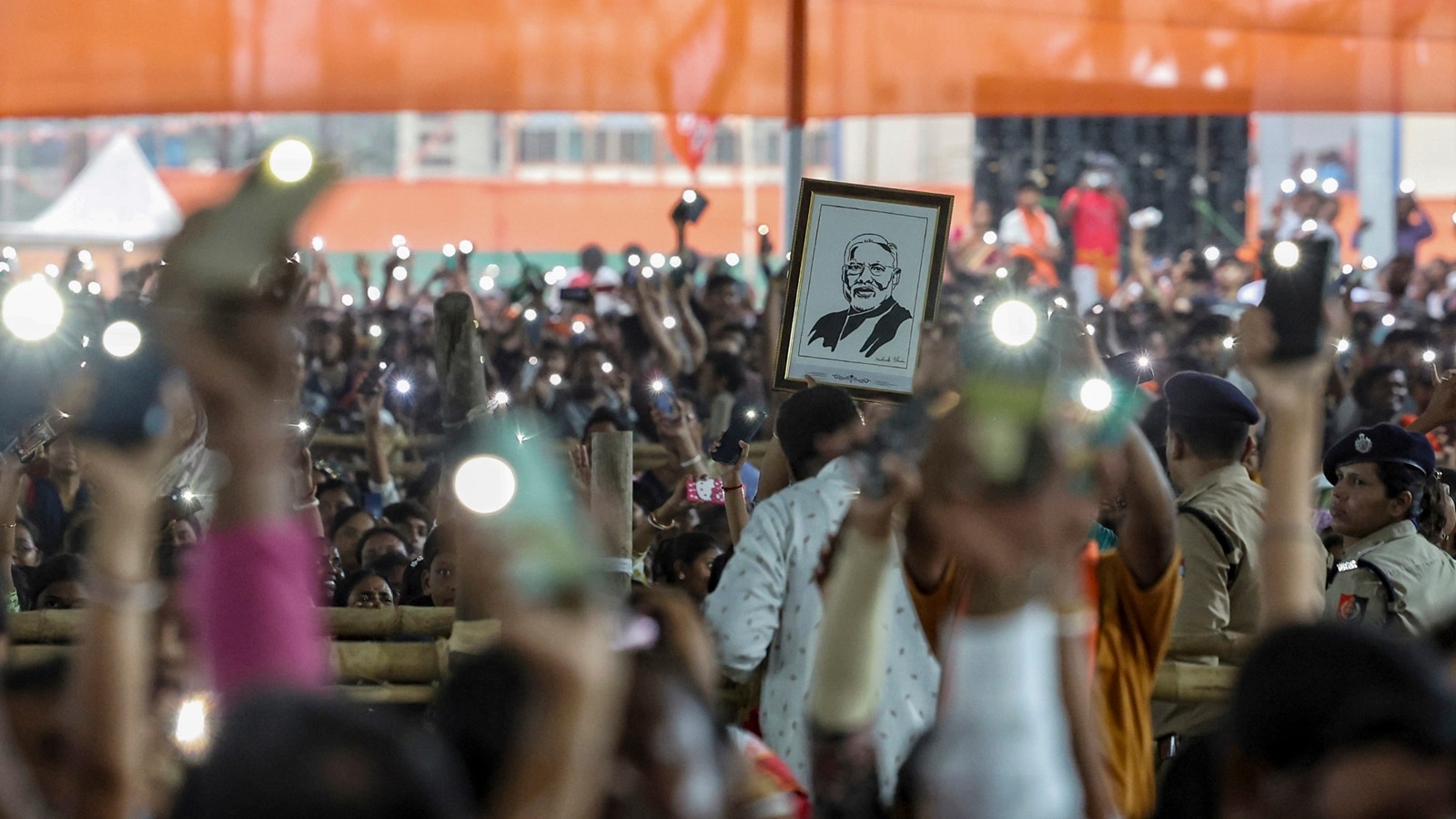
Modi's Women’s Convention in Varanasi
Modi's Varanasi rally frames women's reservation as a national mission, targeting the 2027 Uttar Pradesh elections with a strategic narrative.

Conflict & Security
Drone Warfare Killing Aid Workers at Unprec
Over 1,000 humanitarian workers killed in three years as cheap armed drones collapse legal protections. Gaza, Sudan, Ukraine, and DRC see deliberate targeting of aid convoys and hospitals with zero prosecutions.

Global
World Normalises Taliban as Afghan Women Eras
UN data shows Afghan women erased from public life as Russia recognises the Taliban, EU hosts officials in Brussels, and ICC warrants for gender persecution go unenforced.
Conflict & Security
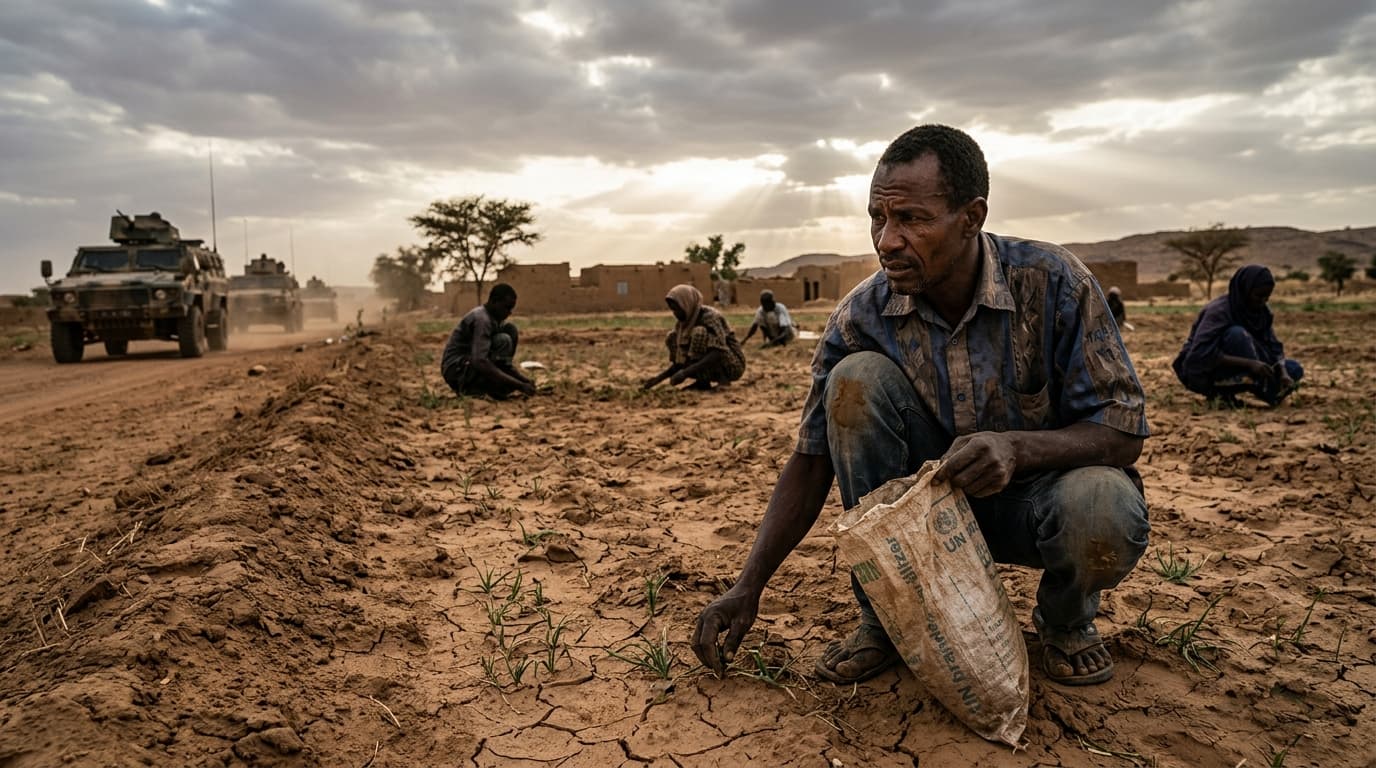
West Africa Food Crisis: Three Shocks in 2026
Conflict, climate extremes, and the Strait of Hormuz closure drive a severe food crisis in West and Central Africa, with fertilizer prices surging 80% and millions displaced.