Barghouti's Son Bypasses Gaza Deadlocks
Arab Barghouti's cultural push highlights Palestinian leadership issues.
Model Diplomat3 min readMiddle East
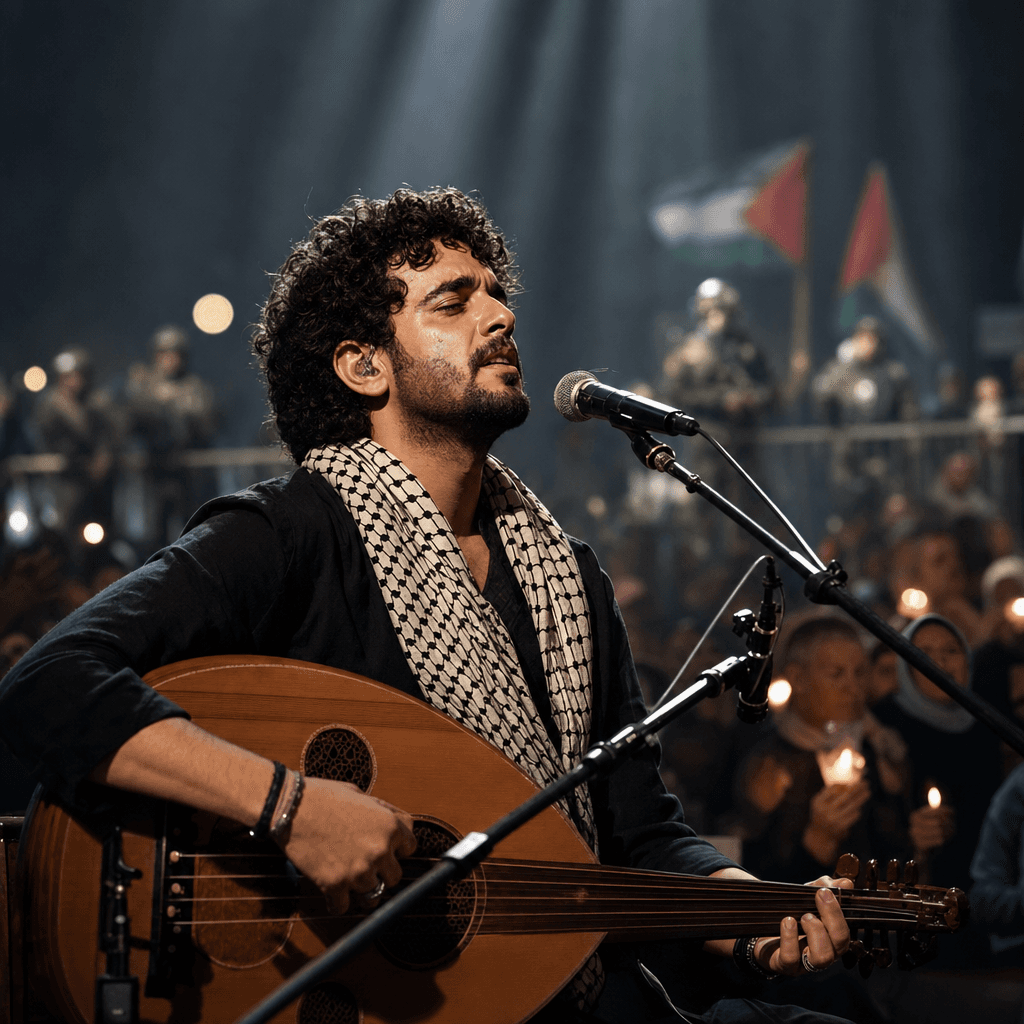
How Barghouti's Son Bypasses Gaza Diplomatic Deadlocks
Arab Barghouti's appearances at European concerts signal a shift to public culture as ceasefires exclude the unifying Palestinian leader.
On Sunday, Arab Barghouti, the son of the long-imprisoned Palestinian leader Marwan Barghouti, joined the English electronic band Massive Attack on stage at Berlin's Citadel Music Festival. As reported by Al Jazeera, the younger Barghouti used the platform to demand his father’s release, marking a deliberate campaign expansion that targets Western audiences directly. This high-profile appearance mirrors a similar stunt days prior, where Arab introduced the virtual band Gorillaz at Spain’s Primavera Sound festival as detailed by
The Line of Best Fit. These coordination efforts highlight how the #FreeMarwan campaign is weaponizing Western cultural arenas to pressure governments, circumventing highly gridlocked official channels.
The Leverage of a Prisoner-Exchange Standard
The timing of this transatlantic public relations offensive is not coincidental. In ongoing negotiations to end the Israel-Palestine conflict, Hamas has repeatedly designated Marwan Barghouti as its top-tier demand in potential hostage-for-prisoner exchanges. According to the
BBC, Hamas negotiators during Egypt-mediated talks specifically requested the release of Barghouti and other high-ranking political prisoners. However, Prime Minister Benjamin Netanyahu's coalition has adamantly rejected these demands, excluding Barghouti from the list of prisoners initially slated for release under Trump-backed ceasefire frameworks. Securing his release via quiet, behind-the-scenes statecraft has hit a wall; consequently, Barghouti's family sees direct appeals to Western public opinion as the only viable mechanism left to force Jerusalem's hand.
The Political Game Inside Ramallah
The core dynamic around Marwan Barghouti is his unparalleled popularity. Serving five life sentences since his 2004 conviction, Barghouti is viewed by various Palestinian factions as the most viable figure to bridge the deep rift between Hamas and the West Bank-based Palestinian Authority (PA). Public opinion polling consistently confirms that Barghouti would comfortably win a presidential election over both current PA President Mahmoud Abbas and Hamas figures, as highlighted by NPR. This makes him a double-edged sword: while some elements of Fatah champion him to revitalize their deeply unpopular leadership, senior PA officials quietly fear his release because it would immediately upend their own lock on power and trigger a major transition. For Israel, Barghouti remaining behind bars effectively keeps Palestinian leadership fractured, while releasing him risks creating a formidable, unified Palestinian front.
What to Watch Next
Assessments of his actual physical security have added urgency to this campaign. Over the past year, Arab Barghouti has warned that his elderly father faces increasingly harsh conditions, reporting that he was severely beaten during a transfer between Israeli prisons, according to another BBC report. The immediate variable to watch next is whether his campaign's transition to
international diplomacy triggers diplomatic friction between European states and Israel. Netanyahu's far-right National Security Minister, Itamar Ben-Gvir, has weaponized video of Barghouti's poor prison conditions as a point of domestic political pride. If European governments begin raising Barghouti's treatment as a human rights issue in bilateral talks, the political cost of holding him will shift, redefining the terms of the next major prisoner swap.
Discover more
Conflict & Security
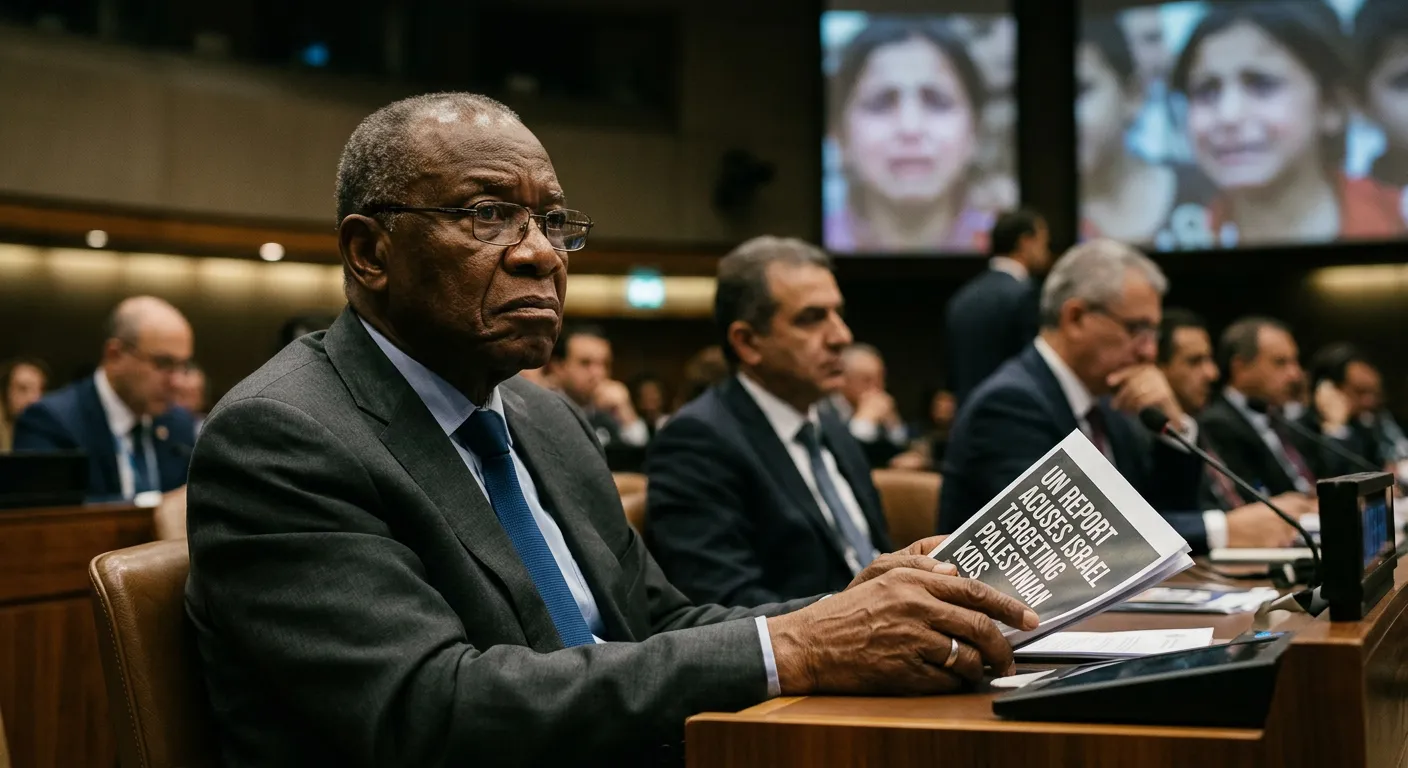
UN Report: Israel Targets Palestinian Kids
A UN report accuses Israel of genocide against Palestinian children in Gaza, citing grave human-rights violations and intensifying scrutiny of the war's toll.
Conflict & Security
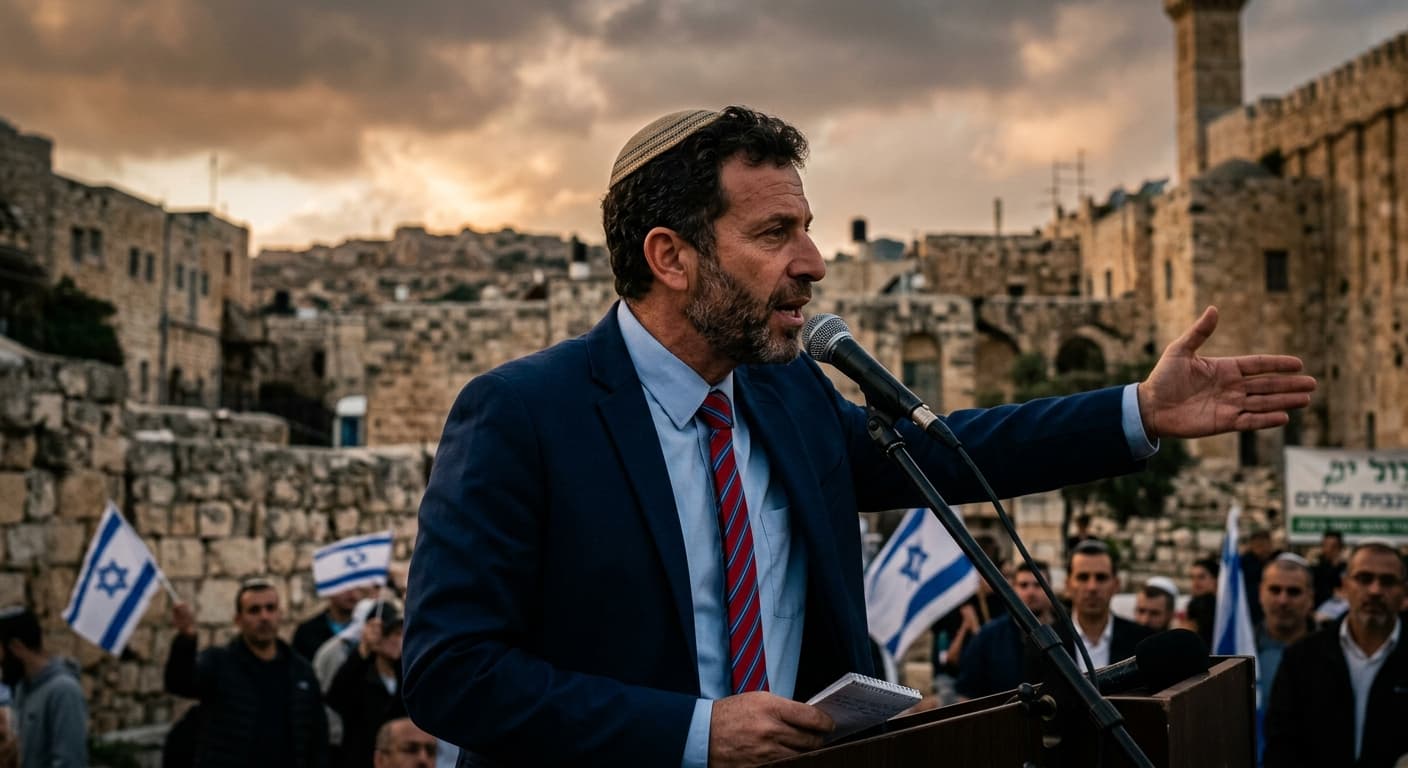
Israel's Annexation Strategy Escalates
Israel's annexation push goes public as minister Smotrich declares intent in Hebron, signaling an open strategy to entrench West Bank settlements and control.
Conflict & Security
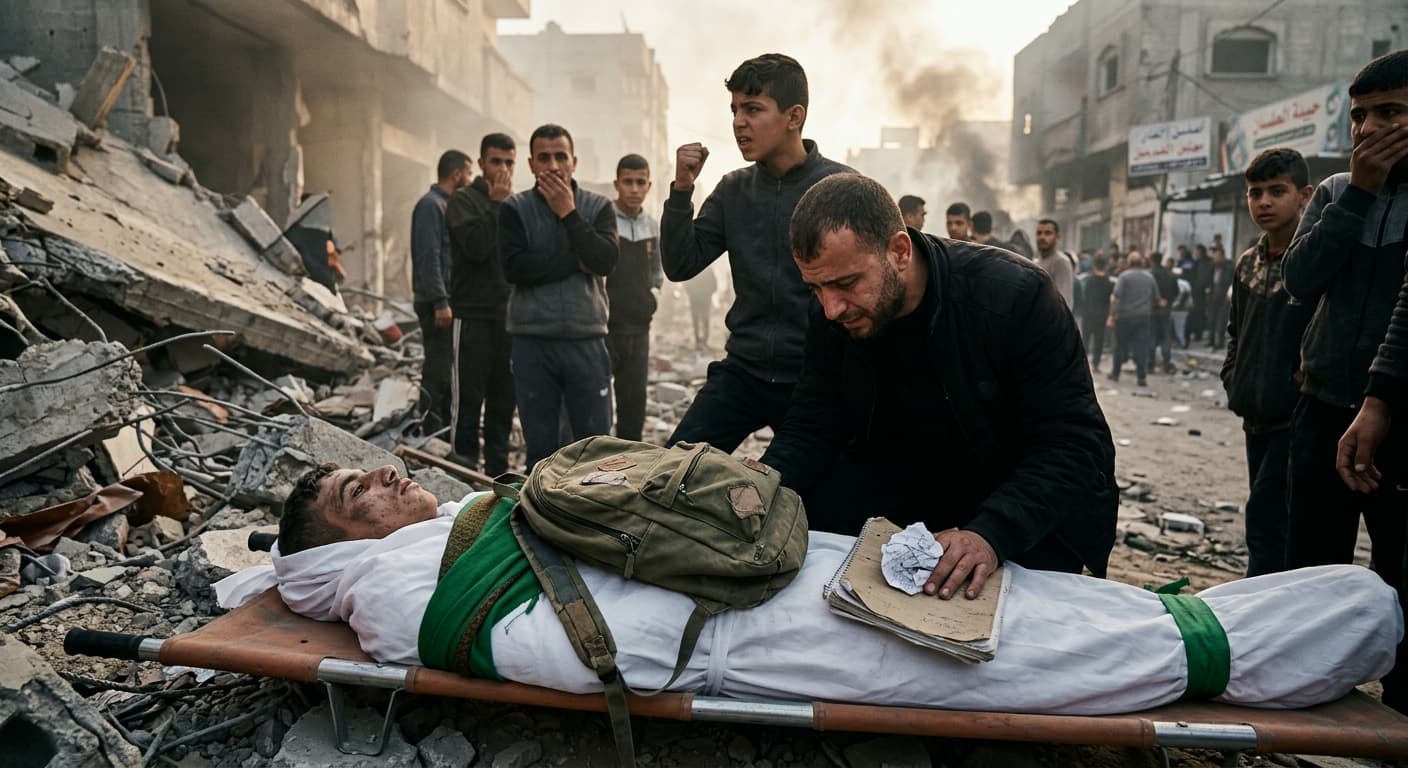
Gaza Student Killed in Israeli Strike
A 17-year-old student was killed in an Israeli strike in Gaza amid ongoing ceasefire violations, underscoring the fragile truce and mounting civilian toll.
Conflict & Security
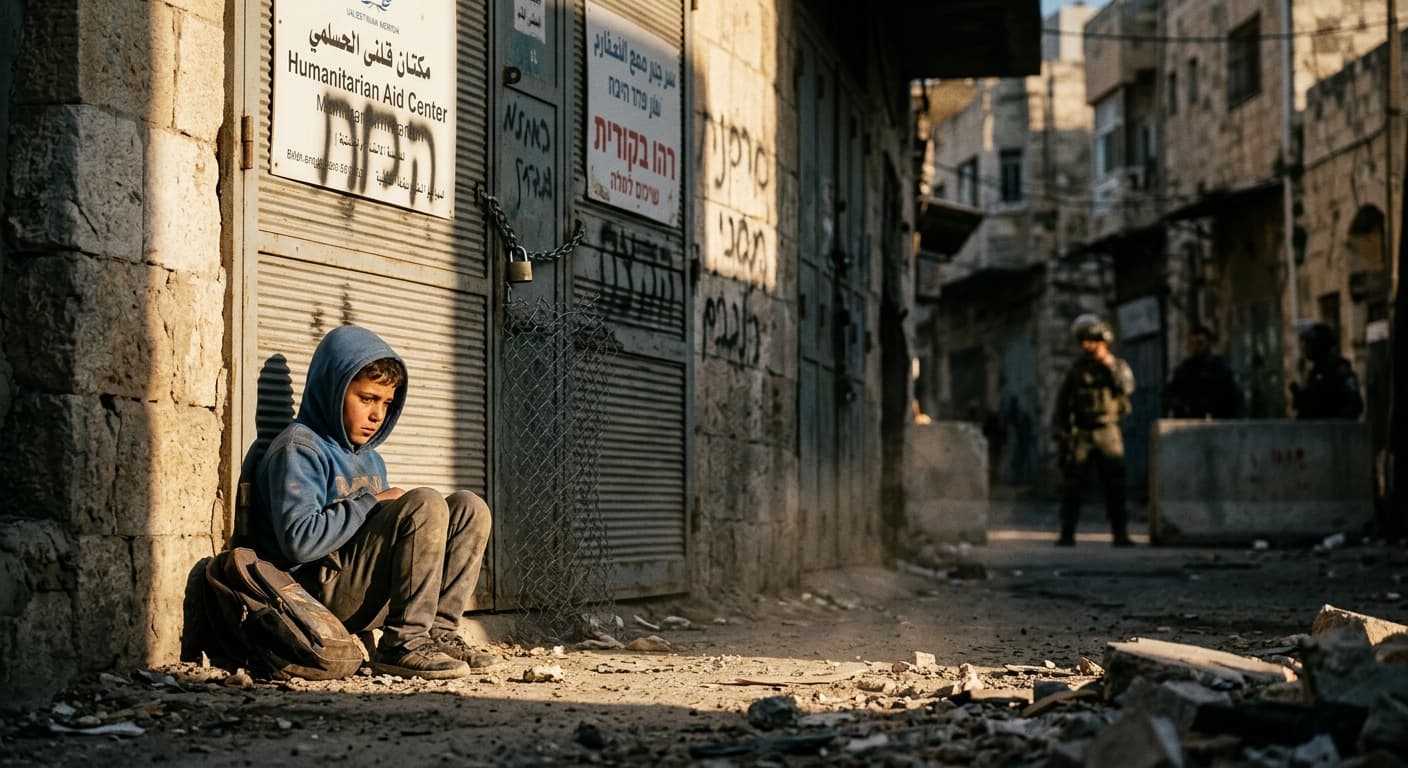
Israel's NGO Restrictions Endanger Children
Israel's tightening restrictions on aid groups leave Palestinian children exposed to abuse and neglect, UN and rights advocates warn amid the conflict.