Bangladesh Fighter Jet Deal Signals Shift
Dhaka's military pivot raises alarms in New Delhi.
Model Diplomat3 min readSouth Asia
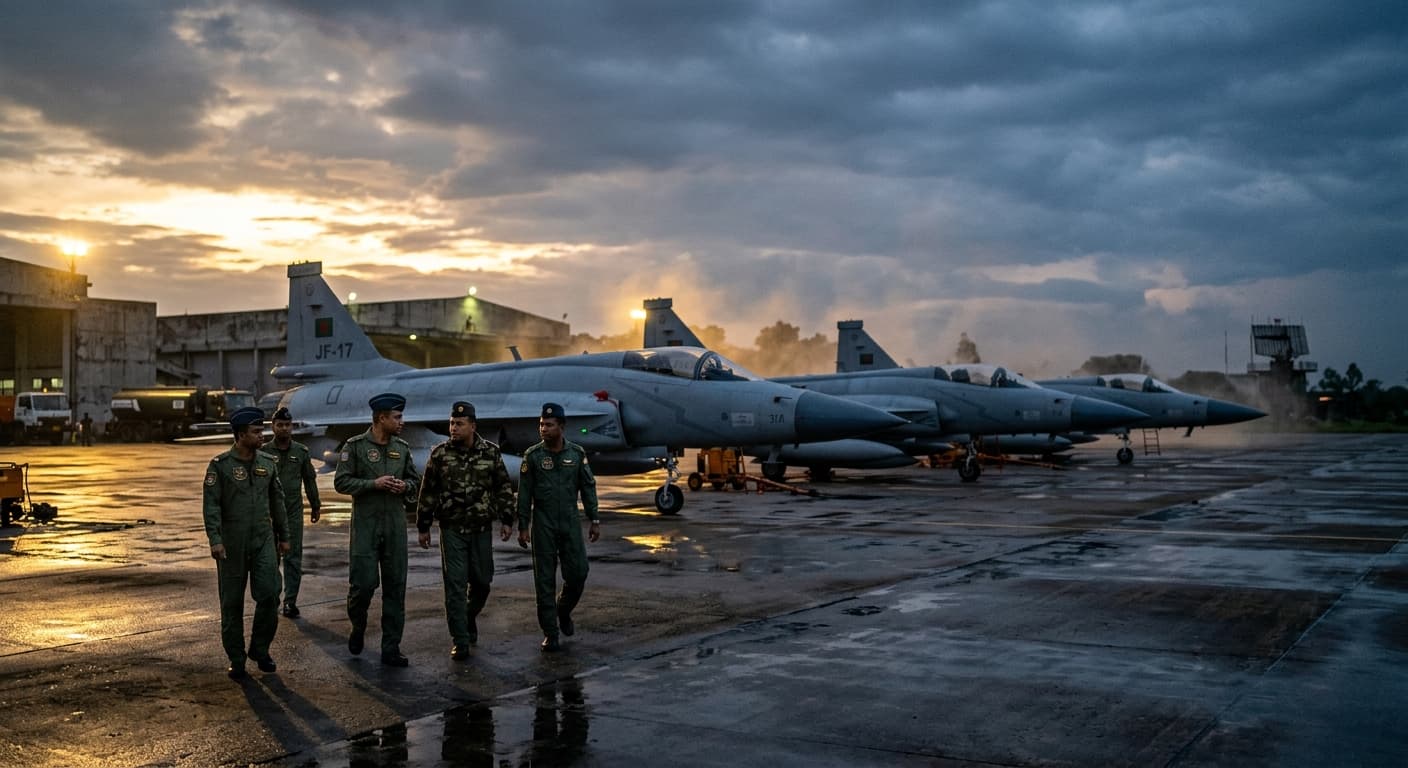
Bangladesh Fighter Jet Deal Signals Dhaka's Pivot Away From India
Bangladesh seeks Chinese-designed JF-17 jets used against Indian aircraft in May 2025 conflict, reshaping South Asian military balance.
Bangladesh is moving to acquire the JF-17 Thunder fighter jet from Pakistan—the same aircraft Islamabad flew against India in May's intense four-day air war—signaling a sharp realignment that New Delhi views with deep unease.
Air Chief Marshal Hasan Mahmood Khan met Pakistan's Air Chief Marshal Zaheer Ahmed Babar Sidhu in Islamabad on January 6, where they held detailed discussions on "potential procurement" of the jets. While Bangladesh has only expressed "interest" rather than signed a contract, the timing and symbolism mark a watershed moment in South Asia's military-strategic realignment.
Why This Matters Now
The JF-17 Thunder is a lightweight, all-weather multirole fighter jointly produced by Pakistan's Aeronautical Complex and China's Chengdu Aircraft Corporation, priced at approximately $25–30 million per unit—affordable for countries with limited budgets yet combat-proven in May's Pakistan-India confrontation.
Pakistan fielded the JF-17 alongside its newly acquired Chinese J-10C jets and deployed 42 aircraft against 72 Indian fighters over four days, with Pakistani claims—later acknowledged by Indian officials—of shooting down Indian aircraft.
The appeal to Bangladesh stems from Pakistan's successful marketing of the jet as combat-tested and affordable, but the deeper driver is Dhaka's deliberate strategic reorientation away from India, accelerated since the fall of Prime Minister Sheikh Hasina in August 2024. Under interim leader Nobel laureate Muhammad Yunus and now the incoming Bangladesh Nationalist Party government, Dhaka has resumed direct trade with Pakistan for the first time since 1971, restarted direct flights after 14 years, and conducted joint military exercises with Chinese and Pakistani forces.
India will view Chinese-built fighter jets in Bangladesh's arsenal with alarm. Dhaka shares a long, porous border with India's northeast, home to insurgent groups that have historically used Bangladeshi territory for sanctuary. During Hasina's tenure, New Delhi relied on military cooperation and intelligence-sharing to suppress these groups. A Pakistan-aligned Bangladesh armed with advanced Chinese aircraft upends that security arrangement.
Former Indian High Commissioner Veena Sikri calls the revival of Bangladesh-Pakistan military ties "a major security concern for India," noting parallels to an earlier era when Pakistan's intelligence agency, the ISI, allegedly trained Indian insurgents on Bangladeshi soil.
Strategic Recalculation
For Yunus and the new Bangladeshi government, the shift reflects a calculation that India's dominance—underwritten by military and economic leverage—has constrained Dhaka's autonomy. Yunus himself signaled this in meetings with Chinese President Xi Jinping, where he discussed acquiring Chinese J-10 jets in addition to Pakistani offers.
Pakistan's defense minister Raza Hayyat Hiraj confirmed in a recent interview that negotiations with multiple countries—including Bangladesh—now include Chinese approval on defense deals, indicating that China is the true "senior partner" in JF-17 exports.
This is not merely military procurement; it is strategic alignment. An analyst close to Pakistani defense circles told Al Jazeera that such deals signal "collaboration at a national level, showing strategic alignment between two countries," extending to training, after-sales support, and long-term interoperability.
Pakistan has already supplied JF-17s to Myanmar (7 delivered), Azerbaijan (part of a $1.5 billion deal), and Nigeria, with reported discussions ongoing with Saudi Arabia, Libya, Sudan, and Iraq.
What to Watch
The immediate question is whether Bangladesh will move from "interest" to a signed contract. Fighter jet procurements typically take years to finalize, and Bangladesh's new government—set to take office after February 2026 elections—may recalibrate priorities. But the vector is clear: Dhaka is pursuing what one analyst called a "multipolar strategy," balancing Beijing with the West while normalizing ties with Pakistan and Turkey. India faces a choice between accepting Dhaka's strategic independence or deepening the security concerns that may accelerate that very realignment. Each JF-17 delivered to Bangladesh narrows the window for reversal.
Discover more

India
India-South Korea $50B Trade Expansion Plan
India and South Korea set a $50 billion trade target, deepening economic cooperation and strengthening Asia-Pacific ties amid shifting global trade dynamics.
India
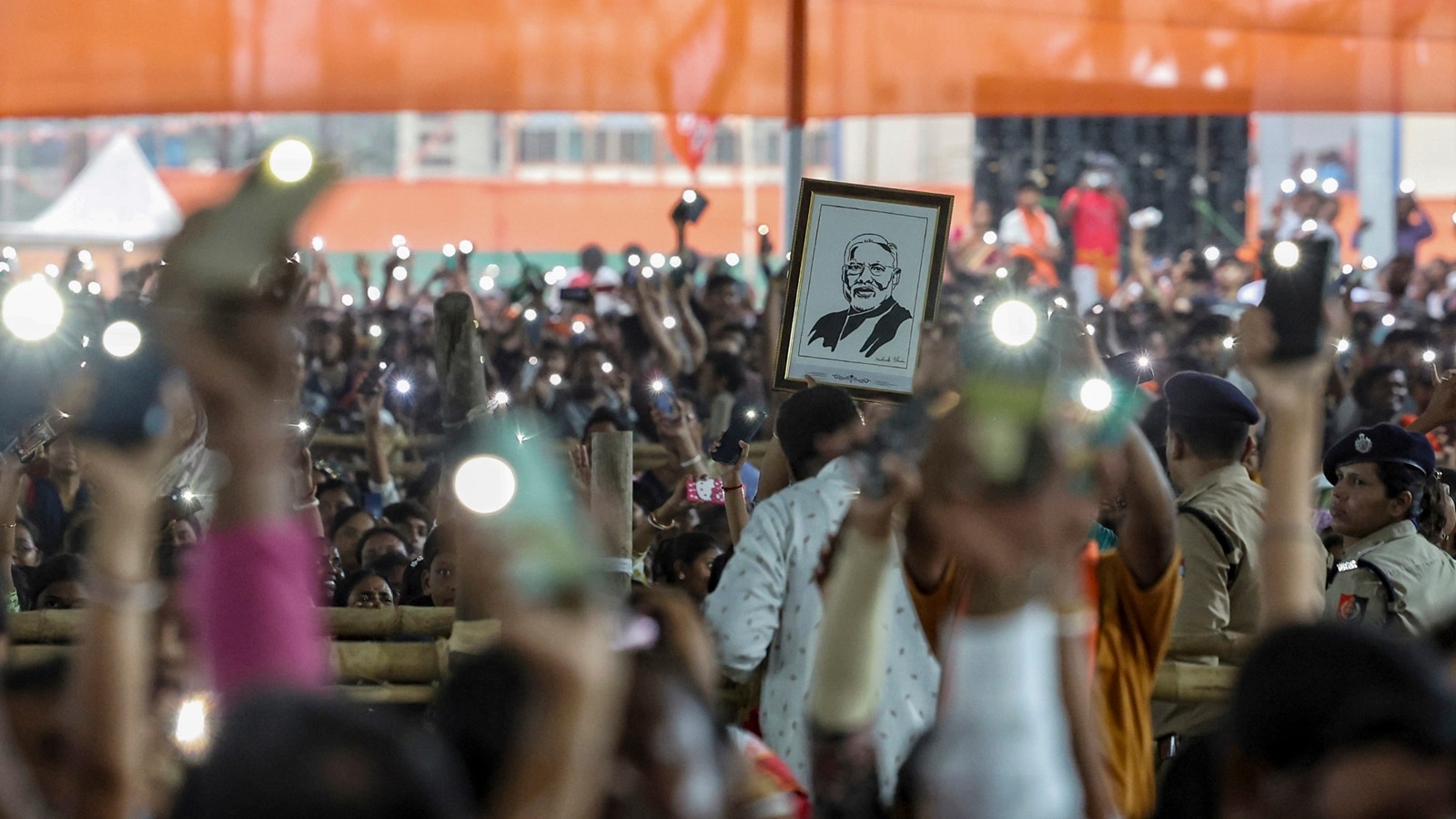
Modi's Women’s Convention in Varanasi
PM Modi's planned women's convention in Varanasi aims to rally support before West Bengal polls, spotlighting empowerment programs as a key electoral strategy.
India
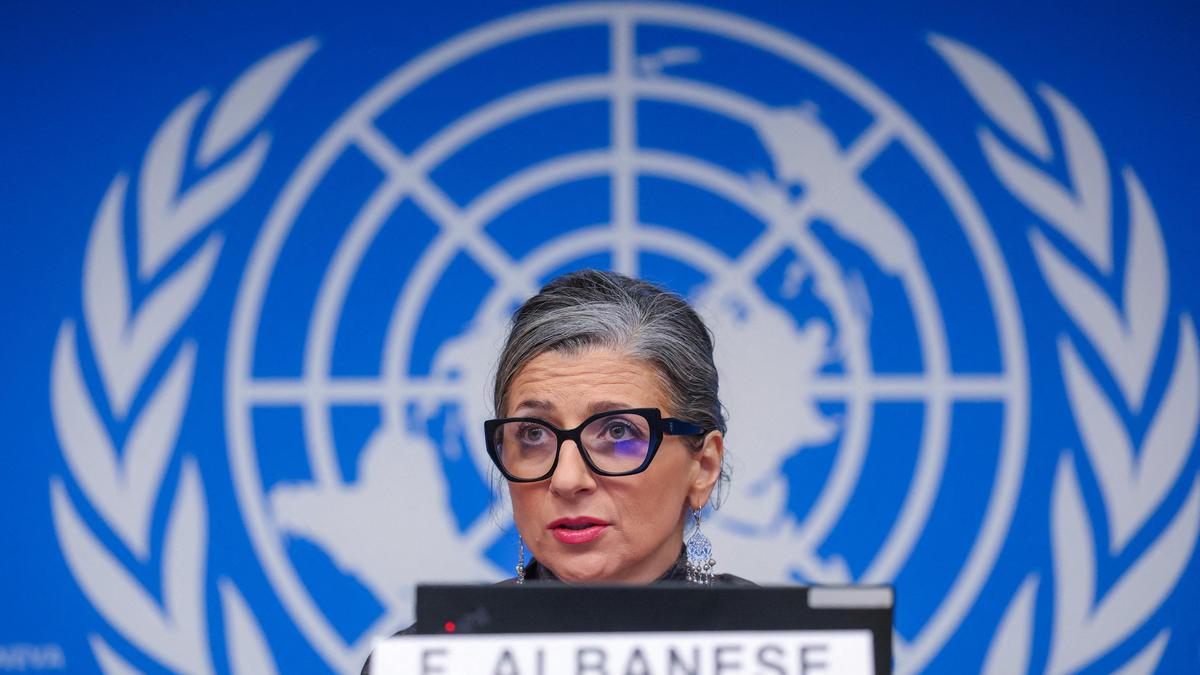
UN Expert Albanese: India Violates Law
UN Rapporteur Francesca Albanese accuses India of breaching international law, spotlighting human rights concerns in Kashmir and prompting diplomatic pushback.
Global
Will Kurti's 4th victory reshape Kosovo's foreign relations?
- Episode focus: A Balkans Debrief conversation with Yll Sadiku about Albin Kurti’s fourth consecutive electoral victory in Kosovo and what it could mean for Kosovo’s foreign relations. - Key questions addressed: - How Vetëvendosje’s victory ended months of political