Australia Draws a Hard Line on ISIS Returnees
Canberra uses arrests and exclusion orders to deter returnees.
Model Diplomat2 min readOceania
Australia Draws a Hard Line on ISIS Returnees
Canberra cannot block its citizens from returning, so it is using arrests, surveillance and exclusion orders to deter a politically toxic repatriation.
Australia is facing a familiar security problem with a narrower set of tools: it cannot stop Australian citizens from re-entering, but it can decide how harshly to meet them on arrival. Police say women linked to Islamic State who are returning from Syria may be arrested and charged, while the government is pointedly refusing to help them travel home. AP News
Reuters via The Straits Times
Canberra’s leverage is legal, not territorial
The key power dynamic is simple: the women and children in Syria have little bargaining power, but Home Affairs Minister Tony Burke controls the Australian state’s response. He has said authorities have kept contingency plans in place since 2014, and AFP commissioner Krissy Barrett says some returnees could be charged while others stay under investigation. Reuters via The Straits Times That is a signal to both camps and domestic audiences: if you come back, the state will not finance the journey, but it will police the border and prosecute where it can.
The sharper instrument is the temporary exclusion order. In February, Canberra used that rarely used power for the first known time against one woman in the cohort, under legislation introduced in 2019 to delay the return of Australians over 14 deemed a security risk. SCMP That matters because it shows the government is trying to convert public anger into a legal framework, rather than improvising a one-off political response.
Who benefits, who loses
The immediate beneficiary is the Albanese government, which gets to look tough without formally denying entry to citizens. The opposition and anti-immigration voices also gain oxygen: the return of women once associated with ISIS remains politically combustible, and earlier reporting linked the issue to rising support for Pauline Hanson’s One Nation. Reuters via The Straits Times The losers are the returnees themselves, who face a criminal process on arrival, and the children, who are being separated from the adult security narrative and pushed into reintegration programs.
Reuters via The Straits Times
The broader lesson is for Global Politics: post-caliphate repatriation is no longer mainly about battlefield defeat. It is about which states accept the domestic cost of bringing back citizens tied to a movement they still treat as an active security threat.
What to watch next
Watch the first airport arrivals, any immediate AFP charges, and whether Burke expands exclusion orders beyond this one case. The next decision point is procedural: if the government can show evidence of crimes in Syria, it will use prosecutions to validate its hard line; if not, it will still claim deterrence, but with less legal payoff. The date that matters is now: the return is imminent, and Canberra has already set the terms.
Discover more
US Politics
Congress Targets AI Chatbot Access for Terror
House Chair Andrew Garbarino proposes government access to AI chatbot queries to combat terrorism, igniting privacy debates.

Global Politics
US Seizes Iranian Ship, Tensions Surge
The US seizes the Iranian ship Touska near the Strait of Hormuz, escalating tensions and risking wider conflict in the region.
Global Politics
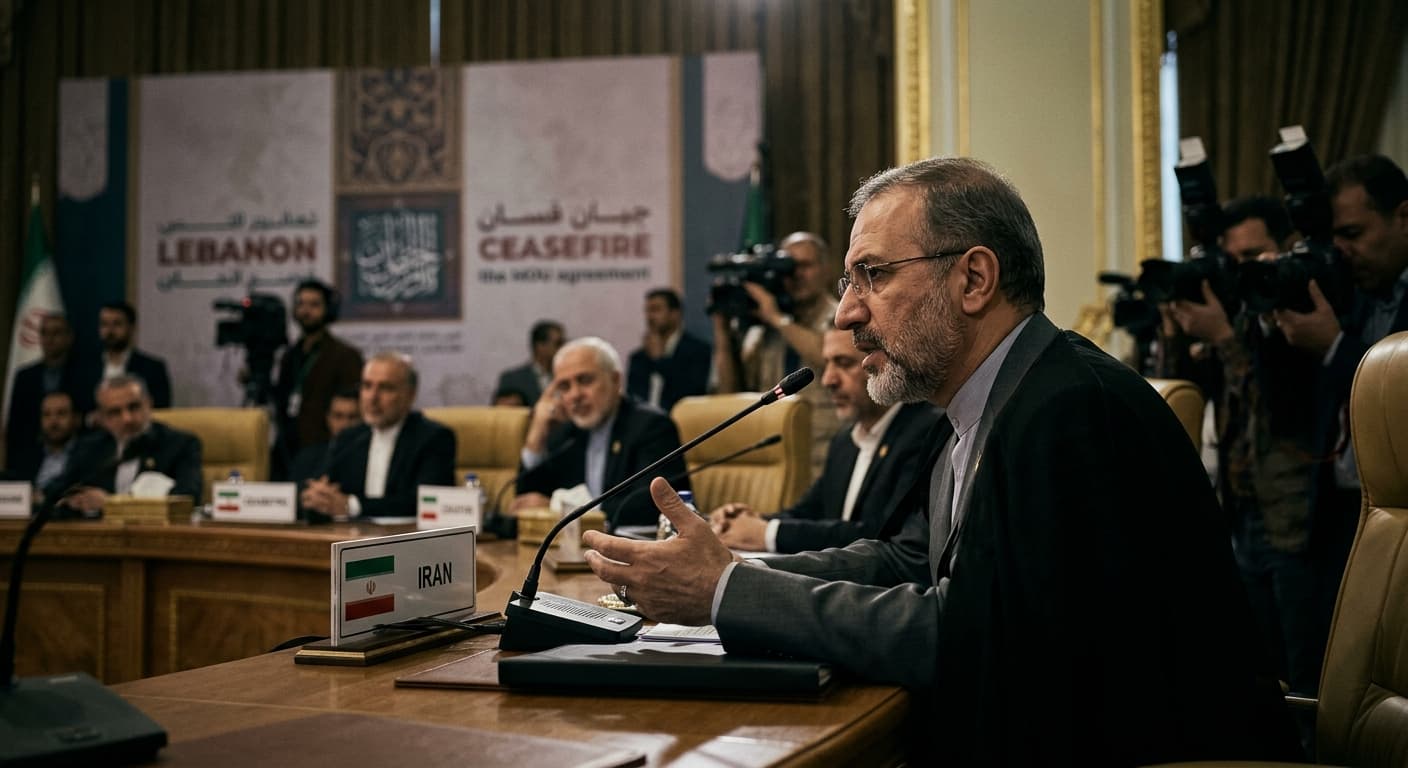
Iran Demands US Enforce Ceasefire
Iran insists the US must enforce a ceasefire in Lebanon to uphold the MoU.
India
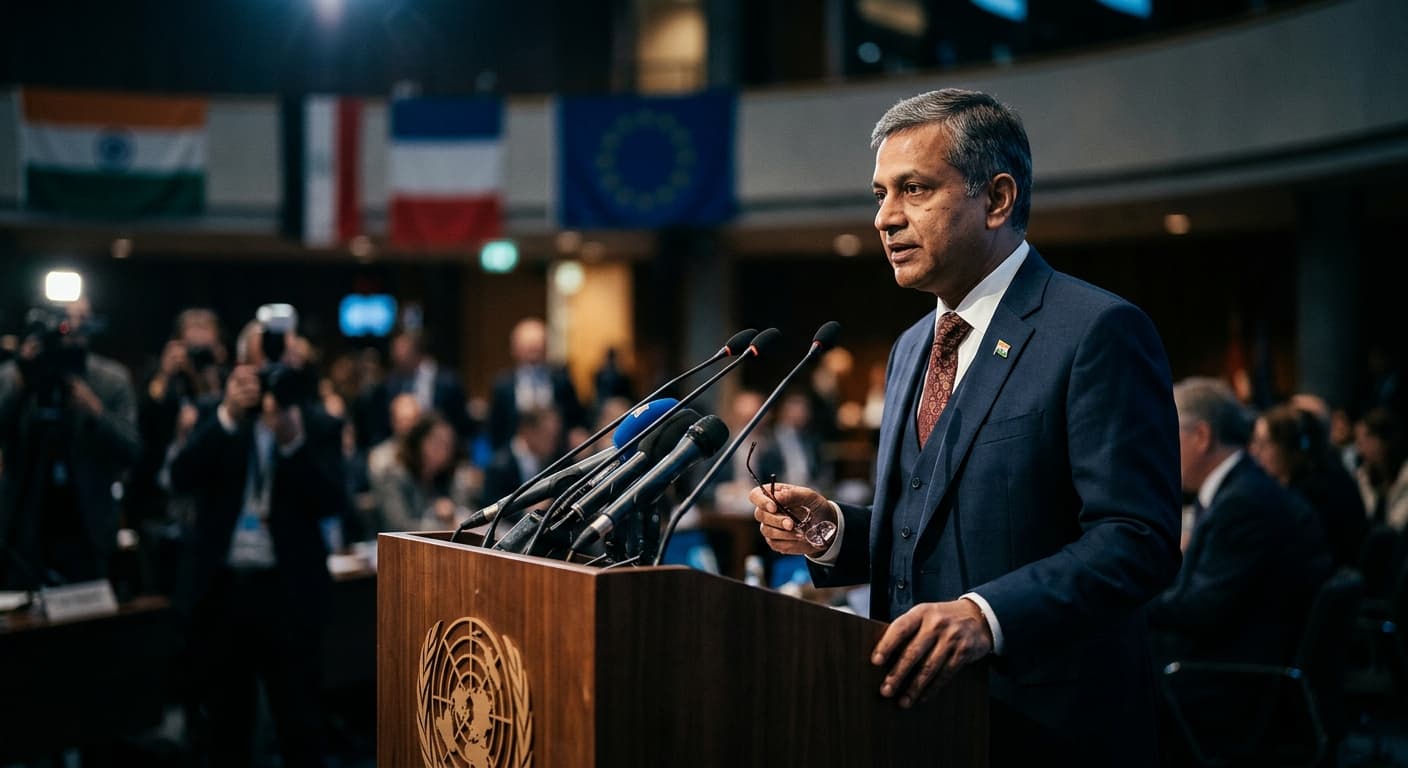
India Takes Vice-Presidency at FATF
India's Vivek Aggarwal becomes FATF vice president, paving the way for future leadership.