Assam turns Bakrid restraint into a political signal
Assam’s chief minister is praising Muslim committees that urged no cow sacrifice on Bakrid, turning a religious appeal into a public test of communal accommodation.
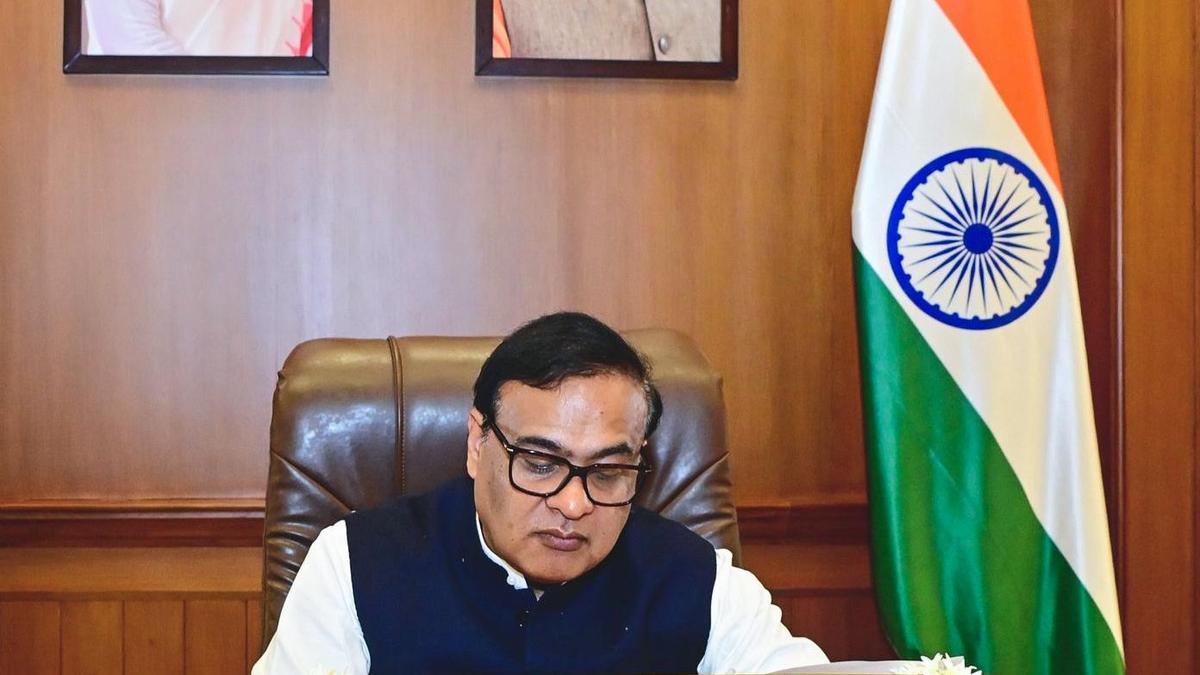
Assam Chief Minister Himanta Biswa Sarma on Saturday welcomed appeals from Eidgah and graveyard committees in Bongaigaon, Cachar, Dhubri and Hojai urging Muslims to avoid cow sacrifice during Bakrid, which falls on May 27, saying the move would strengthen communal harmony ( The Hindu). The committees asked worshippers to choose other animals and framed the decision as respect for non-Muslim religious sentiment. Sarma then amplified their statements on X, explicitly calling them a gesture toward the “majority community” (The Hindu).
Who gains leverage
This is not just a gesture of interfaith goodwill. Sarma is using the committees’ appeal to reinforce a simple political message: the state’s Hindu majority sets the cultural baseline, and Muslim organisations are expected to adapt. That helps him two ways. First, it lowers the risk of open confrontation over cattle sacrifice in a sensitive season. Second, it lets him claim credit for “harmony” without appearing to impose a ban himself. The result is a softer form of pressure: community self-policing backed by the chief minister’s public endorsement.
That matters in Assam because cow politics are already a live fault line, and Sarma has repeatedly treated food, faith and identity as electoral terrain. By praising Muslim restraint, he is also isolating harder-line voices that might frame Bakrid observance as a rights issue rather than a matter of local accommodation. For  India, the larger pattern is familiar: state power is increasingly exercised through social signalling as much as through formal prohibitions.
The wider playbook is spreading
Assam is not acting in a vacuum. In the days before Bakrid, the Calcutta High Court refused to stay West Bengal’s tighter cattle-slaughter rules, after the state ordered stricter enforcement of its animal slaughter law and certification requirements for cattle slaughter ( Scroll). The court said the notification followed earlier directions and even allowed the state to consider adding language clarifying that cow sacrifice is not an essential Islamic requirement (Scroll).
The pattern extends beyond Bengal. In Hyderabad, a Muslim cleric recently urged followers to consider moving away from cattle sacrifice next year and cited the “West Bengal formula,” while also warning about vigilante interference and checkpoint harassment (The Hindu). In Telangana, police have already stepped up surveillance, directed officers to verify transport and slaughter certificates, and warned against disturbing communal harmony during the festival (The Hindu).
What to watch next
The next test is whether Assam’s local committees widen their appeals or whether Sarma’s endorsement remains a one-off signal. If more districts echo the call, the state will have effectively normalized self-restraint as the price of calm. If not, the issue could still flare through enforcement disputes, especially if cattle movement or private slaughter becomes a target for vigilante politics in the run-up to May 27.