AAP's Downfall
Exploring the internal crises of AAP and its future prospects
Model Diplomat3 min readIndia

AAP's Implosion: How India's Reform Party Ate Itself
Arvind Kejriwal's Aam Aadmi Party — once the world's most watched anti-corruption experiment — is fracturing under legal siege, electoral rout, and internal purges.
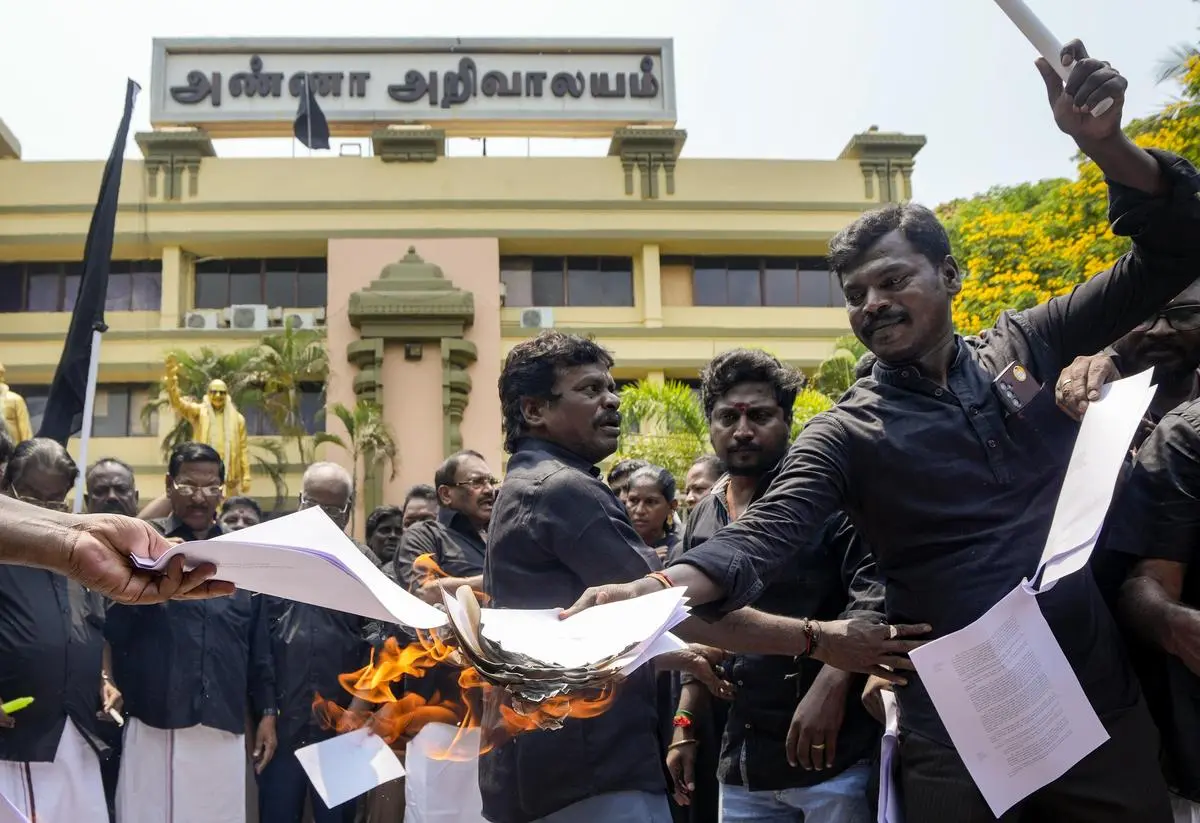
AAP lost Delhi in February 2025 — the capital that defined it, the city where it had won 67 of 70 seats in 2020. That defeat wasn't just electoral; it was existential. What's unfolded since is a cascade that Frontline's seven-part package this week documents in full: a party that built its identity on moral authority is now consuming its own.
Three Crises, One Party
The legal vise hasn't loosened. The Delhi excise policy case — the liquor licensing scandal that first ensnared Kejriwal and former Deputy CM Manish Sisodia in 2023–24 — remains live. As of this week, the Delhi High Court rejected Kejriwal's bid to have Justice Swarana Kanta Sharma recused from the proceedings, with the court explicitly warning that politicians should not be allowed to pressure the judiciary. The CBI's challenge to Kejriwal's earlier discharge keeps him legally exposed heading into any future campaign cycle. The Hindu
Internal defections are accelerating. In April 2026, Raghav Chadha — once AAP's most polished communicator and the architect of its 2022 Punjab landslide (92 of 117 seats) — was stripped of his Deputy Leader post in the Rajya Sabha after months of open friction with the Kejriwal inner circle. Frontline documents the same pattern: founding-era figures and rising stars alike are sidelined the moment they signal independence. Yogendra Yadav, Prashant Bhushan, Kumar Vishwas — the list of exits now spans a decade.
Kejriwal's strategic pivot has fragmented the party geographically. After Delhi's loss, he relocated political energy to Punjab — the one state AAP still governs — while Delhi operations defaulted to Atishi and Saurabh Bharadwaj. This split command has created visible coordination failures and given the BJP-led Delhi Assembly room to formally censure Kejriwal over a parliamentary row in March 2026.
What Remains, and Who Benefits
Punjab is AAP's last institutional fortress, but it is not secure. SAD is rebuilding in rural constituencies, and a potential SAD-BJP alliance for 2027 would consolidate the opposition vote in a way AAP cannot easily survive. Bypoll wins in Ludhiana West and Gujarat's Visavadar give Kejriwal a talking point — he's called them a "semi-final to 2027" — but single-seat results don't reverse structural decline.
The clear beneficiary of AAP's unraveling is BJP, which retook Delhi and now controls the Assembly machinery, and Congress, which could reclaim the urban reformist voter AAP once peeled away. For Indian politics broadly, AAP's collapse closes a brief window in which a third force demonstrated it could actually govern a major city — a lesson other regional challengers will study carefully.
What to Watch
Three dates matter. The Delhi excise case's next substantive hearing under Justice Sharma will determine whether Kejriwal faces trial before the 2027 cycle begins — a trial would functionally end his electoral viability. Punjab's 2027 Assembly election is the survival test: lose it, and AAP has no governing mandate anywhere. And watch whether Bhagwant Mann, Punjab's Chief Minister, begins distancing himself from the Delhi leadership — the moment he does, the party's organisational coherence breaks for good.
Discover more
India
Women’s Reservation Bill 2026
The Constitution (131st Amendment) Bill, 2026 was defeated in Lok Sabha, revealing deeper political conflicts over women's reservation and delimitation.

Conflict & Security
Drone Warfare Killing Aid Workers at Unprec
Over 1,000 humanitarian workers killed in three years as cheap armed drones collapse legal protections. Gaza, Sudan, Ukraine, and DRC see deliberate targeting of aid convoys and hospitals with zero prosecutions.

Global
World Normalises Taliban as Afghan Women Eras
UN data shows Afghan women erased from public life as Russia recognises the Taliban, EU hosts officials in Brussels, and ICC warrants for gender persecution go unenforced.
Conflict & Security
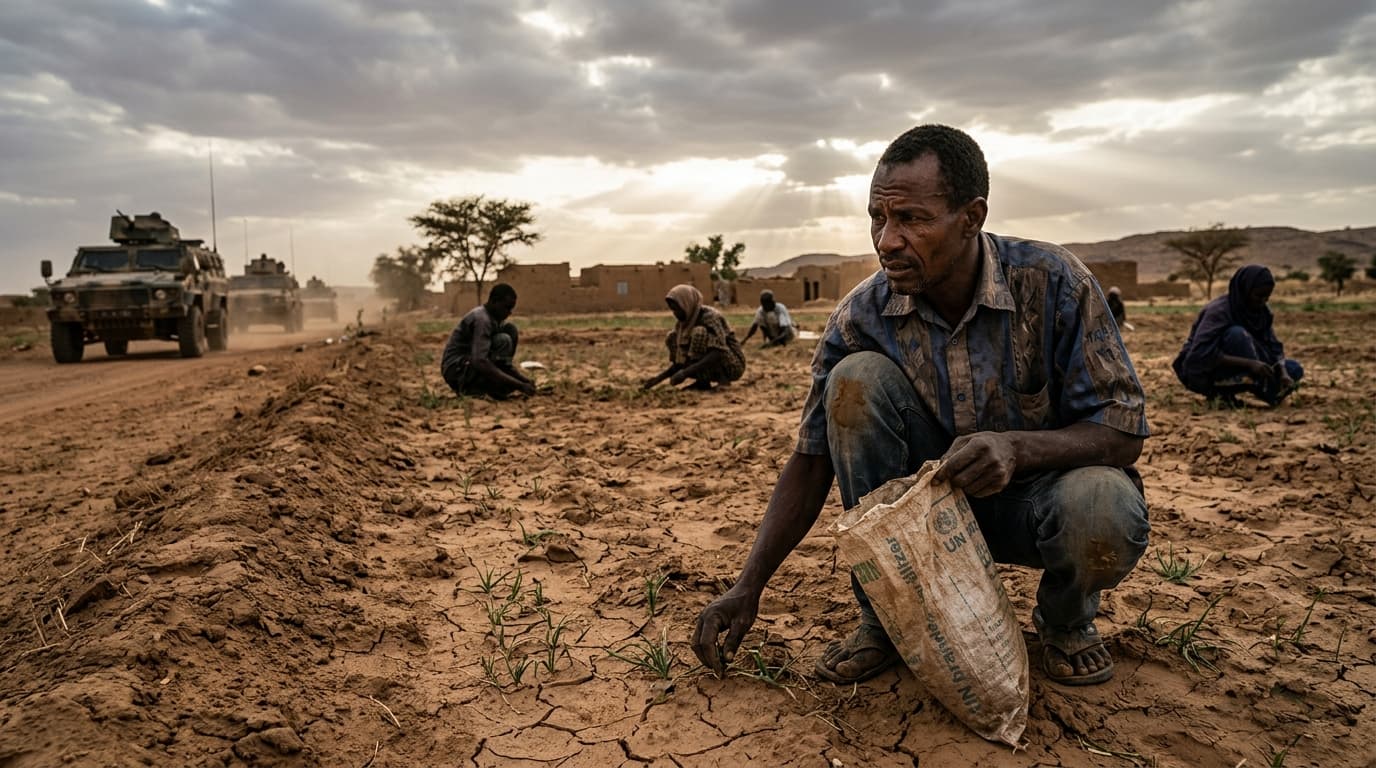
West Africa Food Crisis: Three Shocks in 2026
Conflict, climate extremes, and the Strait of Hormuz closure drive a severe food crisis in West and Central Africa, with fertilizer prices surging 80% and millions displaced.