

Diplomat Briefing
Trump Extends Iran Ceasefire Indefinitely — Global Politics Briefing,
·5 developments·1 deep dive
For the complete documentation index, see llms.txt.Skip to main content
The US-Iran war's endgame is being negotiated in Islamabad, litigated in the UN, and exploited in Beijing — every major power is repositioning around an American conflict that Washington hasn't yet won or ended.
On April 27, with the two-week US-Iran ceasefire hours from expiry, President Trump extended it indefinitely at Pakistan's request — a tacit admission that a second round of talks isn't imminent. VP JD Vance's planned trip to Islamabad has been postponed. Iran has not formally accepted the extension, with its UN envoy conditioning any return to negotiations on two demands: end the US naval blockade of Iranian ports and lift sanctions. Tehran's internal power structure has shifted since US-Israeli strikes killed Supreme Leader Khamenei — authority now rests with a Supreme National Security Council spanning hard-liners like Saeed Jalili and reformist President Masoud Pezeshkian, with Mohammad Bagher Qalibaf serving as lead US negotiator. That coalition has no consensus on how far to concede. Trump warned of "more bombs" if no deal is reached; Iran signaled it retains "new cards on the battlefield." The ceasefire holds — barely — because neither side has pulled the trigger, not because either side has offered terms the other can accept.
AP News — US Extends Ceasefire at Pakistan's Request |
Al Jazeera — Four Scenarios for What's Next
Four candidates — Michelle Bachelet (Chile), Rafael Grossi (Argentina), Rebeca Grynspan (Costa Rica), and Macky Sall (Senegal) — are auditioning before the UN General Assembly this week in back-to-back three-hour Q&A sessions with ambassadors. The field is strikingly small: 13 candidates competed in 2016. The reduced pool reflects a more polarized Security Council and a UN perceived as sidelined on every major crisis of the past two years. The wild card: US envoy Mike Waltz already signaled Washington's opposition to Bachelet, citing her handling of the Uyghur report during her tenure as UN human rights chief and her position on abortion. A US veto in the Security Council is disqualifying. Grossi and Grynspan now look like the leading viable candidates, with regional rotation favoring Latin America. The new SG takes office January 1, 2027.
AP News — Four Candidates Audition This Week |
Reuters — US Envoy Appears to Torpedo Bachelet
The 10-day Israel-Lebanon ceasefire brokered by Trump on April 16 remains in effect, but Prime Minister Netanyahu has explicitly refused to withdraw troops and announced a planned 10 km security zone extending into Lebanese territory. ~2,200 Lebanese have been killed in the conflict; roughly 1 million people remain displaced. Hezbollah rejects the ceasefire terms and has reserved the right to respond to any Israeli strikes. Trump invited Netanyahu and Lebanese President Joseph Aoun to direct White House talks — their countries' first direct engagement in decades. Whether that meeting happens, and on what timeline, is the live question.
AP News — 10-Day Ceasefire Goes Into Effect |
Al Jazeera — Trump Announces Israel-Lebanon Ceasefire
Spain's PM Pedro Sánchez is in China for his fourth visit in four years, meeting Xi Jinping and seeking Chinese investment, green technology transfers, and critical materials supply chains. The visit is part of a visible pattern: Canada has cut tariffs on Chinese EVs and canola, UK PM Starmer traveled to Beijing to ease bilateral tensions, and German Chancellor Merz is expected to follow. The common thread is Trump-driven: European capitals are hedging against US unpredictability by building direct leverage with Beijing. China and the EU separately reached a framework this month to resolve the dispute over Chinese EV imports — EU tariffs of up to 35.3% remain on the books, but minimum pricing guidance now offers a path to managed trade rather than escalation. Beijing is collecting these bilateral relationships methodically, and Washington — focused on Iran — is not pushing back.
AP News — Trump's Moves Push US Allies to Reset With China |
AP News — Spain's Sánchez Returns to China
Islamabad has emerged as the indispensable diplomatic address of 2026. PM Shehbaz Sharif personally lobbied Trump for the ceasefire extension; Army Chief General Asim Munir completed a three-day trip to Tehran; the Pakistani Air Force deployed ~20 jets plus AWACS to escort the Iranian negotiating delegation home from Islamabad after Iran cited the threat of an Israeli intercept. Simultaneously, Pakistan has activated its Strategic Mutual Defence Agreement with Saudi Arabia, deploying aircraft to King Abdulaziz Air Base — serving Riyadh's security needs while keeping Tehran at the table. That balancing act has a shelf life. The moment Iran-US talks either collapse or conclude, Pakistan's leverage evaporates. Islamabad is moving fast to institutionalize its role before the window closes.
Al Jazeera — Can Pakistan Juggle US-Iran Mediation With Saudi Defence Commitments? |
Reuters — Iran Negotiators Got Pakistan Escort Home From Peace Talks
~2,200 — Lebanese fatalities since the Israel-Hezbollah front opened, with 1 million still displaced. AP News
35.3% — Maximum EU countervailing duty on Chinese EVs, now subject to a negotiated minimum-price framework that could determine whether the trade war de-escalates or hardens. AP News — China-EU EV Deal
4 vs. 13 — Candidates for UN Secretary-General in 2026 versus 2016, a metric of how much the appetite for multilateral leadership has contracted under current geopolitical conditions. AP News — UN SG Race
Washington Is Withdrawing From UNESCO by End of 2026 — and China Is Already Moving In
While every diplomatic eye is on Hormuz and Islamabad, the US is completing its exit from UNESCO — and Beijing has already placed a Chinese official in UNESCO leadership. The institution governs AI ethics standards for youth, global education policy in conflict zones, and cultural heritage designations. None of those issues are on the front page today. All of them compound over decades. The US ceded this ground once before (withdrawing in 2018, rejoining in 2023, now leaving again), and China used each absence to deepen institutional influence. The pattern is repeating, with no indication Washington's current posture will change.
Trump's Ceasefire Extension: A Win for Iran's Strategy
Trump's ceasefire extension empowers Iran, delaying negotiations and leveraging Hormuz.
Diplomat Briefing — Daily political intelligence.
Read more:
Today's stories
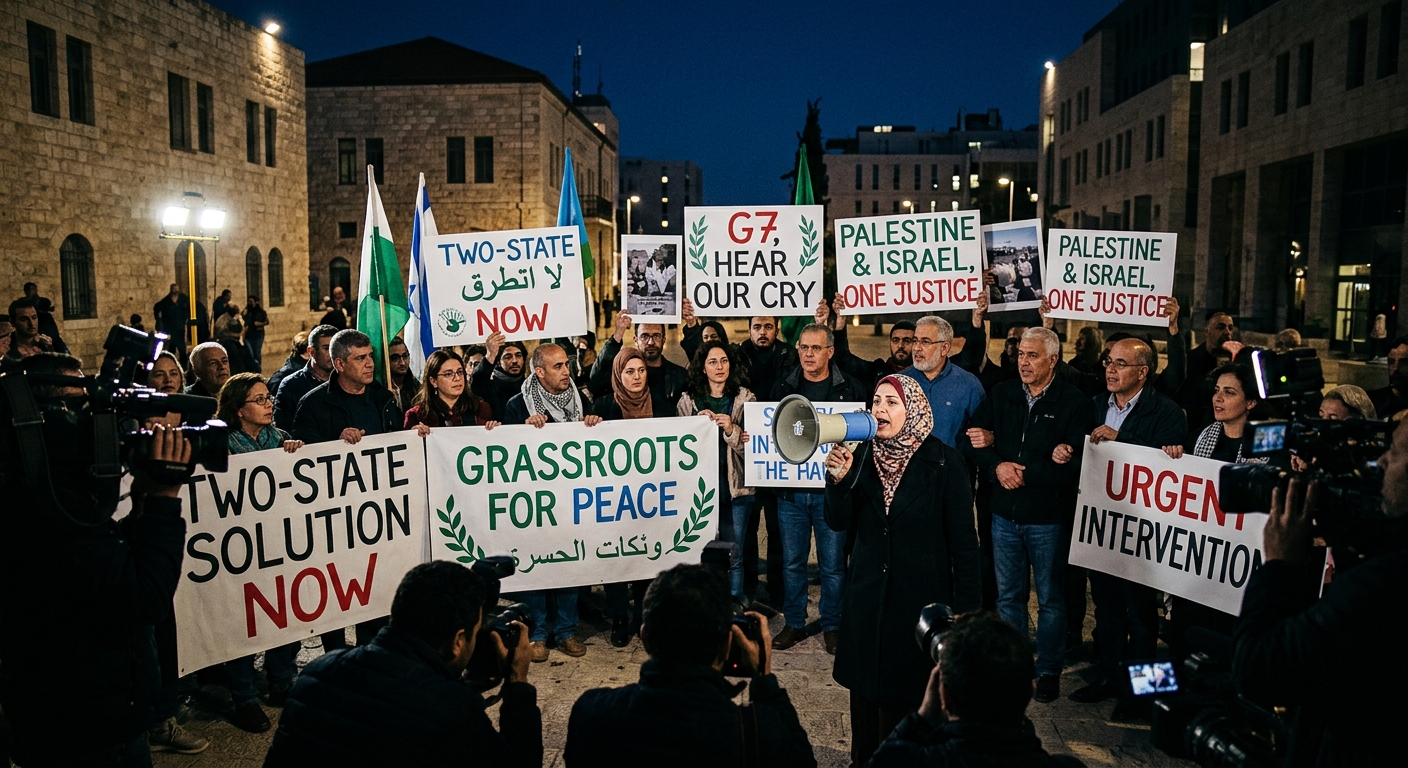
Grassroots groups urge G7 to intervene as two-state solution falters.
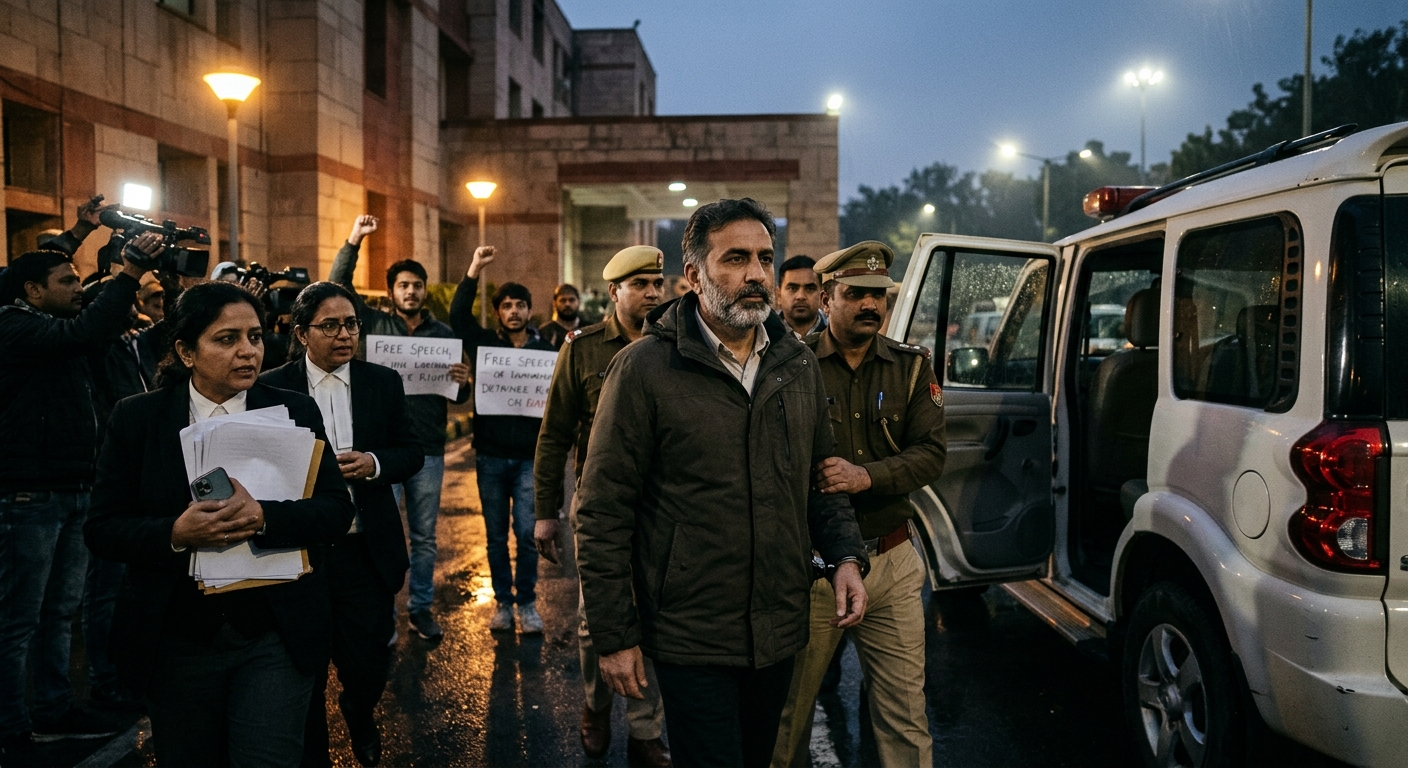
Delhi High Court's bail ruling for Khurram Parvez challenges India's UAPA laws.
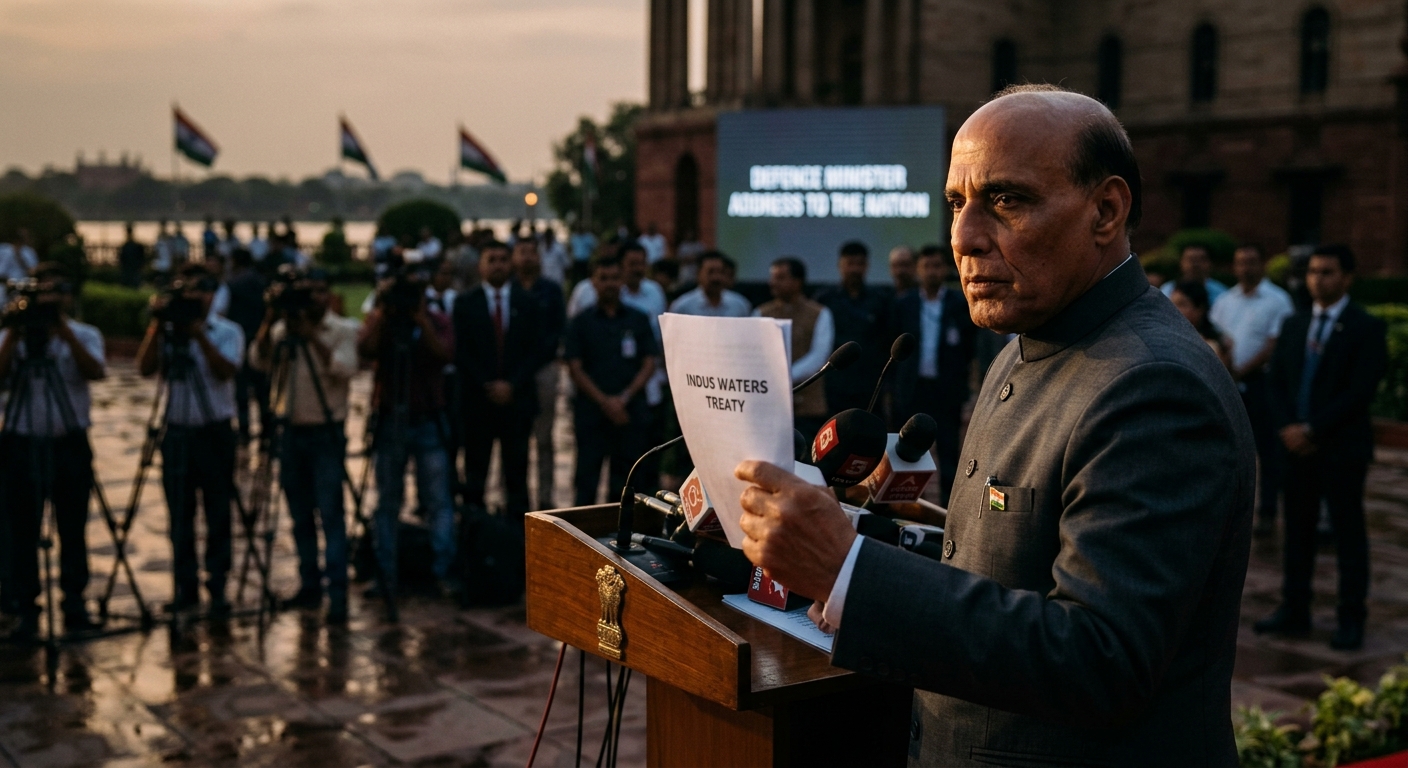
India's Defence Minister declares no water for terror patrons, freezing the Indus Treaty.