South Africa's Coalition Foreign Policy Clash
ANC-DA tensions over foreign policy escalate amid accusations.
Model Diplomat4 min readafrica
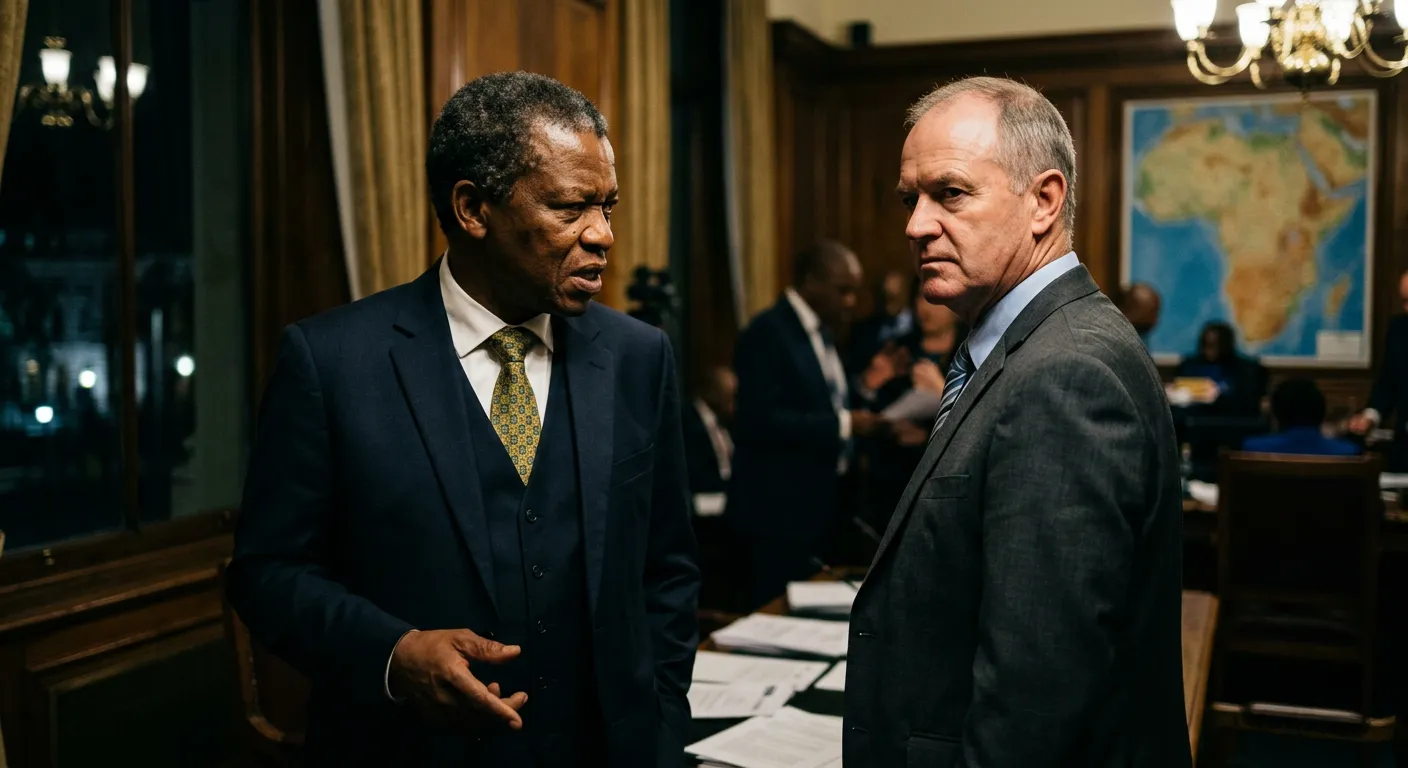
South Africa's Coalition Is Fighting a Foreign Policy Proxy War — and Neither Side Has Evidence
The ANC-DA coalition is divided over Russia, Ukraine, and the ICJ genocide case. The real fight is over who controls South Africa's diplomatic machinery — and whose constituency sets the terms.
The Government of National Unity is barely six months old and already its two largest partners are trading accusations over foreign policy that neither can substantiate. In late October and early November 2024, three flashpoints detonated in quick succession: Ramaphosa calling Russia a "valued friend" at the BRICS summit in Kazan, DA Home Affairs Minister Leon Schreiber unilaterally announcing visa-free travel for Ukrainian diplomats, and DA Federal Council chair Helen Zille claiming — without evidence — that the ANC's foreign policy positions are purchased by Iran and Russia.
The presidency immediately rebuked Schreiber. "It is unclear how the minister can announce the signature of an international agreement without prior formal authorisation to do so," Ramaphosa's spokesperson Vincent Magwenya responded, and Foreign Minister Ronald Lamola walked the announcement back, saying the agreement was "yet to be concluded and signed," according to the BBC.
The ring-fence that started it all
The structural problem predates these incidents. During coalition negotiations, the ANC made one demand non-negotiable: it would retain the Department of International Relations and Cooperation (DIRCO). Zille described the ANC as "obsessive" about keeping the portfolio and concluded — by her own admission, "I have no evidence whatsoever" — that the ANC "gets funded by these rogue regimes," naming Iran and Russia, as The Mercury reported.
What Zille omits is that the ANC's control of DIRCO is entirely predictable. The party has treated international relations as an extension of its liberation-movement identity for 30 years: solidarity with Palestine, non-alignment that tilts toward Moscow, and Pan-Africanism. As Stephen Grootes notes in the Daily Maverick, the ICJ genocide case against Israel is "entirely consistent with the ANC's long-standing view of the situation in the Middle East." Thirteen countries have since joined the case — Spain among them, which rather undercuts the Iranian-puppet theory.
The DA's counter-move: the G20 end-run
Blocked from DIRCO, the DA is now attempting to seize foreign policy influence through a side channel. In late November, DA deputy spokesperson Ryan Smith proposed that the inter-ministerial committee on the G20 — which includes four DA ministers — should serve as "the GNU foreign policy engine room," according to the Mail & Guardian. The proposal landed badly. Senior government sources described the accompanying letter to Ramaphosa as "condescending" and reiterated that foreign policy "would not be reviewed to appease coalition partners."
The DA has a point about coalition governance: the GNU's Statement of Intent commits partners to "sufficient consensus," which requires 60% support from member parties. On paper, that should mean foreign policy is contested terrain. In practice, the ANC holds both the presidency and DIRCO, and Lamola — unlike his predecessor Naledi Pandor — is seen as less ideologically pugnacious. Chatham House assessed that Lamola's appointment "will likely see a foreign policy more focused on the national economic interest," though the broad contours of ANC doctrine will hold.
The funding question that cuts both ways
Zille's allegations are theatrically thin — she told The Mercury readers should "join the dots" — but the underlying question is legitimate. The ANC has received funding from a mining company owned by a Russian oligarch. The DA has faced its own questions about donations linked to pro-Israel interests, particularly after then-leader Mmusi Maimane's controversial 2017 trip to Israel and Palestine. Neither party has produced a transparent accounting of whether donor money shapes diplomatic positions.
The Institute for Security Studies warns that the real risk isn't any one dispute — it's that "a lack of consensus could lead to a less decisive, incoherent approach" just as South Africa assumes the G20 presidency. The ISS suggests the ANC and DA could negotiate a grand bargain: ring-fence foreign policy for the ANC in exchange for DA influence on domestic portfolios like health and education. That trade has not happened.
What to watch
The G20 presidency, which South Africa assumed in December 2024, is the next pressure point. Ramaphosa intends to use it to push UN Security Council reform and amplify the Global South's voice. The DA wants it to prioritise African Union and SADC institutional reform. If the DA uses its G20 inter-ministerial committee seats to publicly contradict ANC positions, the coalition's stability will face its most severe test yet. The ICJ case against Israel moves forward regardless — but watch whether Lamola's lower-key stewardship survives the first major diplomatic crisis that forces the coalition partners to take opposing public st
Discover more
US Politics
Congress Targets AI Chatbot Access for Terror
The House passed the Generative AI Terrorism Risk Assessment Act, focusing on AI's role in terrorism and potential surveillance implications.
Global Politics
US Proposes Pakistan for Iran Talks Amid Ties
The US-Iran negotiations are now mediated by Pakistan, highlighting Islamabad's strategic role and the implications for regional diplomacy.
US Politics
SNAP Food Assistance Faces Legal Challenges
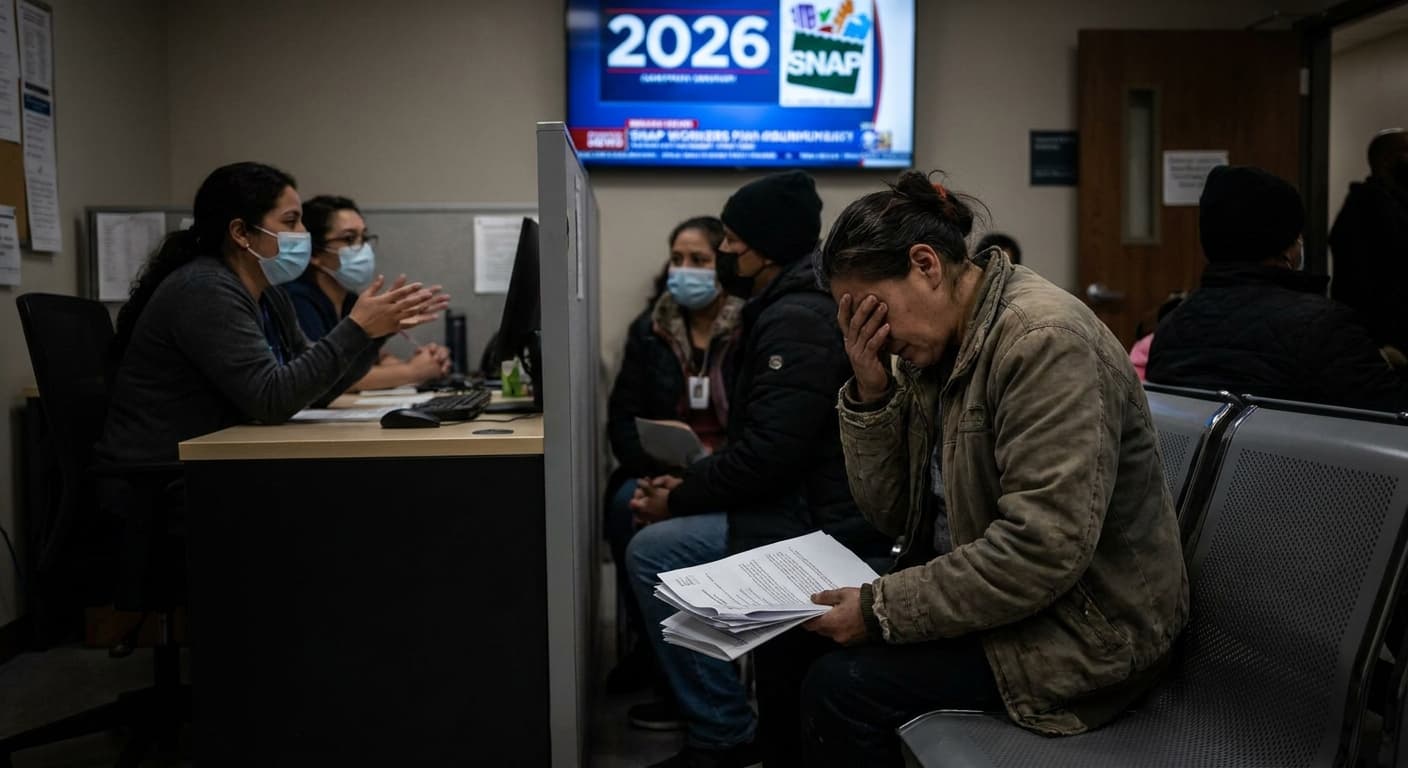
In 2026, SNAP faces stricter eligibility rules and mounting legal challenges, threatening food assistance for the millions of Americans who rely on the program.

Conflict & Security
Drone Warfare Killing Aid Workers at Unprec
Over 1,000 humanitarian workers killed in three years as cheap armed drones collapse legal protections. Gaza, Sudan, Ukraine, and DRC see deliberate targeting of aid convoys and hospitals with zero prosecutions.