US-Iran Tensions: Tankers in Strait of Hormuz
Iran-linked tankers challenge US maritime blockade efforts
Model Diplomat3 min readMiddle East

US-Iran Tensions Heat Up as Iran-Linked Tankers Transit Strait of Hormuz
Three Iran-linked tankers crossed the Strait of Hormuz despite US claims of a maritime blockade, underscoring persistent challenges in enforcing sanctions and the risks to global oil flows.
On April 15, 2026, amid escalating tensions between the US and Iran, three tankers linked to Iran sailed through the strategically vital Strait of Hormuz. This comes as the US asserts it has effectively halted Iran’s maritime trade through a naval blockade aimed at curbing Tehran’s revenue streams. However, the passage of these vessels signals both the limits of US enforcement and Tehran’s continued resilience in circumventing sanctions. Seven or more ships transited the strait this week, with three confirmed to have Iranian affiliations, raising fresh concerns about maritime security and oil market stability.
Why the Strait of Hormuz Matters More Than Ever
The Strait of Hormuz is a narrow chokepoint through which roughly 20% of the world’s oil transits. Any disruption here ripples through global markets, impacting oil prices and energy security. For Iran, the strait is not just a trade corridor but a geopolitical lever. Controlling or threatening traffic in Hormuz has long been a tactic Iran uses to push back against economic pressure and US influence in the Middle East.
The US blockade is part of Washington’s "maximum pressure" campaign to force Iran to abandon its nuclear ambitions and regional proxies by cutting off its main source of foreign exchange—oil exports. Since re-imposing sanctions post-2018 withdrawal from the Iran nuclear deal, the US has aggressively tried to strangle Iran’s sea-based trade networks. Despite this, Iran has shown remarkable ingenuity through tanker swaps, use of ghost ships, and beneficial ownership layers to evade detection and keep exports flowing.
The transit of three Iran-linked tankers in this environment signals that Washington’s blockade, while impactful, is not foolproof. It highlights the cat-and-mouse nature of maritime enforcement, where Iran can still rustle shipments under the noses of the US Fifth Fleet, which operates in the nearby Arabian Gulf and Gulf of Oman.
Broader Regional and Global Implications
This development has immediate implications for the energy market. Oil prices remain volatile, with traders sensitive to any news from Hormuz. Disruptions or threats to tankers can push prices higher, feeding into inflation concerns globally, including in import-dependent economies like India. India’s energy security is particularly at stake: it imports about 80% of its oil, with the Middle East accounting for nearly 60% of that. The stability of shipments through the Strait of Hormuz directly impacts India’s economy and strategic calculations.
Regionally, the US-Iran faceoff spills over into other flashpoints. Israel’s recent strikes in Lebanon and rising tensions in the UAE signal that this diplomatic stalemate carries broader security risks. A miscalculation or unintended incident in the strait could trigger a wider conflict, drawing in Gulf Arab states and major powers. For the US, maintaining freedom of navigation here is both a security interest and a signal of its regional presence amid growing Chinese and Russian influence.
What to Watch Next
Attention now shifts to three key uncertainties:
-
US Enforcement Tightening: Will Washington increase naval patrols or impose tougher sanctions on shipping networks connected to Iran? The effectiveness of enforcement will be a big determinant of whether Iran’s maritime trade dims further or adapts successfully.
-
Iran’s Strategic Moves: The pattern of tanker transits, ship-to-ship transfers, and emerging ship registration schemes will reveal how Tehran navigates the blockade. Iran’s capacity to expand its trade routes around the Arabian Sea or through friendly Gulf proxies will be crucial.
-
Oil Market Volatility: Traders will be closely watching incidents in the strait for signals of disruption or escalation. Even isolated tensions can amplify price swings, impacting economies worldwide.
In the near term, this episode serves as a reminder that despite aggressive US sanctions and blockade efforts, Iran continues to find ways to exploit maritime routes. The fragile status quo in Hormuz remains a pressure point with outsized implications for global energy, geopolitics, and regional security. Watching the evolving US-Iran naval chess match offers a window into broader shifts in Middle East power dynamics and the limits of economic coercion as a tool of statecraft.
For a deeper dive on how this fits into broader Middle Eastern geopolitics, see our International Politics and
India’s Energy Security profiles.
US Iran war LIVE updates on Strait of Hormuz tankers transit
Discover more

US Politics
Democrats Aim to Curb Trump's Iran War Powers
US Democrats introduce measures to curb Trump's war powers on Iran, demanding congressional approval for military action in a critical test of oversight.

Economics
US Tariffs on Brazil: A Political Play
US imposes 25% tariff on Brazil but exempts 66% of exports, targeting manufactured goods ahead of Brazil's October election. Analysis of the political calculus, exemptions, and Brazil's response options.

Economics
US Sanctions Iran's Nobitex Crypto Exchange
US Treasury sanctions Nobitex, Iran's largest crypto exchange, for processing billions in stablecoins for the central bank and IRGC, extending secondary sanctions risk to foreign platforms.
Tech Policy
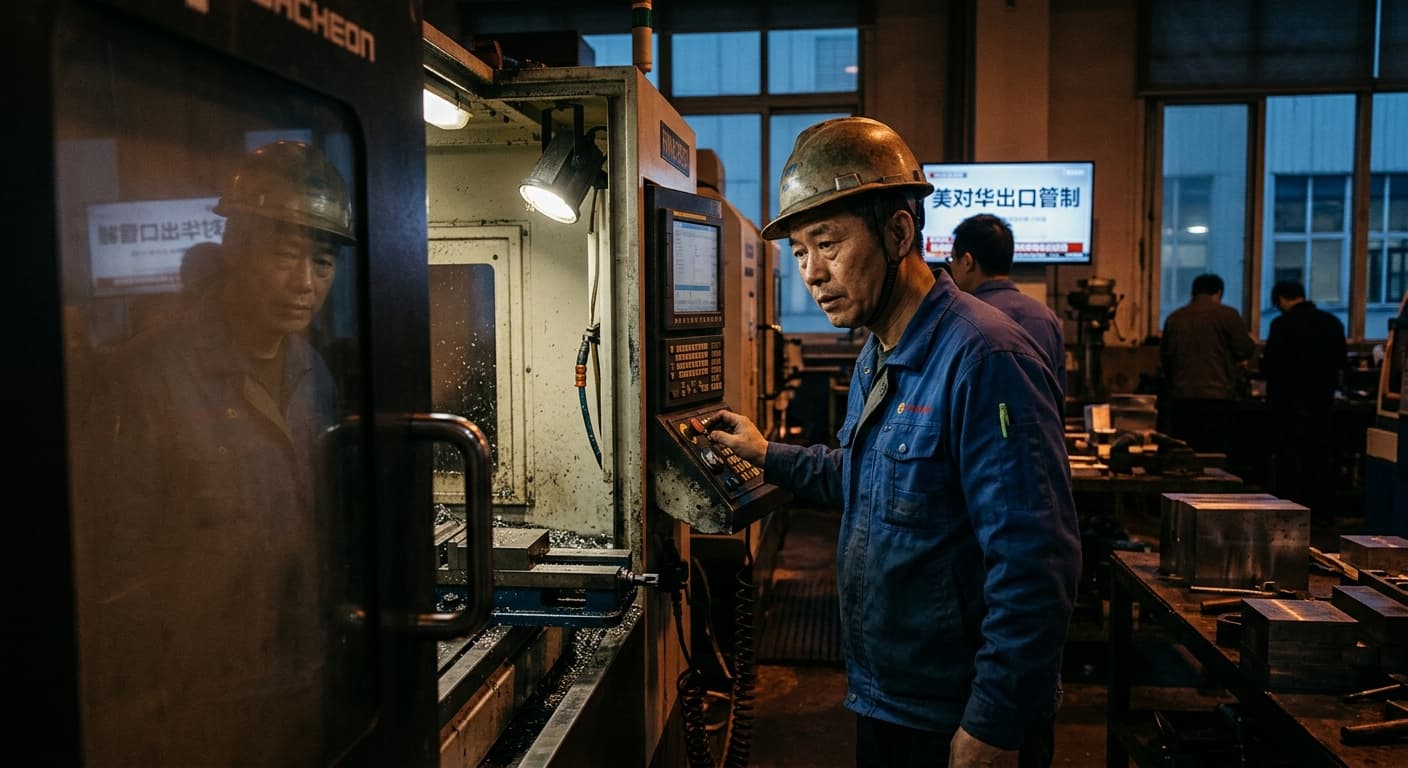
US Restarts China Export Controls With 52-Ent
US Commerce Department adds 52 Chinese entities to Entity List and tightens controls on five-axis CNC machine tools, ending eight-month enforcement pause after Trump-Xi Busan truce.