U.S.-Iran Diplomacy Amid 2026 Tensions
Exploring the fragile U.S.-Iran talks and regional implications.
Model Diplomat3 min readMiddle East

U.S.-Iran Standoff Sharpens with Talks on the Brink and Regional Fallout
President Trump signals possible restart of U.S.-Iran diplomacy amid a tense blockade and expanding regional confrontations, complicating Middle East stability.
The U.S. political and economic discourse today prominently features a renewed, though fragile, U.S.-Iran diplomatic effort that comes against the backdrop of escalating tensions and military standoffs. President Donald Trump hinted on April 14, 2026, that direct talks with Iran could resume within days, possibly in Pakistan, marking a critical juncture in a conflict marked by a naval blockade of Iranian ports and disputes over Tehran’s nuclear program. This development stands alongside rising diplomatic activity in the broader Middle East, notably the first direct talks between Israel and Lebanon in decades, underscoring Washington’s push to manage multiple interlinked regional crises simultaneously CNN,
Washington Post.
Why It Matters: A High-Stakes Gambit in U.S. Foreign Policy
The potential resumption of talks follows a collapse of prior negotiations primarily over Iran’s nuclear enrichment policy—a red line for the United States. Trump’s administration demands suspension of uranium enrichment and the dismantling of major nuclear facilities, alongside lifting the blockade at the Strait of Hormuz, a chokepoint critical for global oil flows. The talks could decide whether the current standoff evolves into a negotiated de-escalation or spirals into broader conflict.
This dual-track approach—combining coercive measures like expanded secondary sanctions targeting foreign institutions that aid Iran and a naval blockade—with an open door to diplomacy is emblematic of U.S. policy under Trump. Domestically, the administration faces pressure from figures like Senator Lindsey Graham who advocate for a hard-line approach, emphasizing military and economic pressure over concessions USA Today.
The larger geopolitical stakes are layered: The blockade and sanctions strain Iran’s economy but also escalate military risks in the Gulf. Meanwhile, U.S. Secretary of State Marco Rubio’s parallel facilitation of talks between Israel and Lebanon signals Washington’s attempt to stabilize multiple flashpoints. However, Israel’s refusal to agree to a ceasefire in southern Lebanon highlights how fragile regional peace remains, with Hezbollah—as Iran’s ally—looming as a key destabilizing actor CNN.
What to Watch Next
- Diplomatic timeline: The impending ceasefire expiration next week raises the urgency in whether a new round of U.S.-Iran talks actually starts and yields substantive progress. The role of Vice President JD Vance in leading these negotiations could mark a shift in diplomatic style or emphasis.
- Economic impact: Watch the effects of secondary sanctions on foreign banks and whether oil export waivers for Iran are allowed to expire fully. These financial pressures will deeply affect Iran’s regime calculus and potentially global energy markets.
- Regional conflict dynamics: The Israeli-Lebanese negotiations’ follow-up is critical to see if Washington’s diplomatic push can hold, especially amid ongoing military skirmishes and Iran-backed proxy maneuvers.
- U.S. domestic politics: Congressional and political criticism around the administration’s Iran policy could shape what leverage Trump has to follow through on diplomacy versus pressure tactics.
This moment recalls elements of past U.S.-Iran confrontations, such as the 2015 nuclear deal negotiations preceded by intense sanctions and brinkmanship. Yet, the layered regional conflicts and domestic pressures make this round particularly complex. The U.S. stands at a crossroads, with strategic patience or escalation both carrying significant risks.
For those tracking U.S. foreign policy and Middle East stability, this underscores how interconnected diplomacy, military posturing, and economic sanctions remain in shaping global security today.
For more on related topics, see our Global Politics and
United States profiles.
Discover more
Global
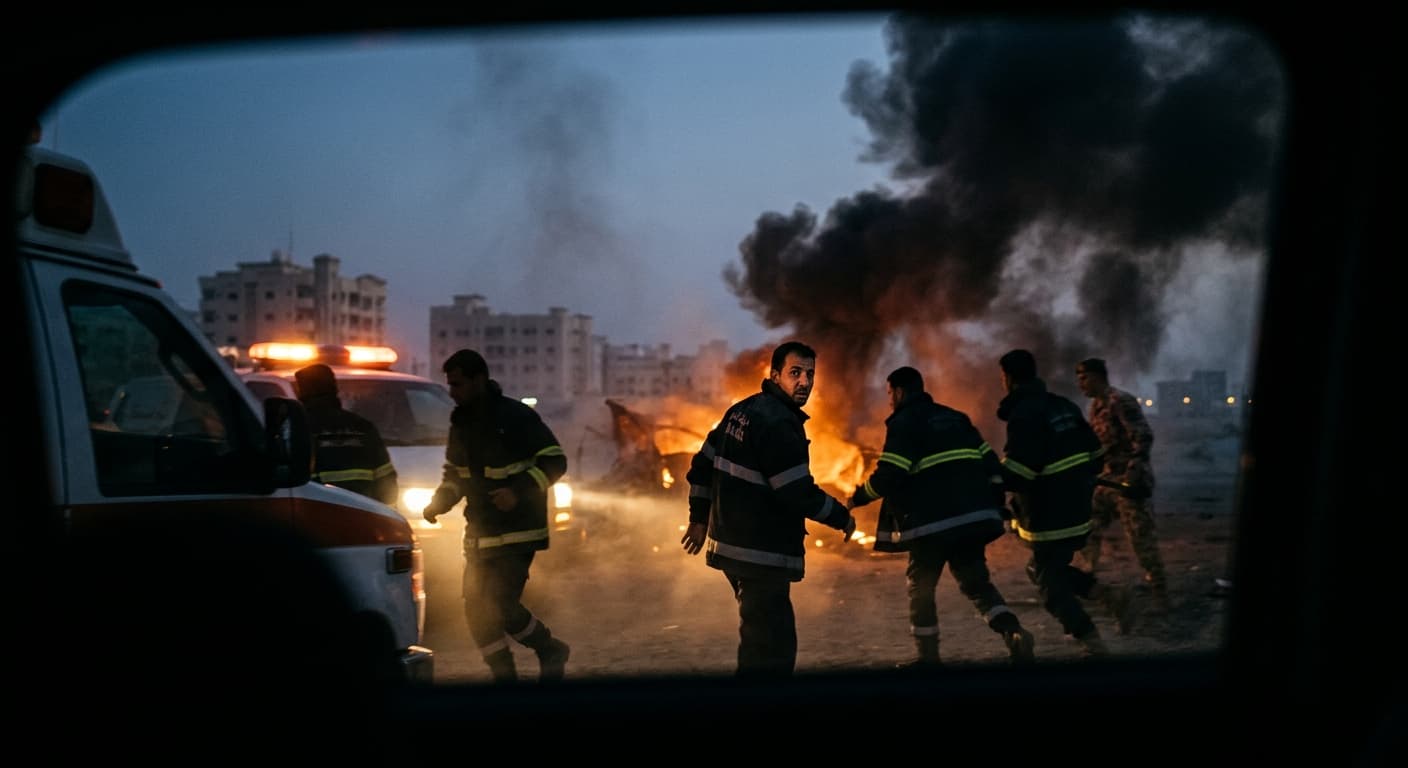
Iran Strikes Bahrain and Kuwait Amid US Ties
Iran's IRGC claims missile strikes on 85 US sites in Bahrain and Kuwait after the US revokes its oil sales license, escalating regional tensions.
International Relations
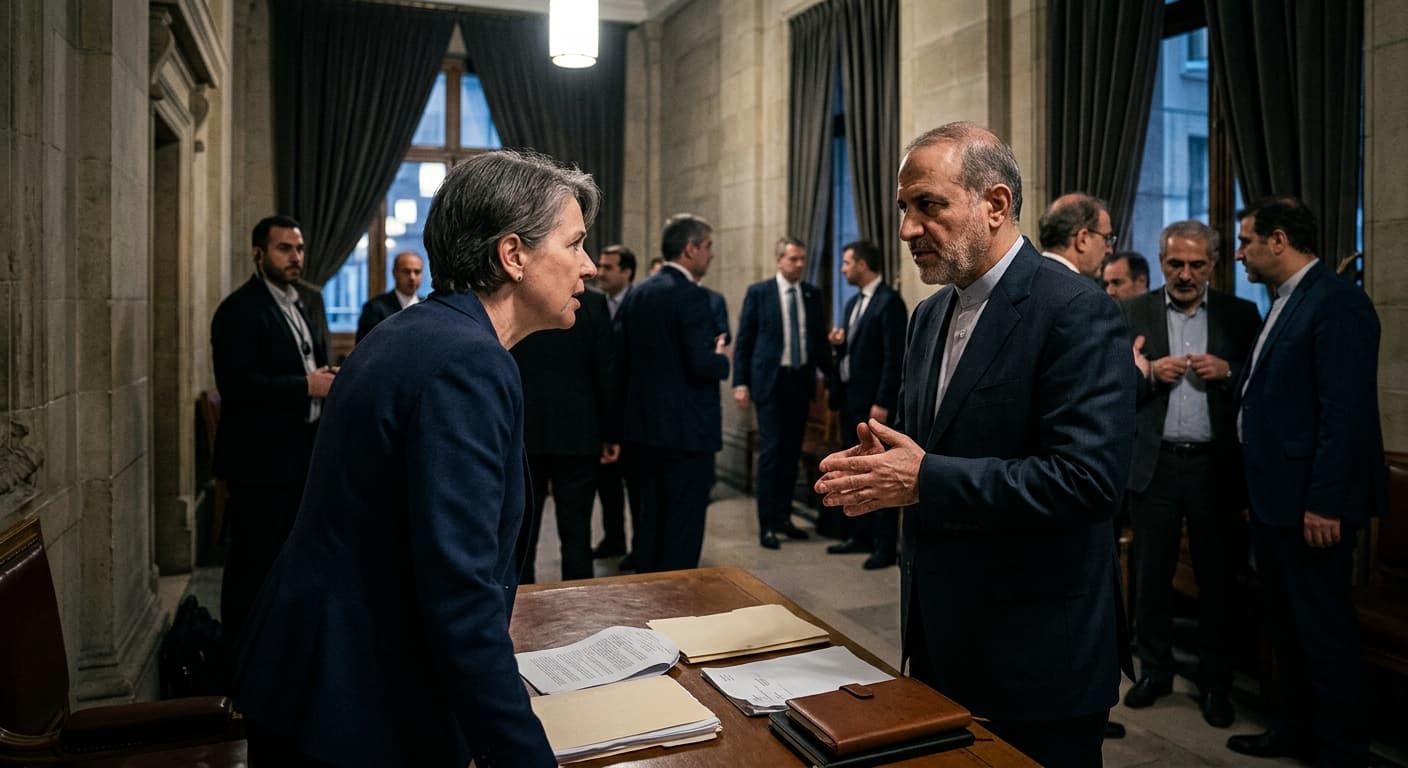
US-Iran Talks: Disputed Agreements Unveiled
US-Iran talks expose deep disagreements over nuclear inspections and sanctions relief, leaving any agreement uncertain as both sides hold firm on core demands.
Global Politics
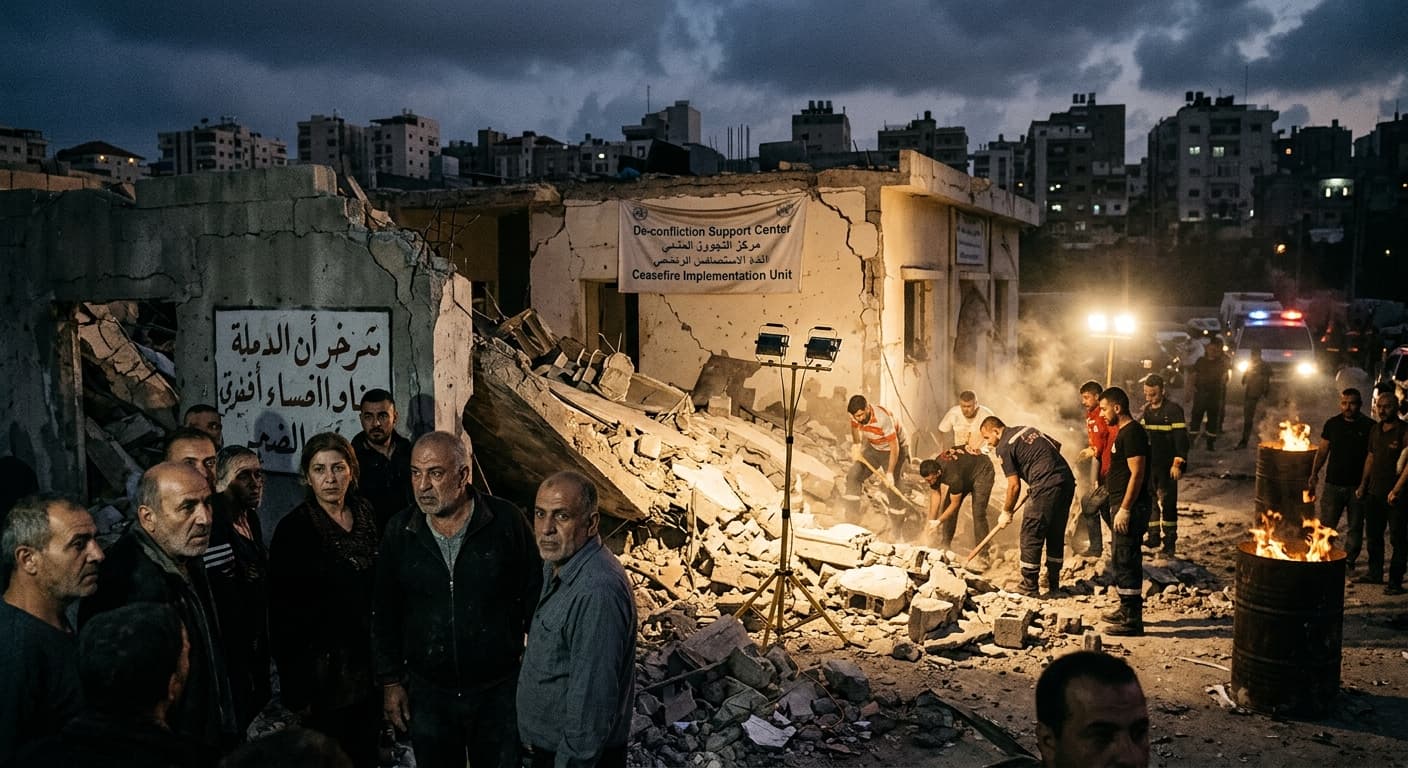
Iran's De-confliction Cells Face Lebanon Test
The US-Iran ceasefire's de-confliction cells face an early test as Israel presses strikes in Lebanon, straining the fragile deal and wider US-Iran relations.
International Relations
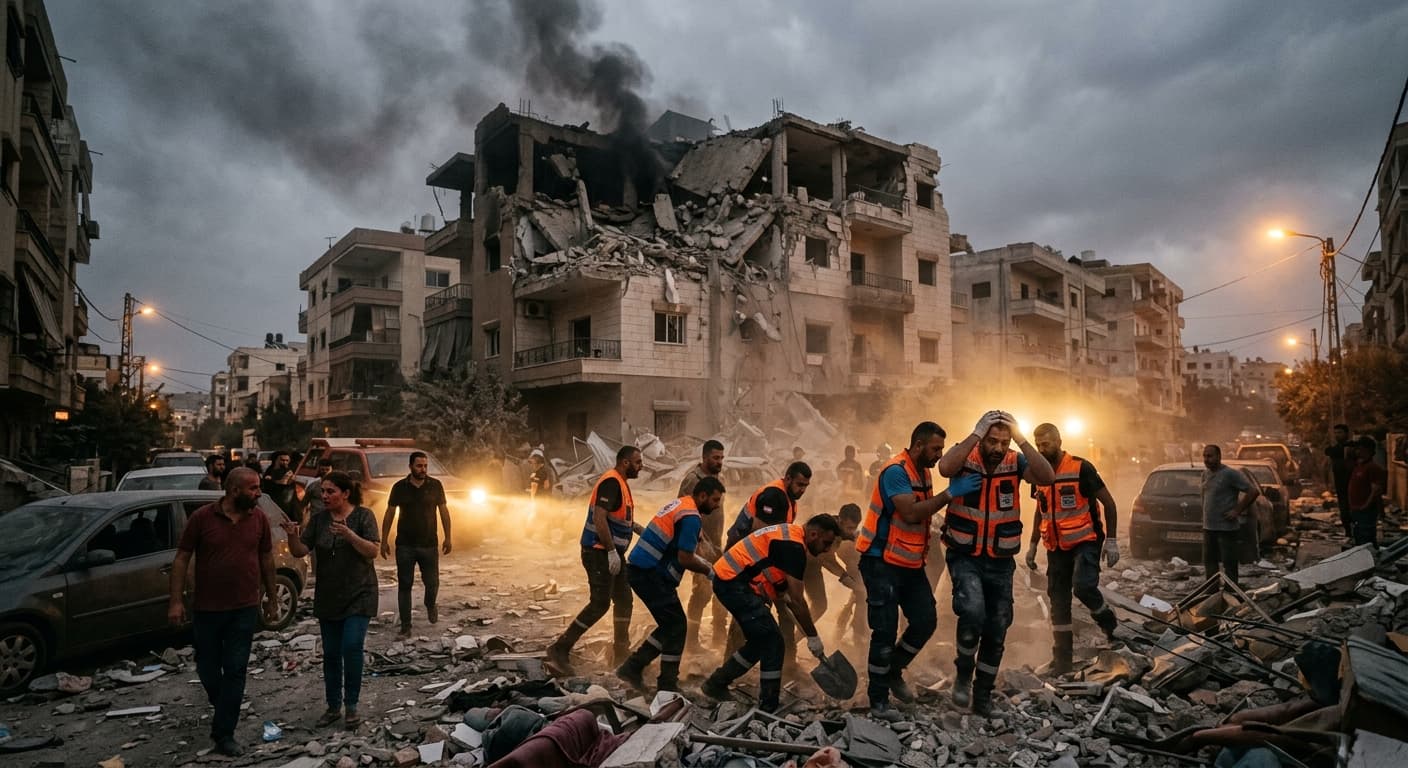
Nabatieh Ceasefire Unravels Amid Attacks
Israeli airstrikes resumed in southern Lebanon, killing 16 near Nabatieh as a fragile ceasefire with Hezbollah collapses and regional tensions escalate.