Historic US-Brokered Israel-Lebanon Talks
First direct dialogue in decades raises hopes for peace
Model Diplomat3 min readMiddle East

US Hosts Rare Israel-Lebanon Talks, Progress Unclear
For the first time in decades, Israel and Lebanon sat down in Washington, opening a rare direct dialogue brokered by the US, but no breakthrough agreement emerged.
On April 14, 2026, Secretary of State Marco Rubio convened direct talks between Israeli and Lebanese representatives in Washington—the first official dialogue between the two neighbors in over 30 years. Both sides described the discussions as “constructive,” yet no concrete framework, timeline, or roadmap toward formal negotiations or lasting peace was produced. The meeting marks an unusual diplomatic milestone given the suspended state of their relations since the 1980s and repeated military confrontations fanned by Hezbollah’s role in Lebanon.
Why This Matters: Breaking a Long Silence
Since Israel’s 1948 independence and especially following the Lebanese Civil War (1975-1990) and the Israeli invasions of Lebanon (notably 1982 and 2006), direct high-level talks between the two governments have been virtually nonexistent. This dialogue breaks a historical taboo. Typically, Lebanon under Hezbollah’s political influence has refused formal contacts with Israel, viewing it as an occupying force. Israel, for its part, sees Hezbollah as a terrorist proxy that destabilizes Lebanon and threatens northern Israeli communities.
That the US-led talks took place signals Washington’s strategic attempt to reduce regional tensions and isolate Hezbollah by encouraging Lebanese state actors to engage directly with Israel. Secretary Rubio’s involvement points to a heightened American focus on the Levant, amid rising instability in the Middle East including Iran’s expanding influence in Lebanon and Syria. This meeting also aligns with Israel’s priority to secure its northern border and curb Hezbollah’s military capabilities without resorting to full-scale conflict.
The "constructive" tone from both sides suggests some minimum shared interest in managing conflict, possibly building on previous indirect negotiations such as the maritime border talks that have allowed limited resource sharing without formal peace agreements. However, the failure to announce any timetable or commitments reveals deep mistrust and unresolved core issues—most notably questions of sovereignty, security guarantees, and Hezbollah’s armed status.
What to Watch Next: From Talks to Tangible Steps
The big question now is whether these rare face-to-face engagements mark the start of a sustained, meaningful peace process or remain a one-off diplomatic gesture. Key indicators will include:
- Follow-up meetings: Will the US host subsequent sessions focused on specific issues like border demarcation, prisoner exchanges, or disarmament?
- Hezbollah’s stance: Lebanon’s internal politics hinge on Hezbollah, which profoundly shapes the government’s ability to negotiate with Israel. A more conciliatory or at least pragmatic position by Hezbollah would be a game changer.
- Regional dynamics: The role of Iran, Syria, and Gulf states could tip the balance—either facilitating or obstructing progress depending on how they view the evolving Israel-Lebanon relationship.
- Domestic reactions: In Israel, Prime Minister
Benjamin Netanyahu must gauge public and parliamentary support. In Lebanon, Prime Minister Najib Mikati is walking a delicate line managing pro-Western and pro-Hezbollah factions.
For now, the absence of concrete outcomes does not diminish the symbolic significance of the talks. After decades of entrenched hostility, the door to dialogue has creaked open. But turning conversations into a durable peace will require bridging not just political but existential divides that have haunted Lebanon and Israel since the last century.
For readers interested in how this development fits into broader regional trends, see our Middle East Conflict briefing. For background on US diplomatic initiatives in the Levant, visit our
Global Politics page.
Discover more

Global Politics
Trump Signals US-Iran Talks Amid Israel Strik
Trump suggests US-Iran talks could resume in Pakistan as Israel escalates strikes on Lebanon, underscoring deepening instability across the Middle East.

Conflict & Security
Drone Warfare Killing Aid Workers at Unprec
Over 1,000 humanitarian workers killed in three years as cheap armed drones collapse legal protections. Gaza, Sudan, Ukraine, and DRC see deliberate targeting of aid convoys and hospitals with zero prosecutions.
Global
World Normalises Taliban as Afghan Women Eras
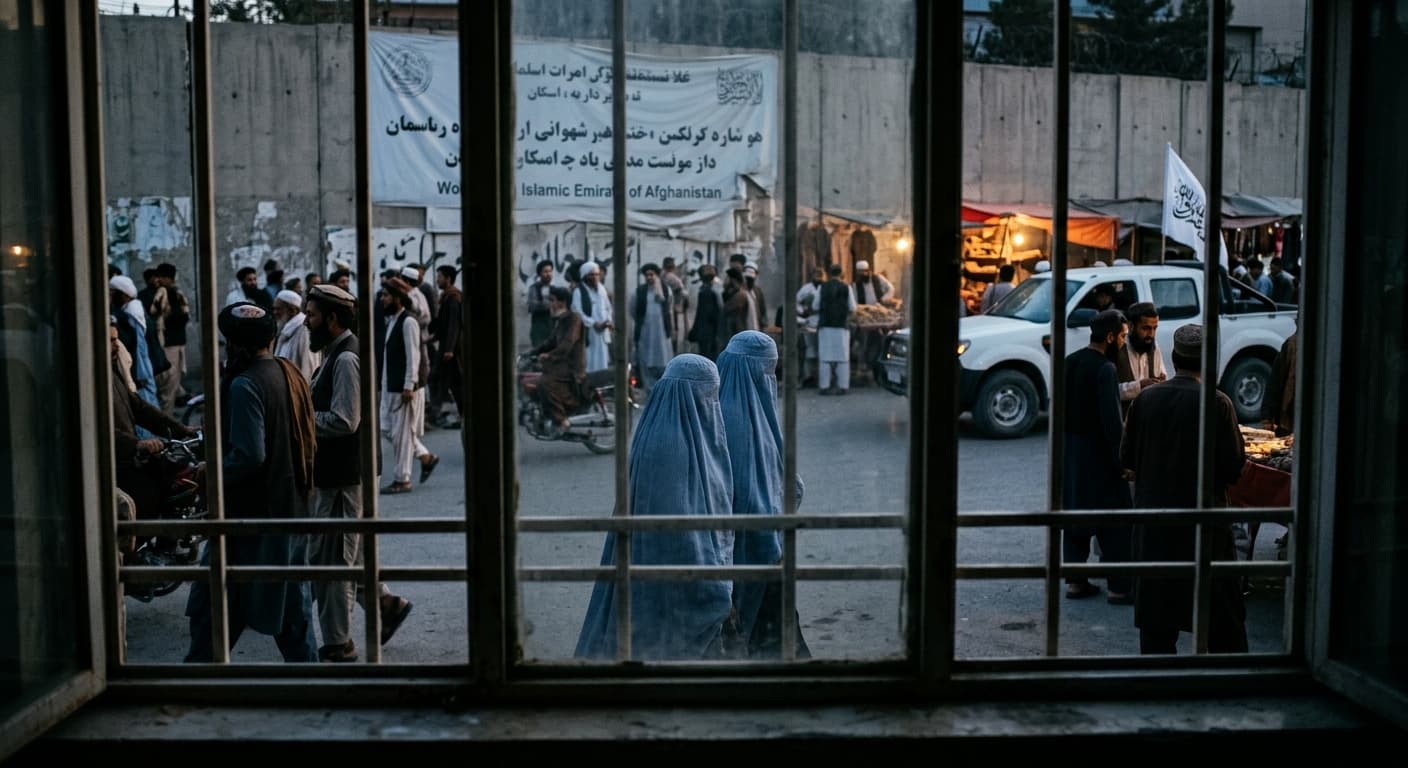
UN data shows Afghan women erased from public life as Russia recognises the Taliban, EU hosts officials in Brussels, and ICC warrants for gender persecution go unenforced.
Conflict & Security
West Africa Food Crisis: Three Shocks in 2026
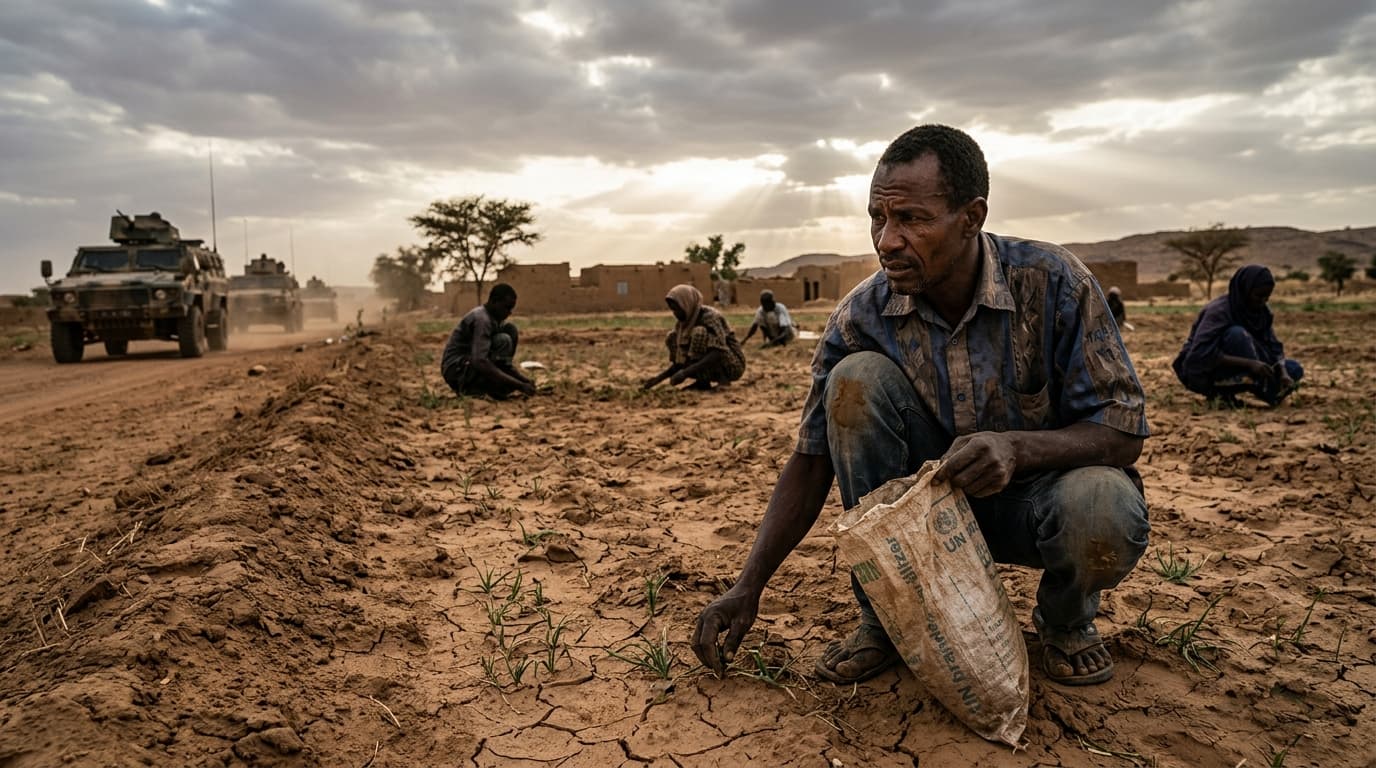
Conflict, climate extremes, and the Strait of Hormuz closure drive a severe food crisis in West and Central Africa, with fertilizer prices surging 80% and millions displaced.