U.S. Blockade of Iranian Ports Escalates Ties
Escalating U.S.-Iran tensions with a new naval blockade
Model Diplomat3 min readMiddle East
U.S. Blockade of Iranian Ports Escalates Middle East Tensions
The U.S. announced a blockade of Iranian ports on April 14, marking a sharp turn in its Iran policy with broad geopolitical ripple effects.
On Tuesday, April 14, former President Donald Trump claimed that the United States has begun a blockade of Iranian ports, a move that significantly escalates U.S.-Iran tensions. This development comes amid a continuing deadlock over Iran’s nuclear ambitions and regional activities, and it raises the stakes for conflict in the Persian Gulf, a critical nerve center for global energy supplies. Also in the political spotlight are domestic controversies involving Representative Eric Swalwell and Trump’s recent self-portrayal as a Jesus figure—both feeding into complex narratives about U.S. leadership and divisions.
Why the Blockade Matters
A naval blockade is one of the most aggressive economic and military tools short of outright war. By effectively sealing off Iran’s ports, the U.S. would be aiming to choke Tehran’s economy and restrict its ability to export oil and import crucial goods, thereby increasing pressure on the regime. This kind of move is rare and historically significant: previous blockades, such as those during the Cuban Missile Crisis or the Gulf War, have been preludes to major conflict or coercive diplomacy.
Iran heavily depends on its Persian Gulf ports for oil exports, which fund much of its regional activities, from proxy groups in Lebanon and Yemen to nationalist maneuvers in Iraq and Syria. Any disruption hits Tehran's economic lifelines and could force it into a sharper confrontation with the U.S. and its allies. For global markets, the risk of supply chain shocks in oil—already volatile—could ripple across energy prices worldwide.
The timing is critical. This announcement comes at a juncture when diplomatic talks about Iran’s nuclear program have stalled, and the regime is accelerating uranium enrichment in defiance of the 2015 nuclear deal framework. The blockade signals that the U.S. administration, likely led by hardliners, is shifting from diplomacy toward containment or confrontation.
Broader Regional and Global Implications
Such an escalation intensifies existing fault lines in the Middle East. U.S. allies, notably Israel, Saudi Arabia, and the United Arab Emirates, have long called for tougher measures against Iran. However, a blockade risks provoking Iranian retaliation, potentially disrupting international shipping lanes such as the Strait of Hormuz, through which about 20% of the world's oil passes daily.
Moreover, this move complicates relationships with other global powers invested in the Iranian nuclear file, including European nations, Russia, and China, who generally prefer diplomatic solutions. It raises questions about U.S. coordination with NATO and its Gulf allies and whether a blockade could trigger a wider military conflict or proxy escalations.
What to Watch Next
-
Iran’s Response: Tehran’s immediate actions will be key. Will it escalate military deployments in the Persian Gulf, impose asymmetric responses against U.S. interests elsewhere, or seek rapid diplomatic channels? Its response will shape the risk of conflict.
-
International Reaction: European and Asian trading partners, dependent on Iranian oil and wary of escalation, may call for de-escalation or offer mediation. Observing their diplomatic moves will clarify whether the U.S. coalition around this policy solidifies or fractures.
-
Domestic U.S. Politics: The blockade also plays into broader U.S. political dynamics. Trump’s framing of an assertive foreign policy and his controversial self-comparisons reflect ongoing cultural and political battles. Meanwhile, controversies surrounding figures like Representative Eric Swalwell could affect congressional support for aggressive foreign measures.
This moment resembles other historical flashpoints where economic chokepoints and shows of naval force presaged bigger confrontations. How Washington and Tehran navigate this crisis could determine whether it pivots toward war or renewed negotiations.
For a deeper dive on this topic’s global political context, see Global Politics and for Iran-specific background, visit
Iran.
Sources:
- What to Know for April 14, The Washington Post —
https://www.washingtonpost.com/the-seven/2026/04/14/what-to-know-for-april-14/
Discover more
Global
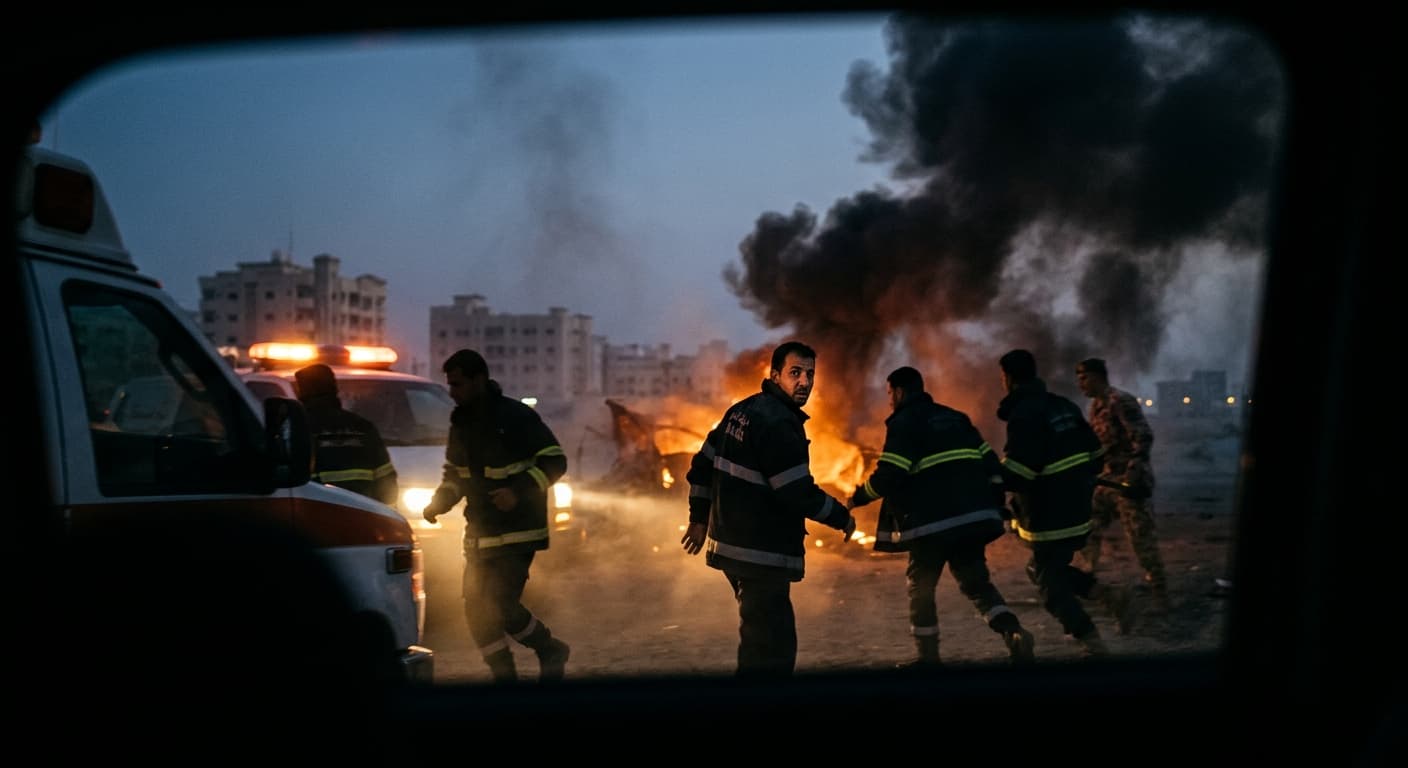
Iran Strikes Bahrain and Kuwait Amid US Ties
Iran's IRGC claims missile strikes on 85 US sites in Bahrain and Kuwait after the US revokes its oil sales license, escalating regional tensions.
International Relations
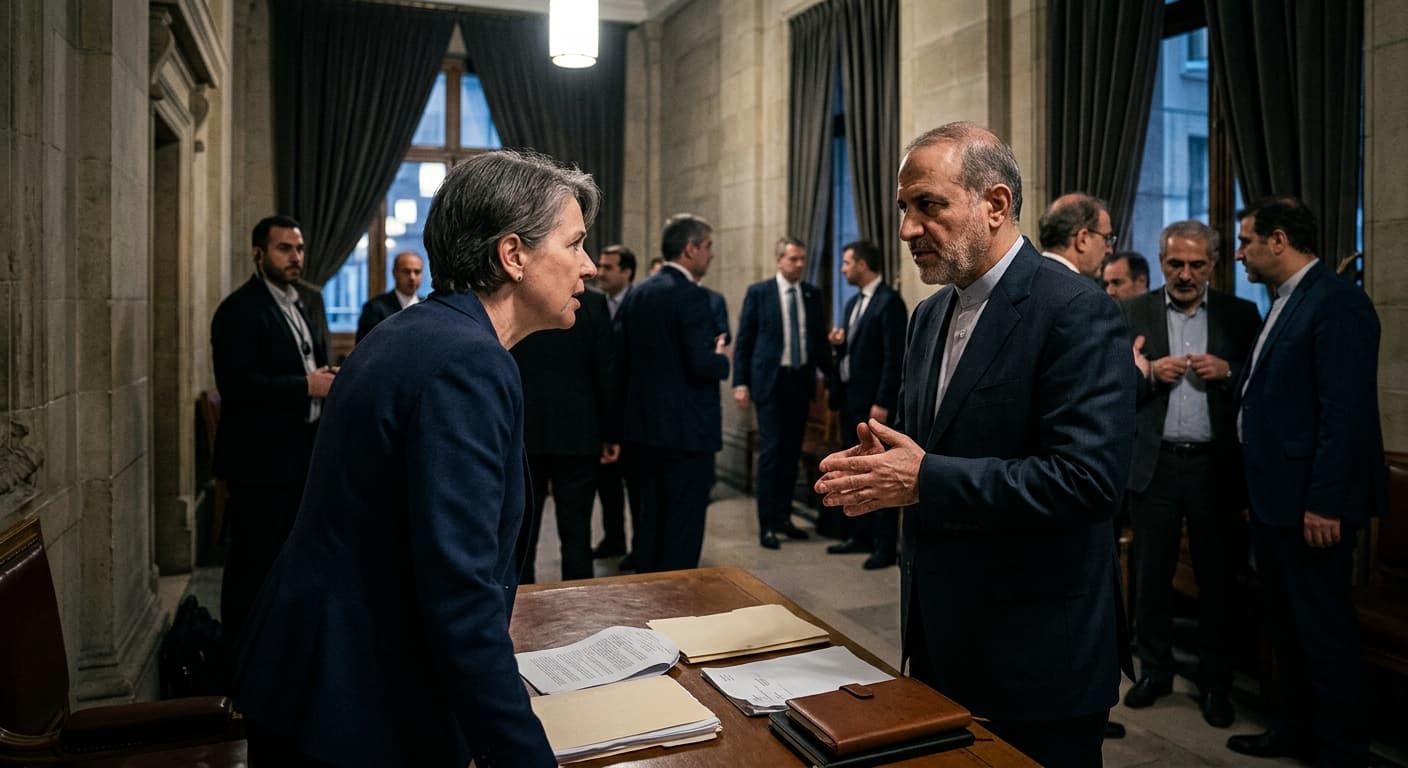
US-Iran Talks: Disputed Agreements Unveiled
US-Iran talks expose deep disagreements over nuclear inspections and sanctions relief, leaving any agreement uncertain as both sides hold firm on core demands.
Global Politics
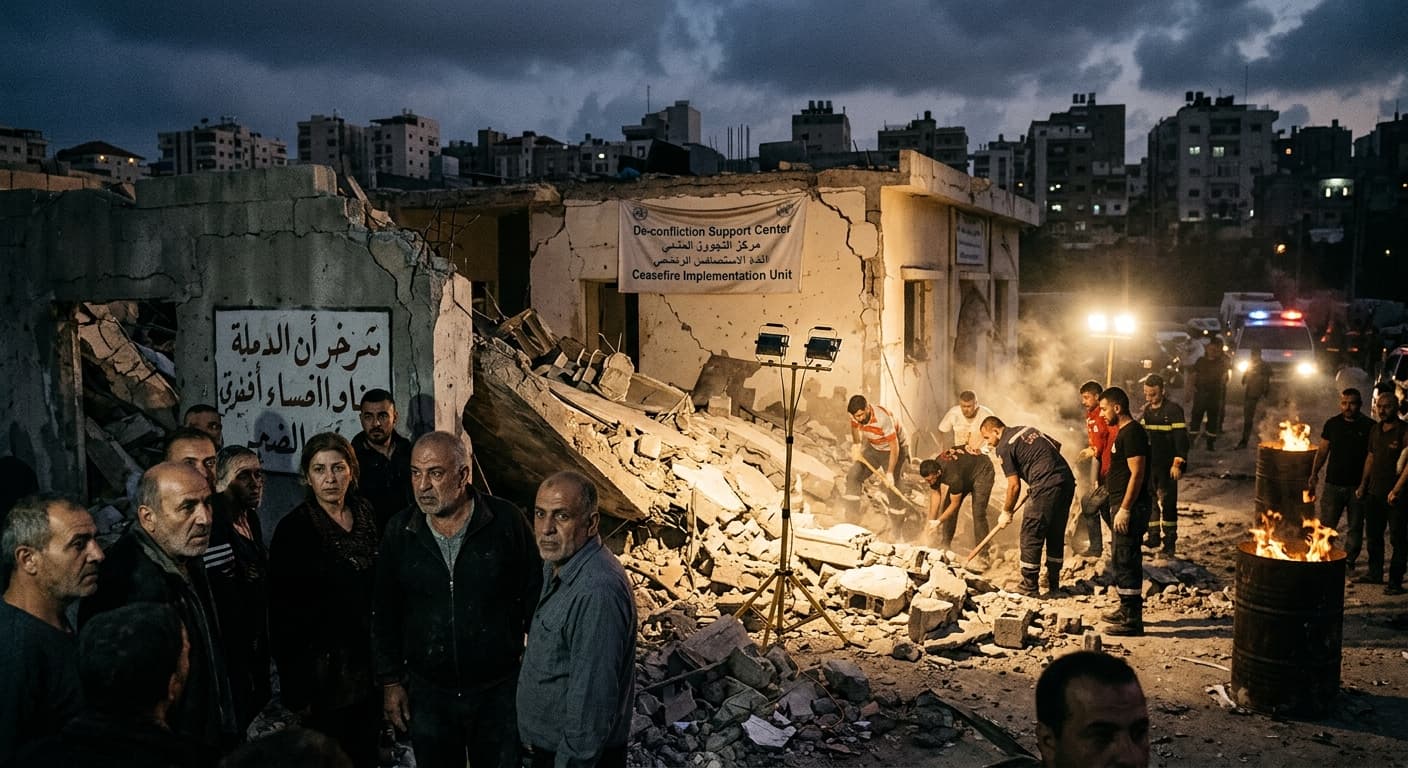
Iran's De-confliction Cells Face Lebanon Test
The US-Iran ceasefire's de-confliction cells face an early test as Israel presses strikes in Lebanon, straining the fragile deal and wider US-Iran relations.
International Relations
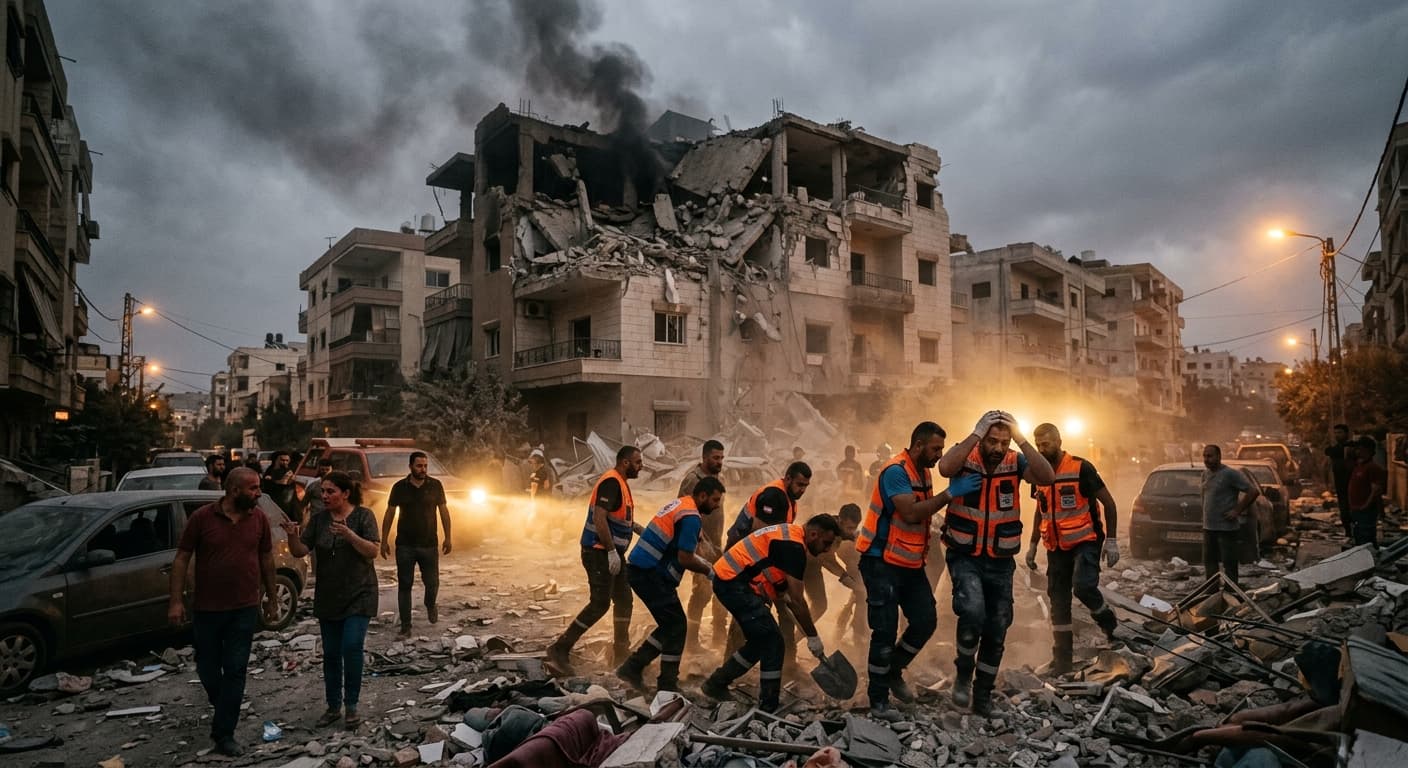
Nabatieh Ceasefire Unravels Amid Attacks
Israeli airstrikes resumed in southern Lebanon, killing 16 near Nabatieh as a fragile ceasefire with Hezbollah collapses and regional tensions escalate.