Vijay's TVK Victory: A New Era in Tamil Nadu
Vijay's TVK emerges as a new power in Tamil Nadu politics.
Model Diplomat3 min readAsia
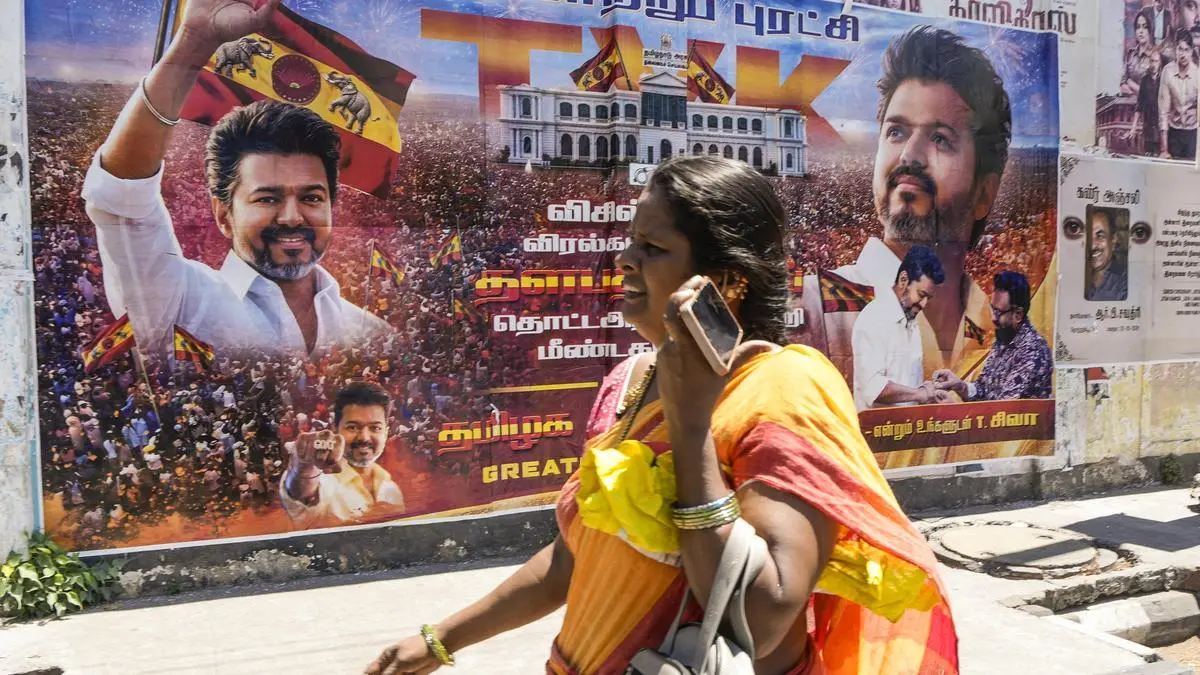
TVK’s 108-Seat Debut Shows Vijay’s Reach—and Risk
Vijay has turned TVK into Tamil Nadu’s new power center; the hard part now is surviving the same pressures that later hollowed out AAP.
TVK’s debut is not just a big win; it is a structural shock to Tamil Nadu politics. Frontline reports that Vijay’s Tamilaga Vettri Kazhagam emerged as the largest party with 108 seats, a result it explicitly compares to AAP’s 67-of-70 sweep in Delhi in 2015 (Frontline). The comparison is apt because both parties rode a leader-first, anti-establishment pitch and converted celebrity or outsider appeal into immediate electoral force. But the warning is just as important: rapid ascent can expose a party before it has built institutions sturdy enough to absorb pressure.
Why the AAP analogy matters
The AAP story is the clearest template for what happens when a new outfit wins faster than it matures. Frontline notes that AAP’s rise in Delhi was followed by years of conflict with the Lieutenant-Governor’s office, repeated central agency scrutiny, the liquor excise case, Kejriwal’s jailing before the 2025 Delhi election, and finally the party’s loss of Delhi to the BJP (Frontline). That sequence matters because it shows that victory alone does not build resilience; it can also enlarge the target.
For Vijay, the upside is obvious. His personal brand has translated into votes quickly, and other coverage suggests the win rests on years of groundwork through fan clubs and issue-based mobilization, not just a last-minute surge (The New Indian Express). That helps explain why TVK could break into a state long dominated by the DMK and AIADMK. It also explains why older parties now have to treat Vijay as more than a protest vote.
The real test is organization, not charisma
This is where AAP’s cautionary tale becomes relevant for India. A leader-driven party can win when the public wants disruption; it struggles when it must govern across districts, factions, and policy arenas. The Hindu’s commentary on TVK’s victory says the result points to a shift in voting among younger and digitally engaged voters, and that many voters backed Vijay’s symbol and party rather than knowing local candidates (
The Hindu). That is a strength on election day and a liability afterward.
The deeper problem is that TVK now inherits expectations that are much larger than a debut win. The Hindu BusinessLine notes that Vijay has promised an ambitious agenda, including benefits aimed at low-income families, and that his victory ends the old two-party equilibrium in Tamil Nadu (The Hindu BusinessLine). Once a party becomes a governing alternative, it must answer the questions that insurgents usually dodge: where the money comes from, who runs the districts, and how discipline is enforced when the charisma of the leader is no longer enough.
What to watch next
The next decision point is whether TVK behaves like a movement or like a government-in-waiting. Watch for cabinet formation, seat-sharing pressure, and whether Vijay keeps the party tightly centered on himself or delegates authority fast enough to build a durable machine. Also watch how the DMK and AIADMK respond: if they treat TVK as a temporary wave, they may misread a real realignment.
The date that matters now is the first full budget cycle after the victory. That is when campaign promises meet administrative capacity — and when the AAP analogy will either look overstated or look prophetic.
Discover more
India
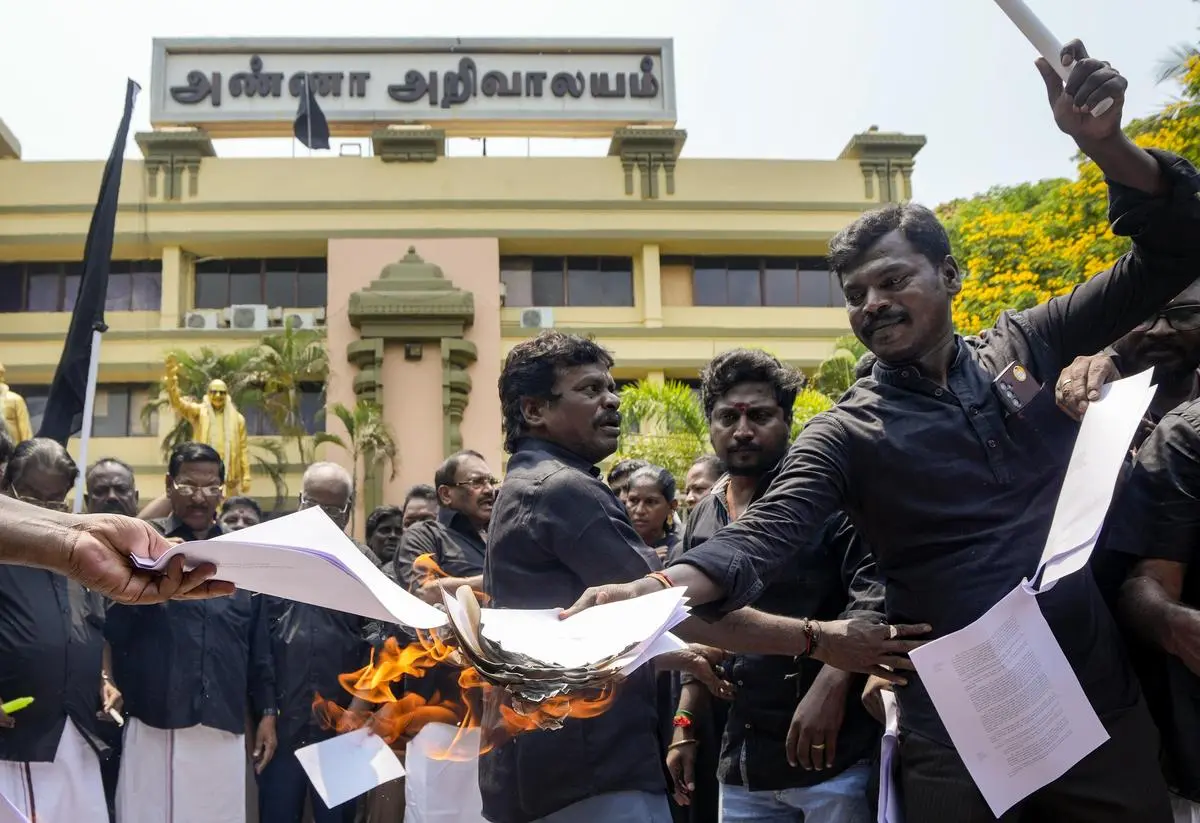
Women’s Reservation Bill 2026
The Women’s Reservation Bill's defeat reveals a deeper battle over delimitation, impacting India's electoral landscape and gender representation.
India
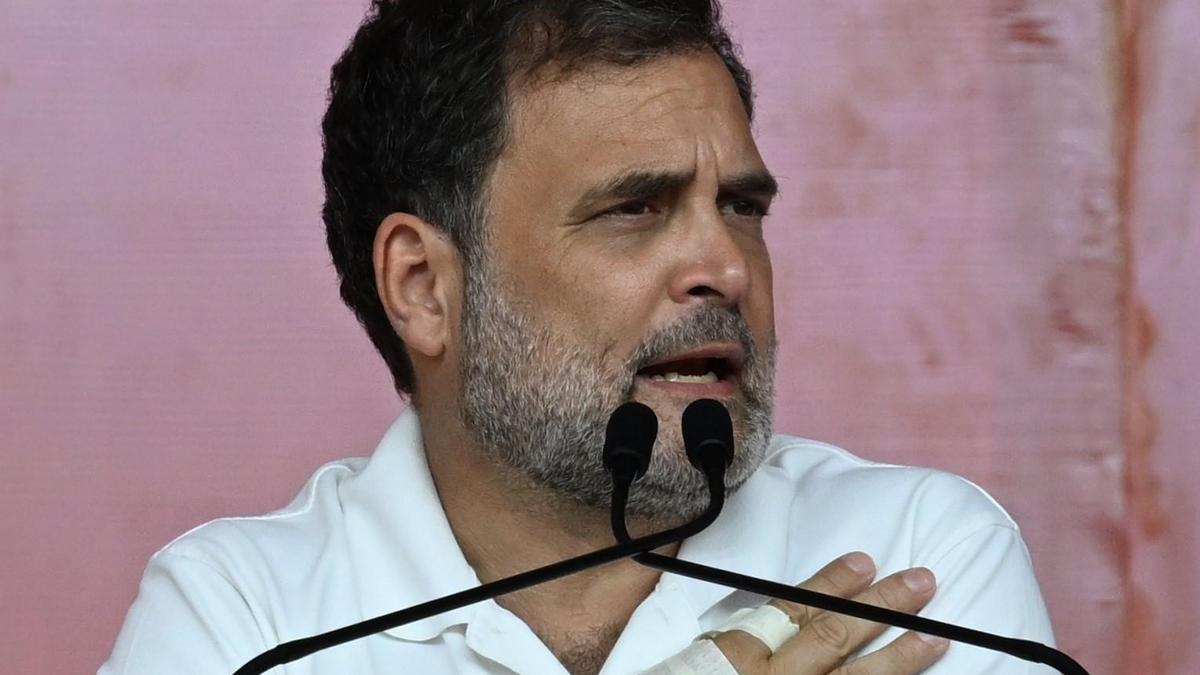
Rajnath Singh's Durga Squad for 2026 Polls
Rajnath Singh's 'Durga Squad' initiative targets women's safety ahead of Assembly Elections 2026, contrasting with Rahul Gandhi's southern campaign.
Conflict & Security
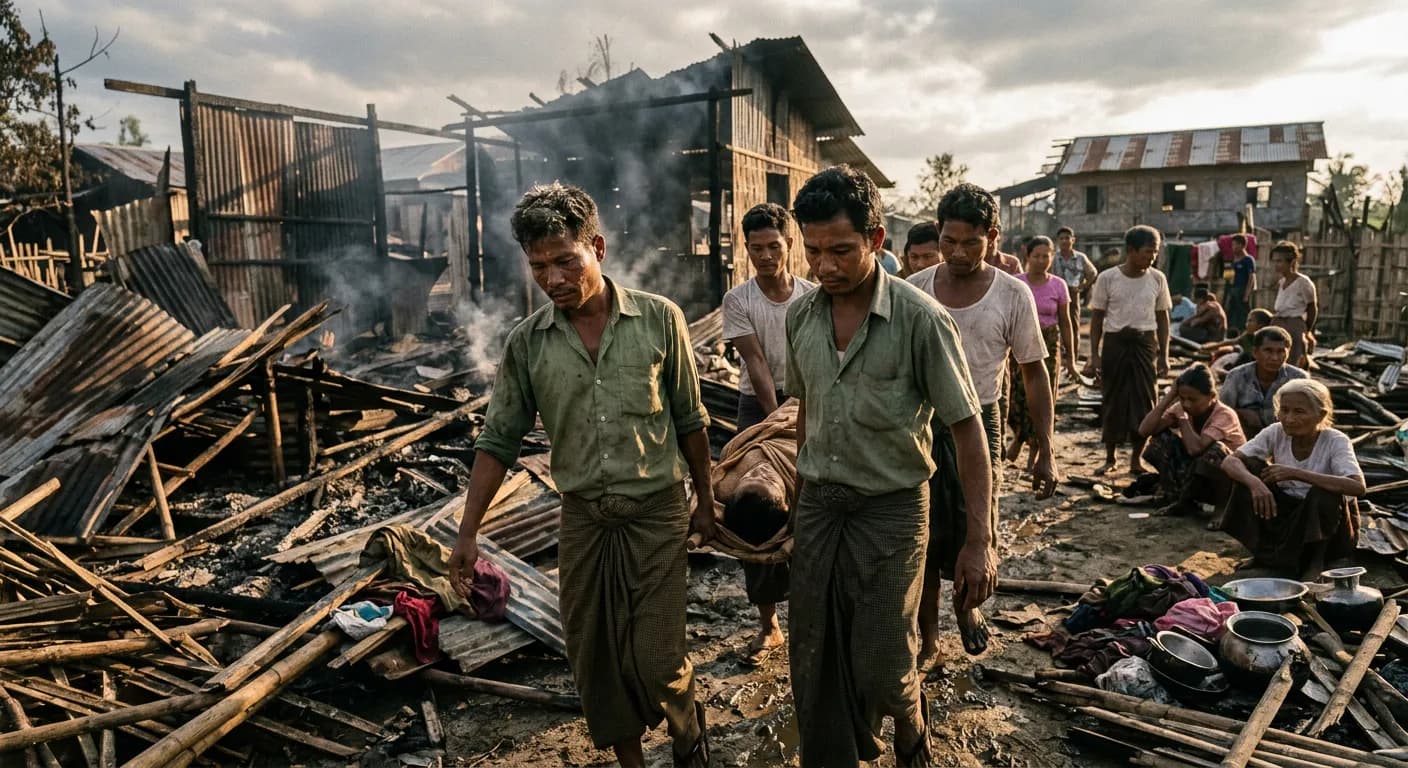
Kyauktaw Airstrike: Junta Tactics in Rakhine
Myanmar military airstrike in Kyauktaw kills at least seven civilians, reflecting a desperate strategy against ethnic opposition.
India
Wang Yi's Delhi Trip Signals China's Play
Wang Yi's visit to India highlights China's strategic positioning in BRICS.