Trump's Tough Stance on Iran Deal
Trump prioritizes nuclear commitments over Iran's ceasefire terms.
Model Diplomat3 min readMiddle East

Trump Raises Price of an Iran Deal by Threatening No Deal
Trump is signaling Washington would rather prolong pressure than accept Iran’s ceasefire-first terms, forcing Tehran back onto the nuclear file.
Donald Trump is using the threat of no deal to reject Iran’s preferred sequencing: end the war, reopen shipping, and leave the nuclear issue for later. In CNN’s live coverage on May 2, Trump said the US could be “better off” if no deal is reached, after earlier saying he was not satisfied with Tehran’s latest proposal and calling it “treasonous” to argue Washington should accept it Live updates: Trump says US could be ‘better off’ if no deal reached with Iran | CNN. AP reported that Iran’s proposal, passed through mediators in Pakistan, would reopen the Strait of Hormuz if the US lifts its blockade and ends the war, while deferring nuclear talks to a later phase
Iran offers to reopen Strait of Hormuz if US lifts blockade | AP News.
Why Trump Is Hardening the Terms
The power struggle is over sequencing. Tehran wants to split the file: immediate de-escalation now, nuclear concessions later. Washington wants one package, or at least a clearer nuclear commitment up front. That line is already visible in public: Secretary of State Marco Rubio has said any deal must address Iran’s nuclear program, making it unlikely the White House accepts a shipping-for-ceasefire bargain that leaves enrichment unresolved Iran offers to reopen Strait of Hormuz if US lifts blockade | AP News.
Iran still has leverage. The Strait of Hormuz carries roughly 20% of global oil and LNG flows, which is why Tehran keeps putting maritime access at the center of its proposal The Iran conflict's energy shocks are not yet fully realized | Brookings. But Trump appears to be betting that US military and sanctions pressure, plus Iran’s fractured negotiating position, outweigh that leverage. AP reported that Trump described Iran’s leadership as disjointed, while a fragile three-week ceasefire has held only imperfectly amid mutual accusations of violations
Trump rejects Iran's latest proposal to end war with US | AP News.
This also revives a familiar pattern from Trump’s first term. After the US withdrew from the 2015 nuclear deal in 2018 and restored sanctions, Iran scaled back compliance rather than capitulating quickly Supreme leader dismisses talks as Iran looks to post-Trump future | Reuters. The lesson is not that no-deal pressure cannot work; it is that pressure alone tends to lengthen the crisis unless it produces a clear negotiating framework.
What to Watch Next
The next move is whether mediators can rewrite Iran’s offer so it includes at least a partial nuclear commitment, not just a Hormuz reopening and war termination. Reuters reported that Tehran has floated pausing nuclear talks while Gulf shipping disputes are settled first, a formulation the US is plainly resisting US, Iran clash at UN after Tehran gets nuclear non-proliferation role | Reuters. If the ceasefire holds, diplomacy can continue by phone and through third parties; if it breaks, Trump’s “better off” line becomes less bargaining tactic than operating policy
Trump rejects Iran's latest proposal to end war with US | AP News.
For readers tracking the intersection of US politics and wider
international risk, the core point is simple: Trump is trying to force Iran back into a nuclear-first negotiation by making clear that a narrow ceasefire deal is not enough.
Discover more
Global
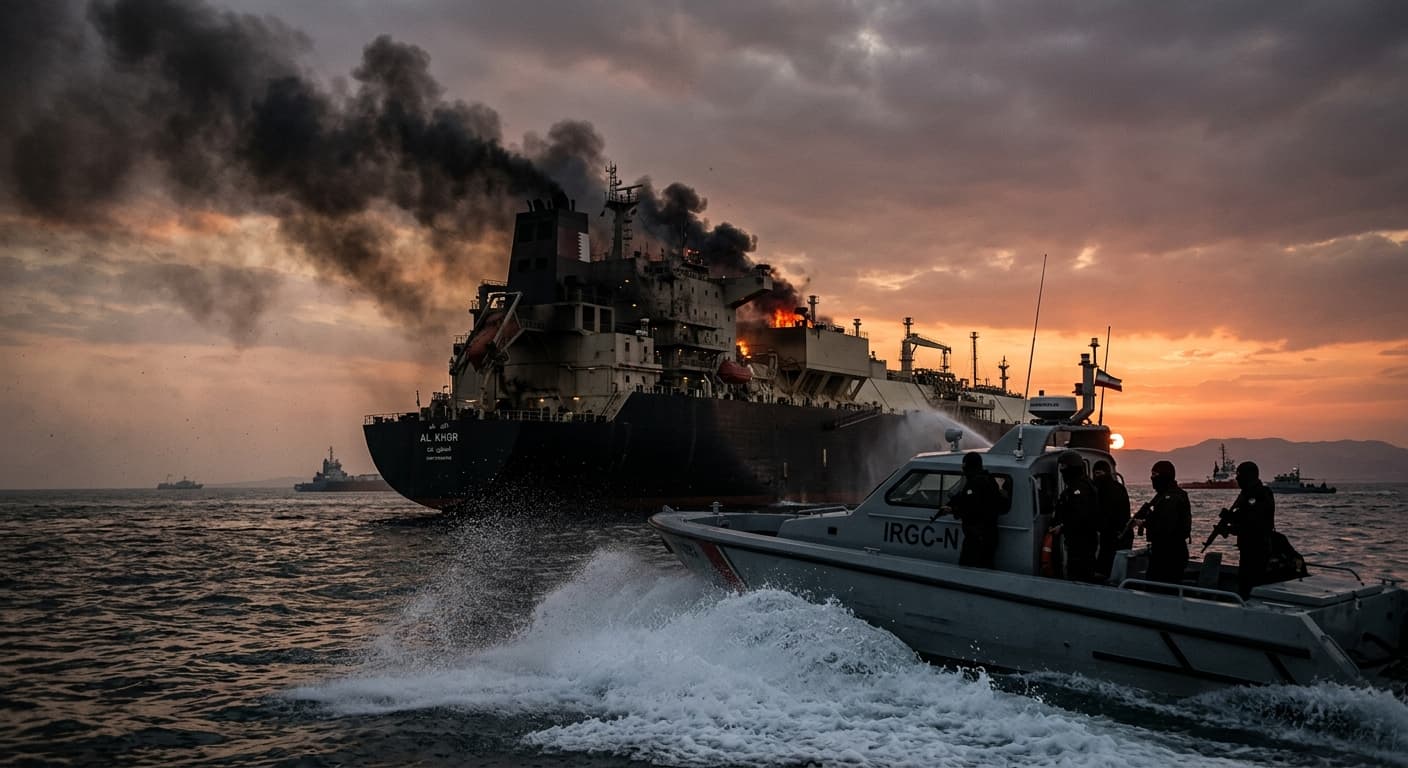
Qatari Tanker Strike Exposes Hormuz Tensions
A Qatari tanker was struck off Oman, revealing the fragility of the Hormuz ceasefire and Iran's influence over maritime security.
Global
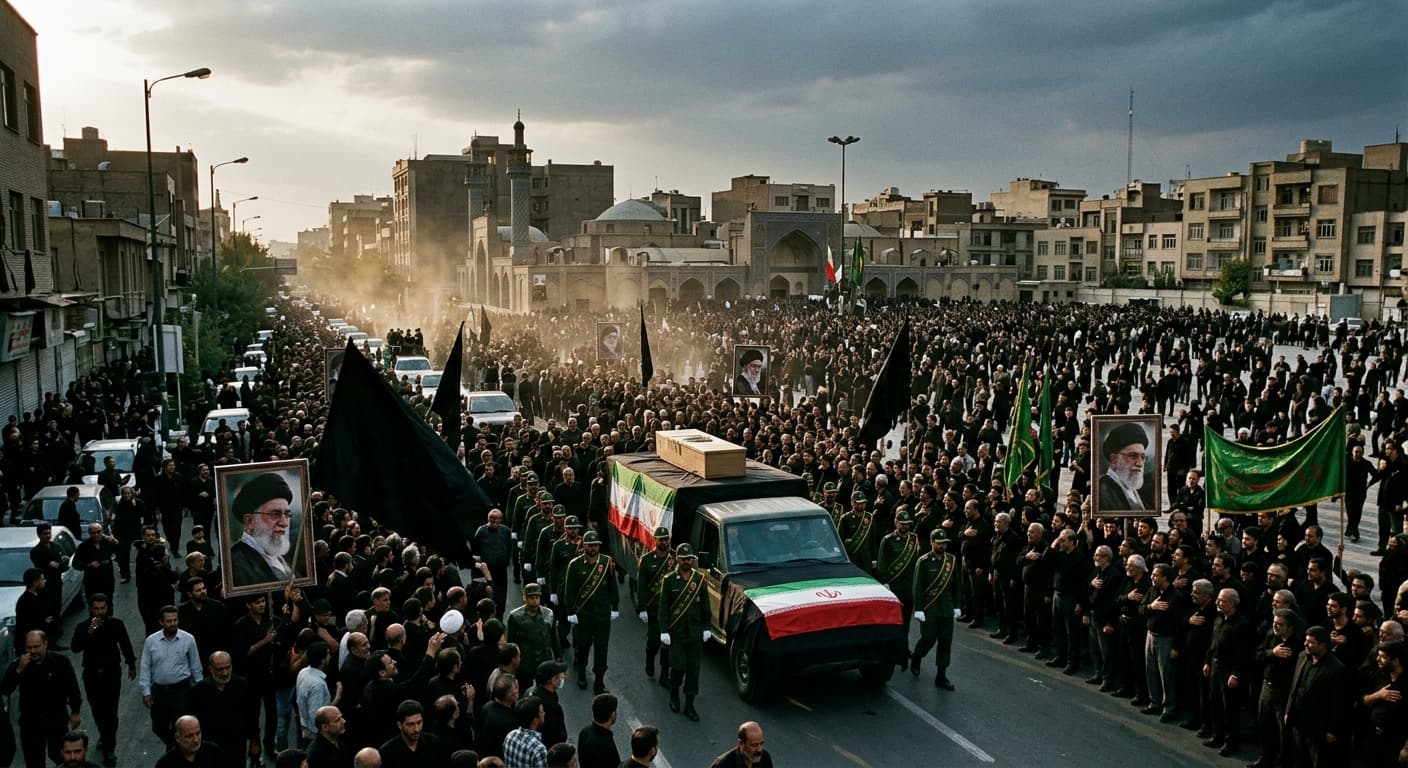
Khamenei's Funeral Signals Iran's Decline
The funeral of Ayatollah Khamenei highlights Iran's diminished influence in the Gulf, with regional powers now dictating terms.
Global
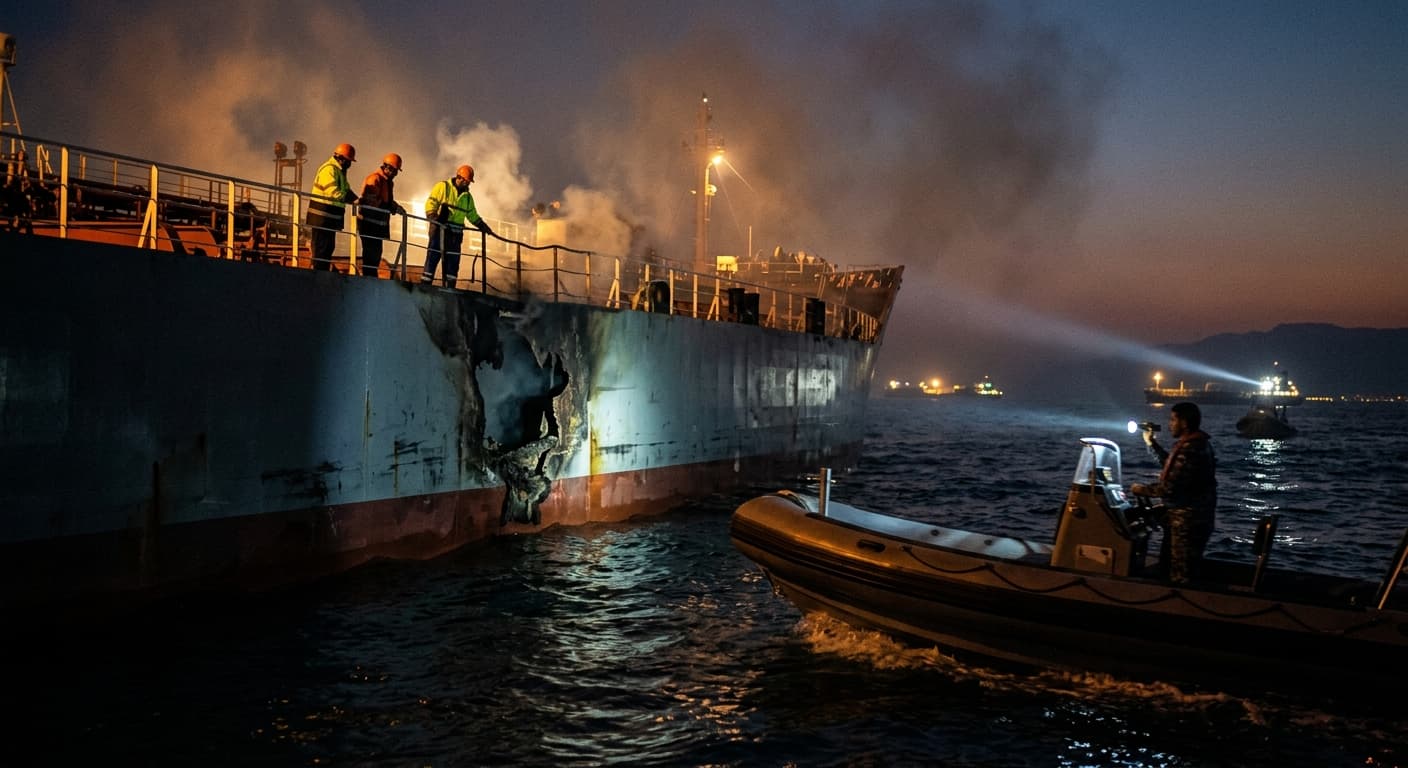
Iran's Hormuz Missile Strikes: A Toll Booth
Iran's missile attack on a Qatari-linked tanker highlights Tehran's strategy to control the Strait of Hormuz, impacting Gulf states and maritime law.

Tech Policy
Iran's Cavern Manticore Targets Israel's IT
Cavern Manticore, an Iran-linked hacking group, targets Israeli IT vendors, prompting a shift in Israel's cybersecurity policy and legislative efforts.