Trump's Lebanon-Israel Talks Claim Questioned
Lebanon denies imminent talks with Israel, raising questions.
Model Diplomat3 min readMiddle East
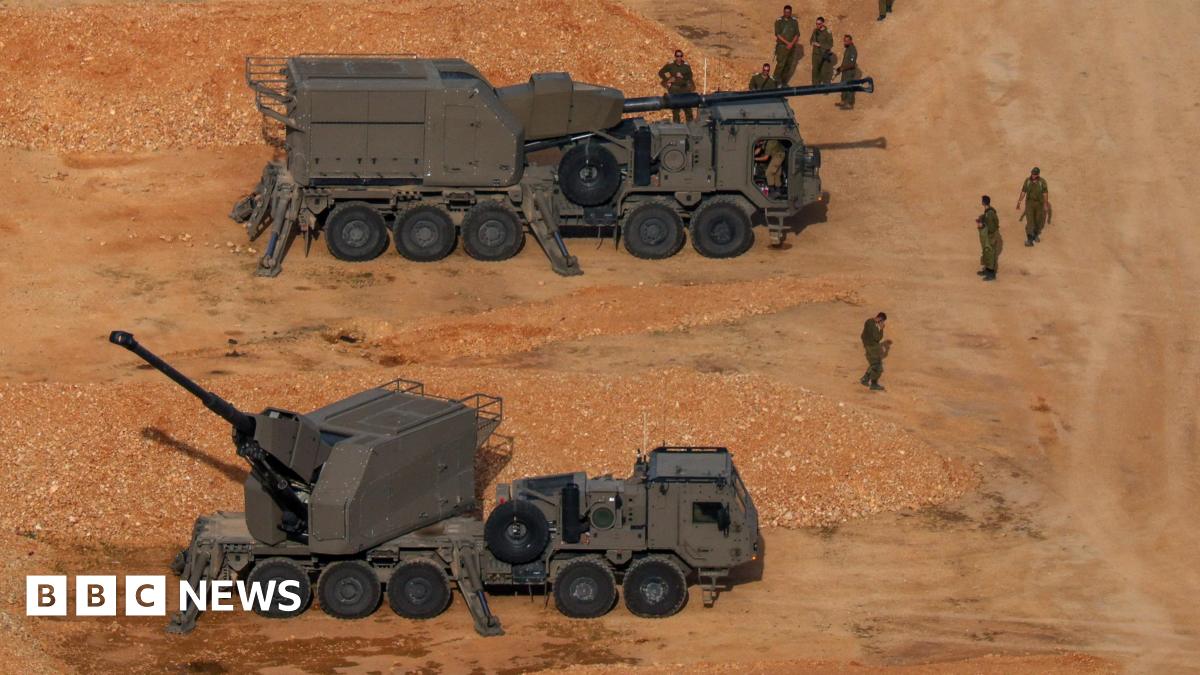
Lebanon questions Trump’s claim of imminent Lebanon-Israel talks
Donald Trump’s announcement of a Lebanon-Israel meeting “tomorrow” casts a shadow of doubt as Beirut denies such plans, exposing lingering mistrust and regional stakes.
On April 17, 2026, former US President Donald Trump stated that Lebanese and Israeli leaders would hold talks “tomorrow,” hinting at an unprecedented diplomatic effort to thaw relations between two longtime adversaries. Trump framed this as “breathing room” after decades of hostility and no direct dialogue between Lebanon and Israel. However, Lebanese officials quickly cast doubt on the claim, denying any scheduled meeting or confirmation. Meanwhile, the White House dismissed reports suggesting Washington was pushing to extend a ceasefire or secure talks, adding confusion to the narrative BBC Live.
Why Lebanon-Israel talks matter—and why skepticism prevails
Lebanon and Israel have technically been at war since Israel’s creation in 1948. The countries fought a devastating war in 2006, and their border remains one of the Middle East’s most contentious flashpoints, shared with a UN-monitored ceasefire line (the Blue Line). Direct talks between them are rare and usually hinge on third-party mediation and align with tentative peace efforts that have tended to falter.
Trump’s claim signals an unusual breakthrough if true, reflecting the region’s shifting dynamics. Israel’s normalization deals with Gulf states since 2020 and growing US interest in recalibrating alliances could motivate such a rapprochement attempt. Lebanon, battered by a political and economic crisis, might see indirect engagement as a way to alleviate pressure and explore stability. Yet, Lebanon’s government is deeply divided, with powerful factions like Hezbollah staunchly opposed to Israel. The rejection of Trump’s claim by Lebanese authorities highlights the political risk of any such meeting and suggests internal resistance or mere miscommunication Lebanon profile,
Israel profile.
The US role and regional complexities
The White House’s public distancing from Trump’s statement complicates the picture. It raises questions about the former president’s credibility on foreign policy matters and suggests the current administration is cautious about openly endorsing talks without clear groundwork. The US historically plays a critical mediator role in Lebanon-Israel relations but navigating Lebanese domestic sensitivities alongside Israel’s security concerns constrains Washington’s leverage.
This development also touches on wider regional issues: Iran’s backing of Hezbollah anchors Lebanon’s hardline stance, while Israel’s strategic calculus involves both deterrence and diplomatic openings in Gulf forums. Trump’s mention of “breathing room” evokes past ceasefires that briefly eased hostilities but rarely generated lasting peace. The potential talks could also influence maritime border disputes involving offshore energy resources—a major economic factor for Lebanon’s crisis-hit government Global Politics.
What to watch next
The key question is whether any actual meeting will materialize or if this episode remains a political gambit. Lebanon’s complex internal politics and Israel’s cautious but pragmatic approach mean official talks would require months of quiet diplomacy. Watch for statements from Hezbollah, Lebanese Prime Minister Najib Mikati, and Israeli Prime Minister Yair Lapid that could confirm the diplomatic direction. International stakeholders like the UN and France might also weigh in to facilitate or temper expectations.
More broadly, this episode reflects continuing volatility in Lebanon-Israel relations and the enduring challenge of Middle East diplomacy where informal backchannels often matter more than public declarations. If true, talks could mark a historic pivot; if not, it reveals how fragile and contested any move toward peace remains.
For a deeper dive on Lebanon and Israel’s conflicted history and regional implications, see our country profiles and Global Politics overview.
Sources:
BBC Live Coverage
Discover more

Global Politics
Israel-Lebanon Talks and Trump's Iran Shift
Israel and Lebanon open direct talks while Trump hints at Iran negotiations in Pakistan, reshaping Middle East diplomacy and regional power dynamics in flux.

Global Politics
Israel-Lebanon Talks Resume in US
Israel and Lebanon resume talks in the US, but Hezbollah's rejection of negotiations clouds prospects, risking regional stability and economic opportunity.
Global Politics
Hezbollah Rejects Lebanon-Israel Talks, Escal
Hezbollah's rejection of Lebanon-Israel talks threatens regional stability and complicates U.S.-brokered peace efforts, deepening the Middle East rift further.

Conflict & Security
Drone Warfare Killing Aid Workers at Unprec
Over 1,000 humanitarian workers killed in three years as cheap armed drones collapse legal protections. Gaza, Sudan, Ukraine, and DRC see deliberate targeting of aid convoys and hospitals with zero prosecutions.