Trump's Fragile Mideast Ceasefires
Exploring the precarious state of Trump's brokered ceasefires
Model Diplomat3 min readMiddle East
Trump's Three Mideast Ceasefires Are Holding — Barely
Three conditional pauses across Gaza, Lebanon, and the Iran front mask unresolved grievances that could reignite all of them simultaneously.
As of April 25, the post-October 7 Middle East is suspended between war and peace by a set of overlapping, conditional ceasefires — none of them durable, all of them Trump-brokered. Gaza's ceasefire hit six months with Hamas not disarmed, reconstruction not started, and aid flowing through a single Israeli-controlled crossing. Israel and Lebanon extended their pause by three weeks after White House talks — even as Israel struck a Hezbollah missile launcher and Hezbollah answered with rockets. And a two-week US-Iran ceasefire, brokered in early April, expired last week without a successor deal, leaving both sides exchanging threats over a US naval blockade of Iranian ports and Iranian warnings to "reveal new cards on the battlefield." (AP News,
Al Jazeera,
Reuters)
What Trump Has — and Hasn't — Achieved
The Trump approach is structurally coherent: stop the bombardment, claim the win, leave structural settlement to others. It has produced three pauses. What it hasn't produced is resolution of a single underlying dispute. Hamas has not committed to disarmament. The Gaza "Board of Peace," launched with substantial pledges, has not reconvened after its inaugural meeting. Iran continues enriching uranium; US demands for rollback remain Tehran's redline. Hezbollah rejected any Lebanon deal emerging from Washington talks.
The leverage picture is asymmetric. Israel retains military initiative on all three fronts — it explicitly carved Lebanon out of the Iran ceasefire terms and continued strikes. Iran holds the Strait of Hormuz card: Brent crude fell ~14% when the April ceasefire was announced, a signal of how much energy markets are pricing in Iranian restraint — restraint that Tehran is now threatening to withdraw. Trump holds pressure tools — the naval blockade of Iranian ports is fully implemented — but those tools accelerate escalation if diplomacy stalls. (Reuters)
Who Benefits, Who Doesn't
Netanyahu is the clearest short-term beneficiary: the ceasefires pause international pressure without requiring concessions on Gaza reconstruction, settlements, or Hezbollah disarmament. Lebanon's government and Lebanese Ambassador to Washington publicly thanked Trump — Beirut gets breathing room, but Hezbollah's veto over any durable deal remains intact. Iran's hardliners benefit from the stalemate: no nuclear rollback, sanctions pressure for leverage in any future negotiation, and a domestic narrative of resistance. Losers: Gaza's civilian population, aid-dependent and locked out of reconstruction; Gulf energy importers, exposed to Hormuz volatility on every breakdown in US-Iran talks.
The Iran-US nuclear track — now mediated through Islamabad with VP JD Vance leading the US side — is the load-bearing pillar. If that collapses, the Lebanon pause and Gaza ceasefire lose their regional scaffolding. Follow Global Politics and
Iran for updates as this unfolds.
What to Watch Next
The Islamabad channel is the critical variable. Iran has not confirmed participation in the next round; the US has not eased the naval blockade, which Tehran says is a precondition for talks. If no framework emerges by early May, the Lebanon three-week extension — itself set to expire — will face renewal under fire. Watch for: whether Iran sends a delegation to Islamabad, whether Israel expands Lebanon operations before any extension is formalized, and whether Hamas responds to the US-led Board of Peace's next overture on disarmament. Any one of those three fault lines can cascade into the other two.
Discover more
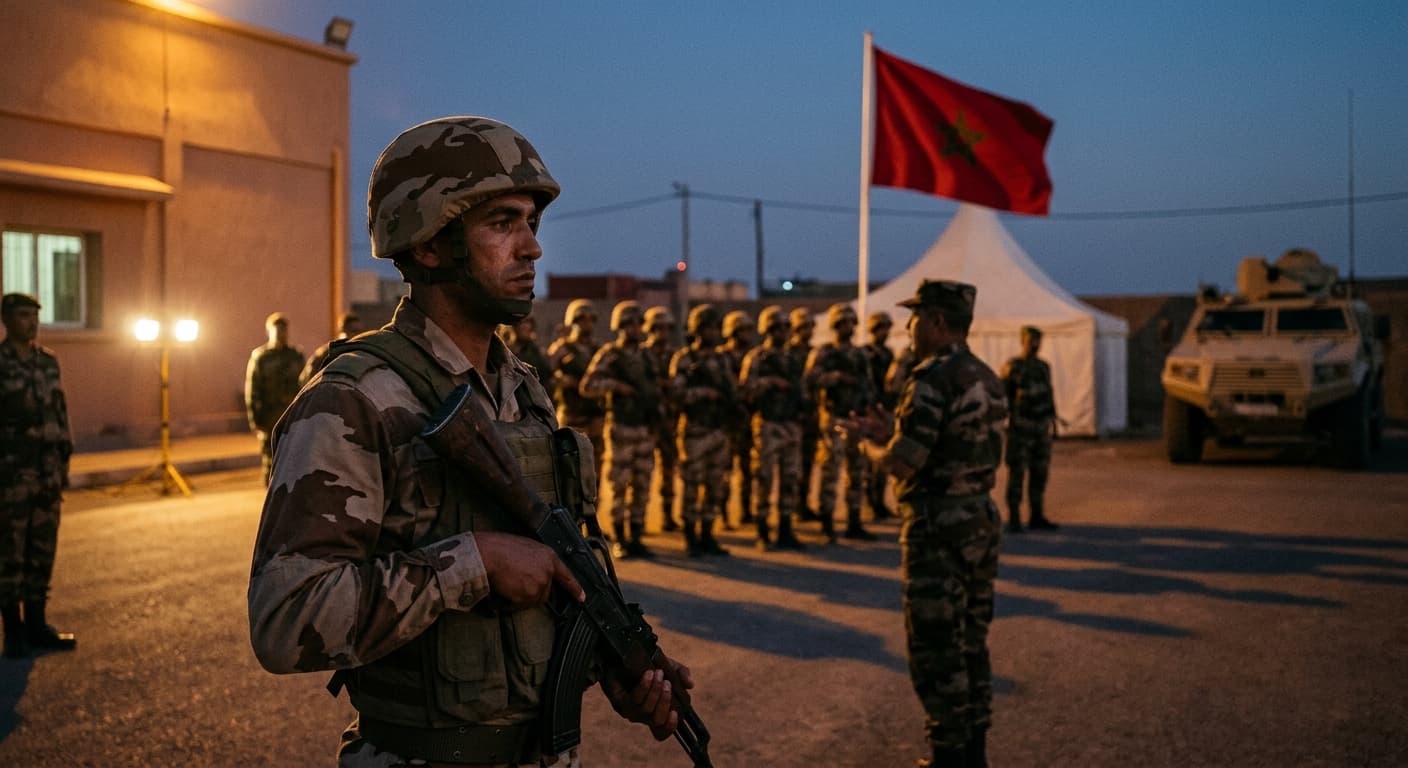
Global
Morocco's Gaza Troop Bet: Western Sahara
Morocco commits 400 troops to US-led Gaza stabilization force, leveraging the deployment to secure continued American recognition of its sovereignty over Western Sahara.
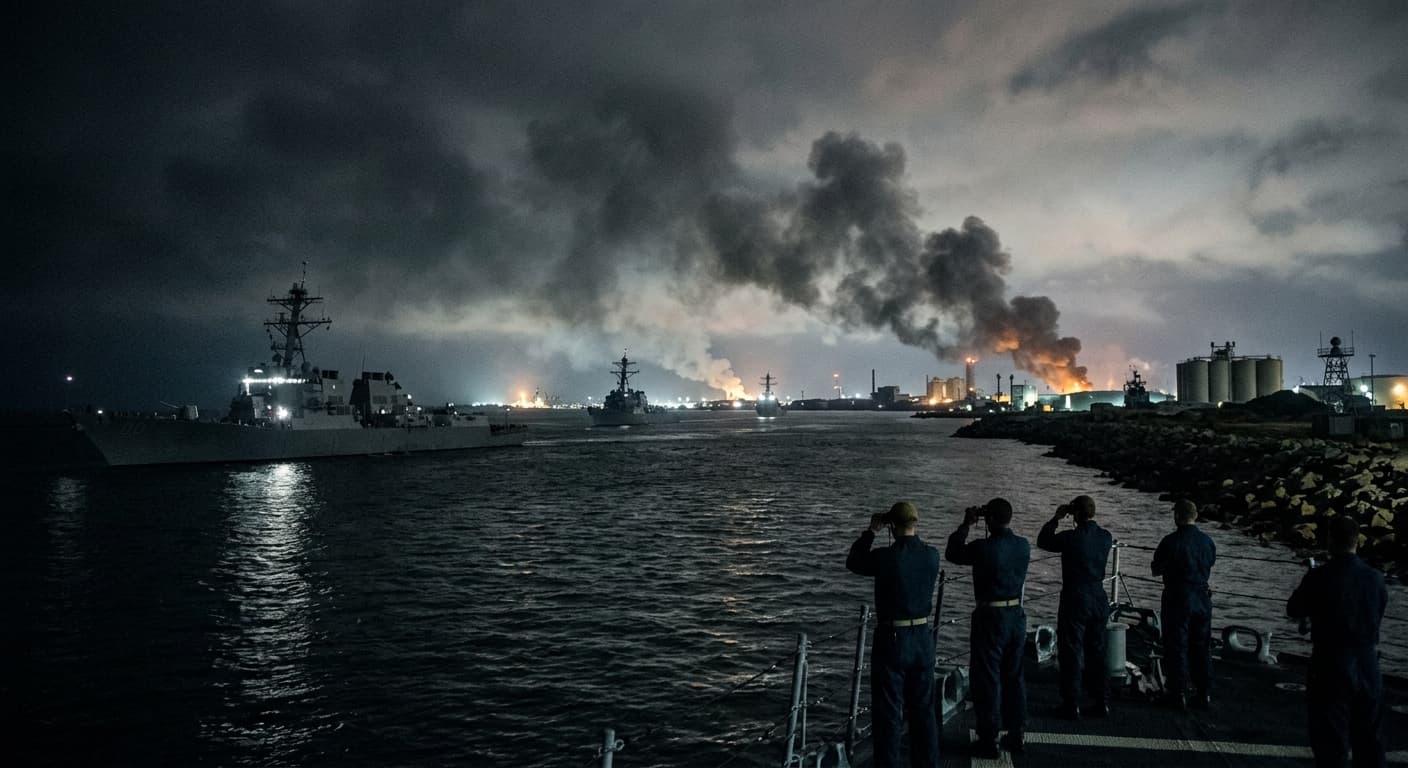
Conflict & Security
US Strikes Iran: Hormuz Peace Deal Fractures
US Central Command hits 90 Iranian targets as tensions escalate over the Strait of Hormuz, jeopardizing the June 17 peace deal.
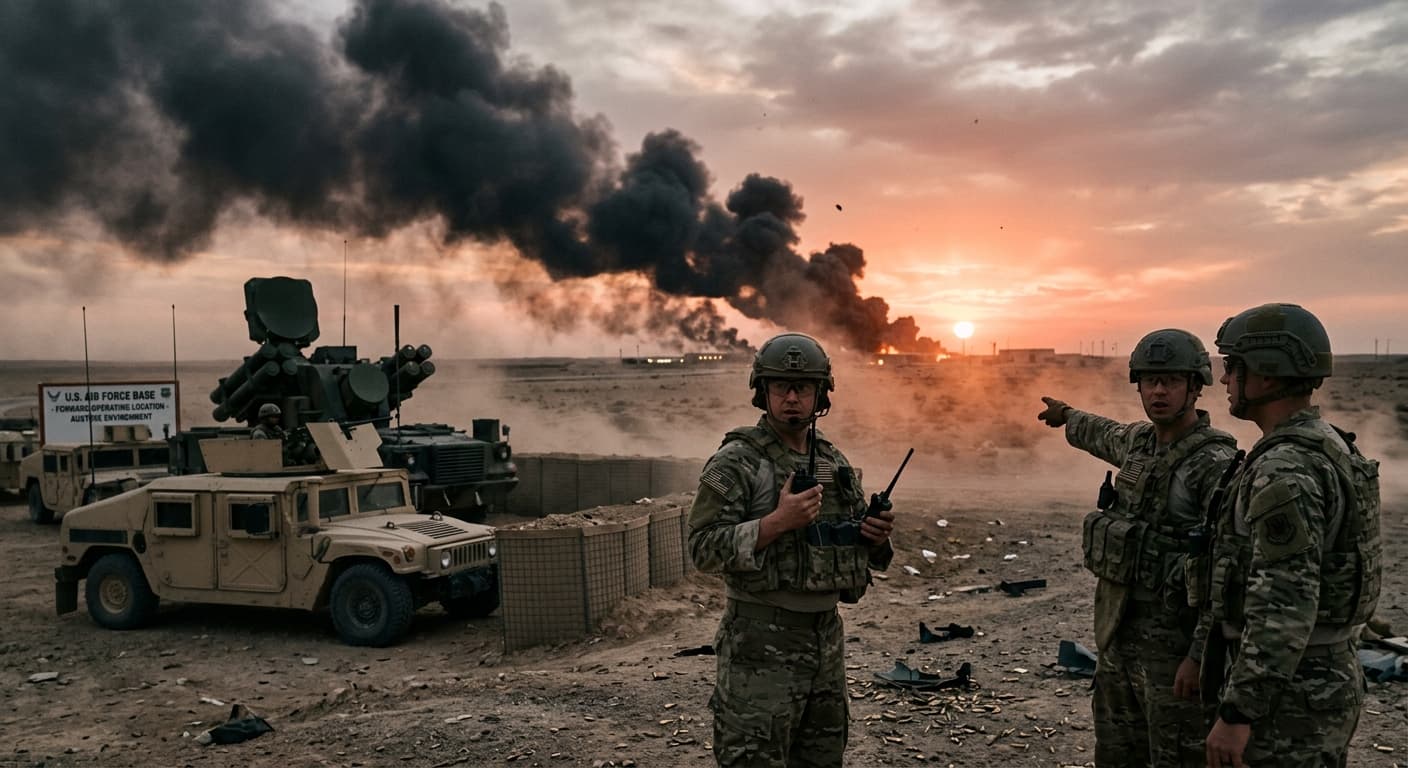
Conflict & Security
U.S. Strikes 90 Iranian Targets; Tehran Hits
U.S. military strikes 90 Iranian targets, Iran retaliates with drone attacks on Gulf bases, ending a fragile truce.
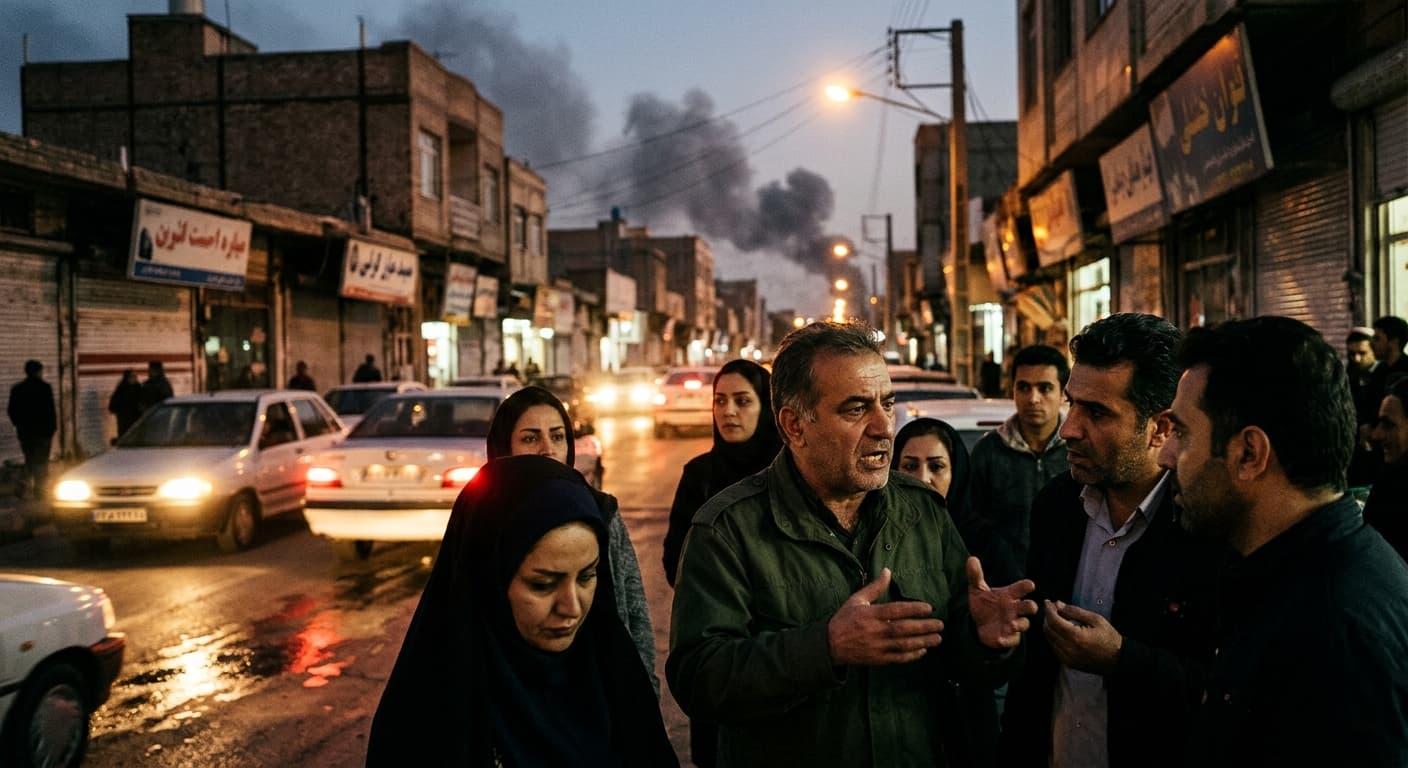
Conflict & Security
US Strikes 80+ Targets in Southern Iran
On July 8, 2026, US strikes on over 80 targets in southern Iran ended a ceasefire, escalating tensions in the Strait of Hormuz.