Trump's Fragile Mideast Ceasefires
Exploring the tenuous ceasefires in Gaza, Lebanon, and Iran
Model Diplomat3 min readMiddle East
Trump's Three Mideast Ceasefires Are Holding — Barely
Three fragile pauses across Gaza, Lebanon, and Iran mask unresolved core disputes. The architecture is Trump's; the leverage to sustain it is not.
Each of Trump's three Mideast pauses rests on a different foundation — and each is cracking in a different place.
The Architecture: Three Pauses, Three Fault Lines
Lebanon is the most structured of the three. On April 23, Israel and Lebanon agreed in White House talks to a three-week ceasefire extension, following an initial 10-day pause. Reuters reports Lebanon is pushing for Israeli troop withdrawal, return of detainees, and land border delineation. Israel's position: no withdrawal until Hezbollah and IRGC threats are neutralized. Hezbollah was not at the table. That absence is the problem — any deal struck without them is a deal they are not bound by.
Gaza is nominally six months into its ceasefire, but the AP reports that Hamas has not committed to a disarmament timeline, aid enters through a single Israeli-controlled crossing, and the U.S.-led "Board of Peace" has not reconvened since its launch. No governance transition, no international stabilization force, no reconstruction mechanism. The ceasefire is holding territory, not building peace.
Iran is the most volatile. A two-week U.S.-Iran ceasefire expired April 22 without a successor deal. Talks in Islamabad collapsed after 21 hours — Washington demanded Iran abandon nuclear weapons ambitions; Tehran rejected the framing and cited unresolved red lines on sanctions relief and wartime compensation. Gulf News reports Iran subsequently attacked three cargo ships in the Strait of Hormuz. Trump responded by ordering U.S. forces to "shoot and kill" Iranian small boats deploying mines and announcing a blockade of Iranian ports. This is not a ceasefire — it is armed coexistence under threat.
Who Holds the Cards
Trump holds the convening power and has demonstrated a genuine appetite for dramatic dealmaking. He has named Steve Witkoff as his lead envoy and hinted at hosting Israeli PM Netanyahu and Lebanese President Joseph Aoun at the White House within weeks. That matters for optics, less so for enforcement.
Iran retains structural leverage it has not surrendered: Hezbollah's weapons stockpile, Houthi operations in the Red Sea, and Strait of Hormuz chokepoint pressure. Tehran's nuclear enrichment program — the core U.S. demand — remains intact. Supreme Leader Khamenei has publicly rejected any deal that frames Iran's civilian program as a weapons track.
Hamas benefits from the status quo. A frozen conflict without disarmament requirements and no governance handover preserves its organizational coherence in Gaza. The longer the "Board of Peace" goes without meeting, the more Hamas can consolidate.
The losers are clear: Lebanese civilians caught between Israeli military positions and Hezbollah's parallel state; Gazans whose reconstruction depends on political agreements that do not exist; and Gulf Arab states — particularly Saudi Arabia — whose normalization ambitions with Israel require a Gaza endpoint that is nowhere in sight.
What to Watch
Three dates matter now. The Lebanon ceasefire extension runs approximately three weeks from April 23 — mid-May is the next flashpoint. Pakistan has urged a second round of U.S.-Iran talks; whether that happens before Tehran resumes full Hormuz pressure will define whether the Iran pause survives June. And the Gaza Board of Peace's next meeting — if it occurs — will signal whether Washington is still serious about a political transition or simply managing a frozen conflict.
Trump has bought time in all three theaters. He has not bought resolution in any of them. On International security timelines, pauses without political architecture tend to collapse at the first domestic pressure point for any party — and right now, every party has one.
Discover more
US Politics
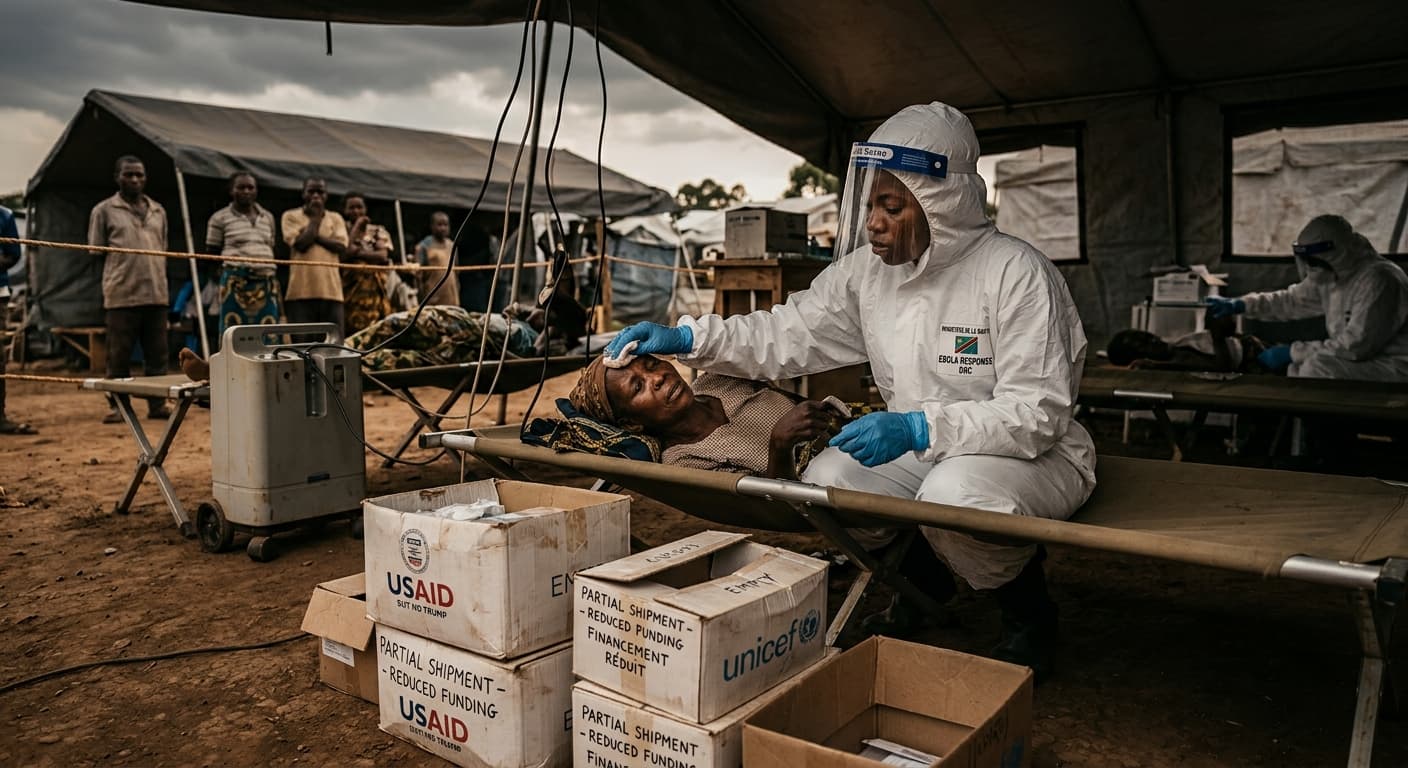
Trump's Aid Cuts Fuel Ebola Crisis in DRC
Trump's foreign-aid cuts gutted the DRC's fragile health infrastructure, worsening an Ebola outbreak and crippling the public-health response on the ground.
International Relations
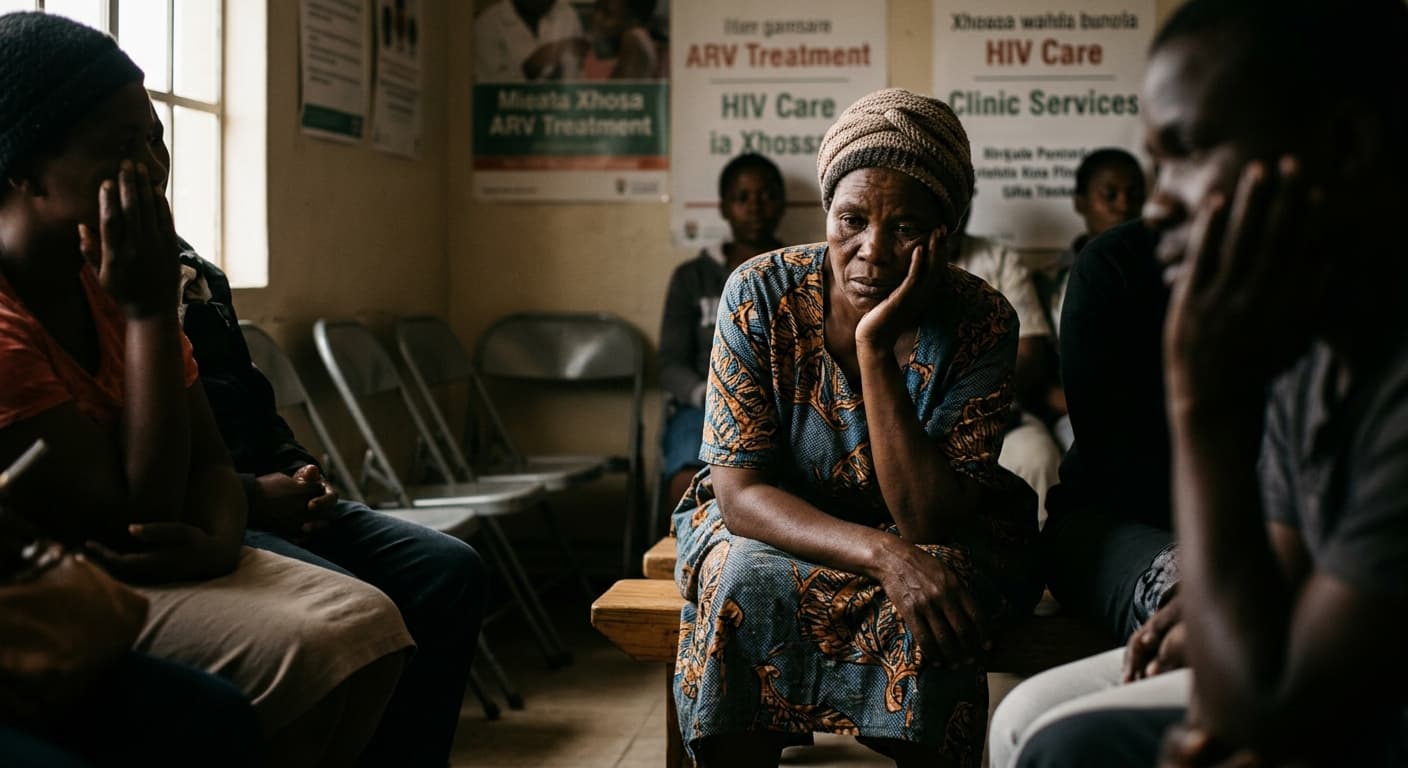
Trump Cuts South Africa's HIV Lifeline
The Trump administration ends $400 million in PEPFAR HIV funding for South Africa, threatening lives and straining public health programs across the country.

International Relations
The $100 Billion Squeeze: Trump’s Iran War
Trump's Iran war has cost American families an estimated $100 billion, straining household budgets through higher oil prices and eroding domestic support.

US Politics
Trump’s Hormuz Gamble: US-Iran Ceasefire
Trump's 60-day truce with Iran could reopen Strait of Hormuz oil routes, but the high-stakes ceasefire gamble unfolds amid deep, lasting Middle East tensions.