Trump's Ceasefire Claim
Trump redefines hostilities with Iran, challenging Congress's role.
Model Diplomat3 min readNorth America

Trump Tests War Powers With Iran ‘Ceasefire’ Claim
By declaring Iran hostilities “terminated” while keeping U.S. force options open, Trump shifts leverage from Congress back to the White House.
Donald Trump is using a ceasefire as a legal shield. Hours after the White House told Congress that U.S. hostilities with Iran had “terminated,” Trump made clear Washington was not treating the conflict as politically or strategically over, even as he argued the War Powers Resolution deadline no longer bound him.[Trump says Iran war 'terminated,' as war powers deadline arrives | Reuters][
Trump tells Congress ceasefire means he does not need their approval for Iran war] The core move is simple: redefine the war as paused or finished, and Congress loses its cleanest moment to force a vote.
The White House’s leverage play
In its notification to Congress, the administration said hostilities that began on February 28 had “terminated,” and pointed to the lack of exchanges of fire since the April 7 ceasefire as proof that the 60-day clock had stopped or no longer applied.[Trump tells Congress ceasefire means he does not need their approval for Iran war][
Trump contends hostilities with Iran have 'terminated' | AP News] Under the 1973 War Powers Resolution, presidents are supposed to obtain congressional authorization within 60 days of introducing U.S. forces into hostilities, with only limited room for extension.[
Trump contends hostilities with Iran have 'terminated' | AP News]
That benefits Trump and the executive branch directly. If the administration’s interpretation holds, lawmakers now have to do more than wait for a statutory deadline; they have to organize a vote against a president claiming the war is already over.[Trump says Iran war 'terminated,' as war powers deadline arrives | Reuters][
Trump tells Congress ceasefire means he does not need their approval for Iran war] That is a much higher political bar, especially with Republicans largely backing Trump and Democrats still trying to force a formal authorization debate.[
Trump says Iran war 'terminated,' as war powers deadline arrives | Reuters][
Trump contends hostilities with Iran have 'terminated' | AP News]
Why this matters
The legal argument is not just about statute; it is about who controls escalation. Critics note that U.S. forces remain deployed in the region and that the administration is still treating Iran as an active threat, even while saying hostilities have ended.[Trump contends hostilities with Iran have 'terminated' | AP News][
Trump says Iran war 'terminated,' as war powers deadline arrives | Reuters] That means the White House keeps coercive leverage over Tehran without conceding oversight to Congress.
Iran does not get much from this either. Reuters reported Tehran sent a new peace proposal via Pakistan, and Trump rejected it quickly.[Trump says Iran war 'terminated,' as war powers deadline arrives | Reuters] So the ceasefire is functioning less as a settlement than as a holding pattern: no active exchange of fire, but no stable political end state.
This is now as much a US politics fight as an
international crisis. The White House is asserting that a paused conflict can be legally “terminated” even if the military posture, deterrent pressure, and diplomatic bargaining all continue.
What to watch next
The next decision point is Congress: whether leaders allow a vote on authorization or a war-powers challenge despite the White House’s new legal framing.[Trump says Iran war 'terminated,' as war powers deadline arrives | Reuters][
Trump tells Congress ceasefire means he does not need their approval for Iran war] The next operational trigger is even simpler: if U.S.-Iran fire resumes, the administration’s claim that hostilities have ended becomes much harder to sustain. Until then, Trump holds the initiative — and Congress is being asked to prove it still has one.
Discover more
Conflict & Security
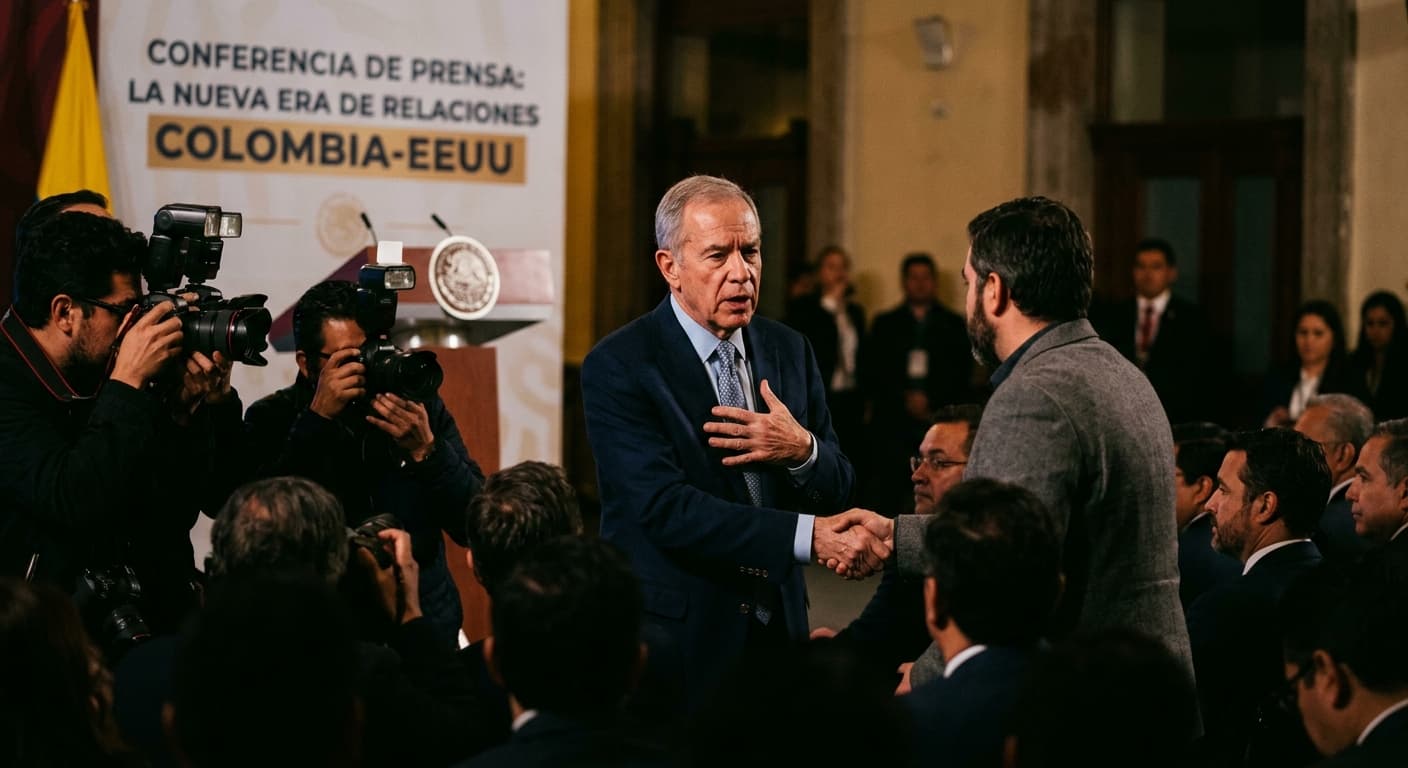
De la Espriella's Razor Win Resets US-Colomb
De la Espriella's razor-thin election win signals a reset in US-Colombia relations, reshaping security ties and the agenda under a Trump-aligned approach.
International Relations
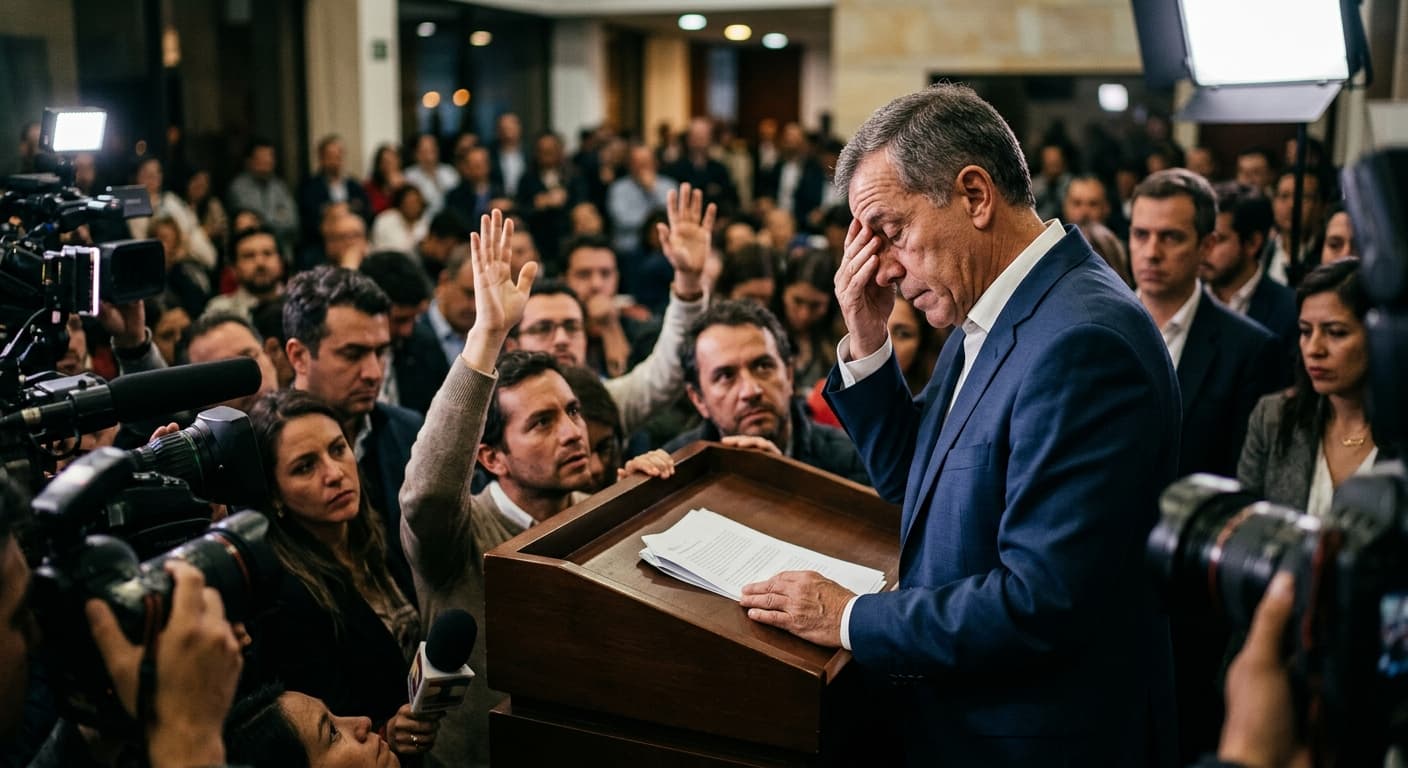
Colombia's Razor-Thin Rightward Pivot
Colombia swings right as Abelardo de la Espriella narrowly wins the presidential runoff by under one percent, exposing a deeply divided and polarized nation.
Global Politics
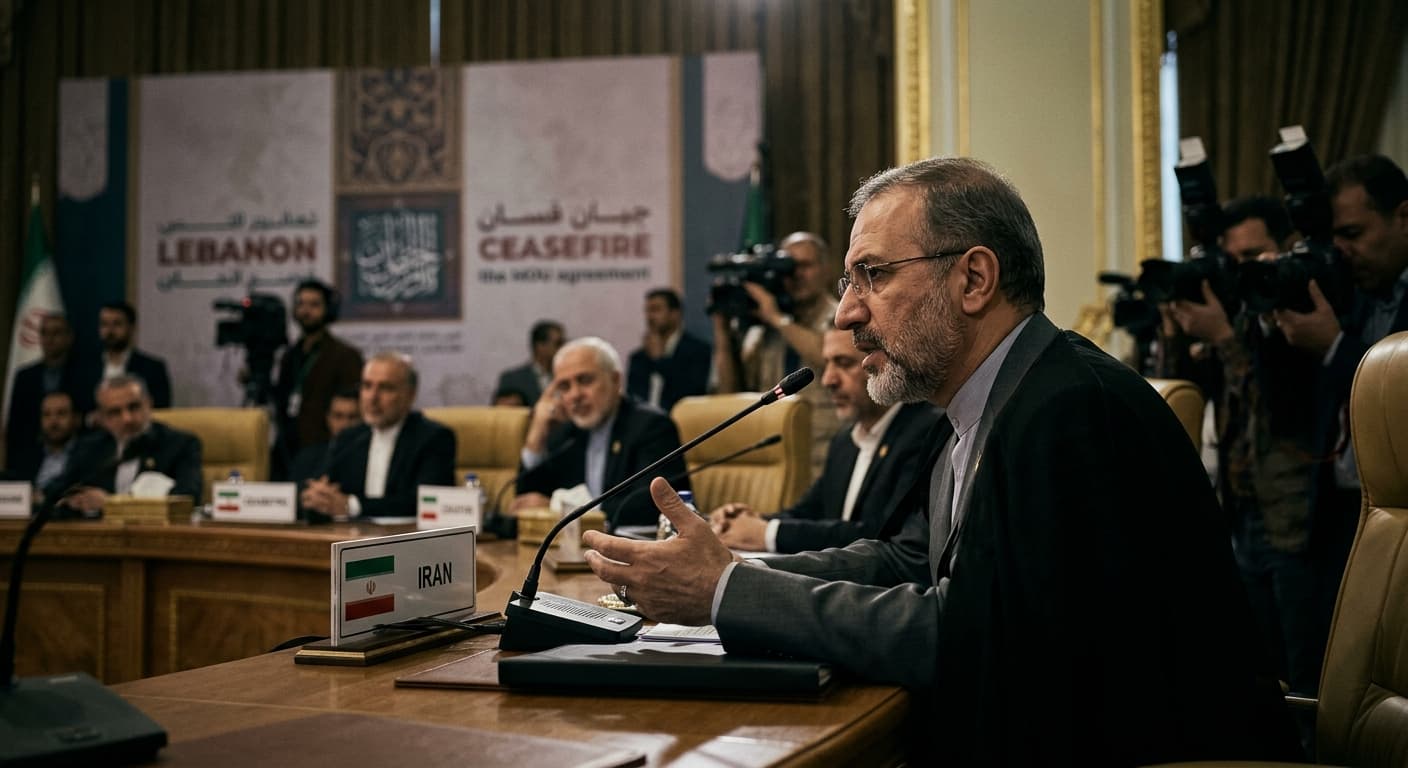
Iran Demands US Enforce Ceasefire
Iran insists the United States must enforce a ceasefire in Lebanon to uphold the memorandum of understanding, raising pressure on Washington and Netanyahu.

Conflict & Security
Trump's Iran Deal Faces Bipartisan Backlash
Trump's Iran deal draws fierce criticism from both Republicans and Democrats, exposing deep political divides over the ceasefire and the terms of the agreement.