Trump's Bold Drug Policy Shift
Trump reclassifies marijuana and funds psychedelics research.
Model Diplomat3 min readUnited States

Trump Cracks Open GOP Drug Policy — Marijuana and Psychedelics in One Week
Trump reclassified medical marijuana to Schedule III and signed a $50M psychedelics research order in April 2026 — a break from decades of GOP orthodoxy.
In a single week, the Trump administration executed two of the most significant federal drug policy shifts in a generation. On April 23, Acting Attorney General Todd Blanche signed an order reclassifying state-licensed medical marijuana from Schedule I to Schedule III — placing it alongside ketamine and Tylenol with codeine. Five days earlier, on April 18, Trump signed an executive order directing the FDA to fast-track research into psychedelics, including the controversial African plant derivative ibogaine, backed by $50 million in new federal funding. Together, the moves mark a deliberate departure from the GOP's four-decade war-on-drugs posture.
Who Moved the Levers
The psychedelics order has an unlikely origin: a call from Joe Rogan. Rogan, alongside former Navy SEAL Robert O'Neill and ex-Texas Governor Rick Perry, had been publicly lobbying for ibogaine access for veterans suffering from PTSD and traumatic brain injuries. A Stanford study on ibogaine and TBI-related depression gave the campaign scientific credibility. Trump signed with HHS Secretary RFK Jr. and FDA Commissioner Makary at his side — a signal that this is institutionally owned, not a one-off gesture.
The marijuana reclassification is a different animal. The DOJ action builds on Biden-era momentum — the DEA had already proposed Schedule III reclassification — but Trump's DOJ accelerated it, scheduling a formal DEA administrative hearing for June 29, 2026 that will determine the scope of any permanent rule. Critically, the reclassification does not federally legalize cannabis; it lifts research barriers, eases tax burdens on state-licensed producers under IRS Section 280E, and removes some enforcement pressure on state-legal medical programs. Source: USA Today
Who Wins, Who Doesn't
Winners: State-licensed cannabis operators get immediate relief from the federal tax penalty that's been bleeding their margins. Veterans' advocacy groups get a funded research pathway for ibogaine — a drug showing striking results for combat-related PTSD. The cannabis industry broadly benefits from reduced regulatory friction, and RFK Jr. secures a signature policy win under the "Make America Healthy Again" banner.
Losers: The traditional social-conservative wing of the GOP — which views both moves as cultural concessions — has no institutional vehicle to block executive action. The roughly thousands still incarcerated on federal cannabis charges see no direct relief; rescheduling does not equal retroactive clemency, as AP reporting confirms. And pharmaceutical incumbents in the mental health space now face a federally accelerated competitor in psychedelic-assisted therapy.
What to Watch Next
The June 29 DEA hearing is the decisive moment on marijuana. If the administrative process completes without congressional interference, Schedule III becomes permanent — and recreational cannabis reform suddenly has real political oxygen on the right. On psychedelics, watch whether the FDA's "right to try" expansion in the executive order creates a viable access pathway before full clinical approval, which would be unprecedented in scope.
For the broader arc of US drug policy, the question is whether Trump's action creates durable Republican cover for congressional legislation — or remains a set of executive orders the next administration can reverse in a morning. The
United States hasn't resolved that structural vulnerability yet.*
Discover more

US Politics
House Ethics Committee Pushes Sexual Miscond.
The House Ethics Committee has shifted responsibility for sexual harassment settlement records to the Office of Congressional Workplace Rights, complicating disclosure efforts.

Conflict & Security
Drone Warfare Killing Aid Workers at Unprec
Over 1,000 humanitarian workers killed in three years as cheap armed drones collapse legal protections. Gaza, Sudan, Ukraine, and DRC see deliberate targeting of aid convoys and hospitals with zero prosecutions.

Global
World Normalises Taliban as Afghan Women Eras
UN data shows Afghan women erased from public life as Russia recognises the Taliban, EU hosts officials in Brussels, and ICC warrants for gender persecution go unenforced.
Conflict & Security
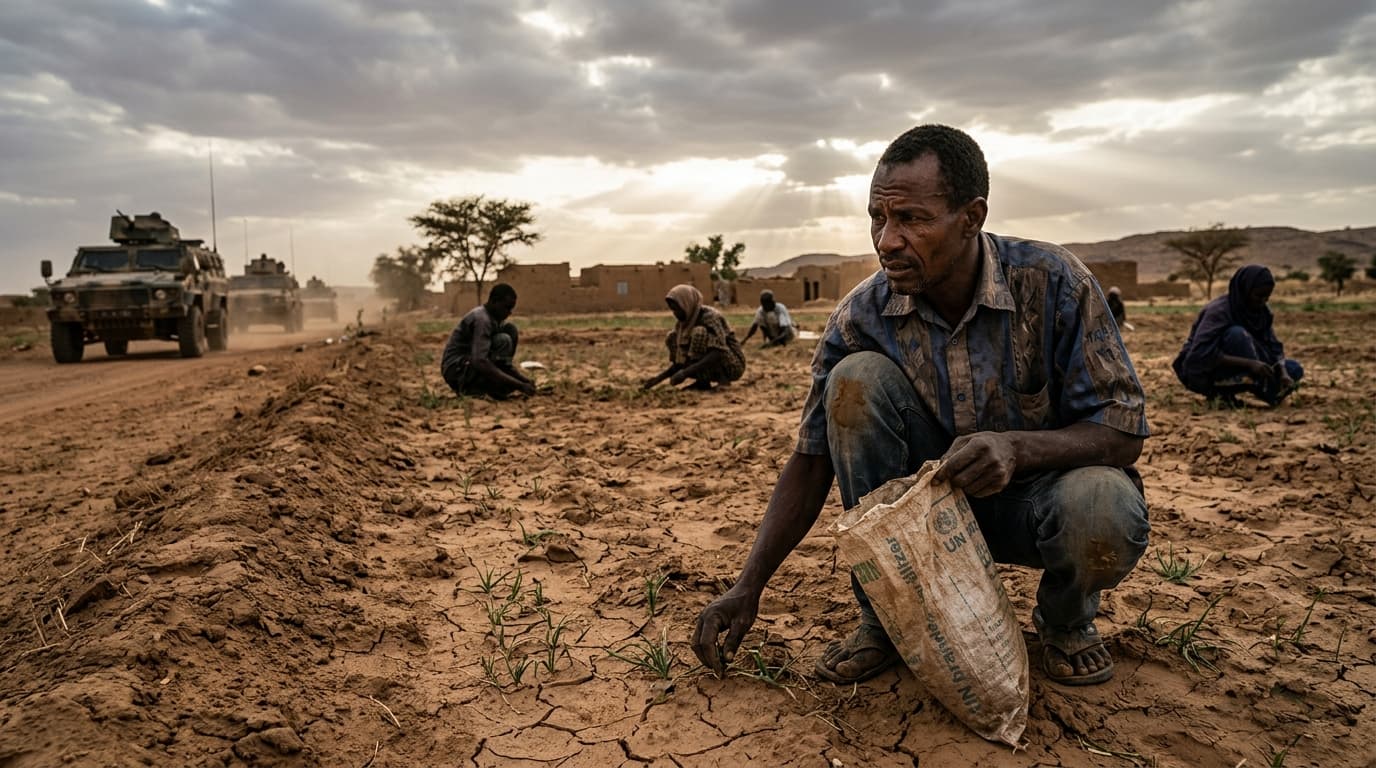
West Africa Food Crisis: Three Shocks in 2026
Conflict, climate extremes, and the Strait of Hormuz closure drive a severe food crisis in West and Central Africa, with fertilizer prices surging 80% and millions displaced.