Trump's $400M Ballroom Faces Congress Amidroy
King Charles's visit intensifies scrutiny on Trump's ballroom project.
Model Diplomat3 min readUnited States
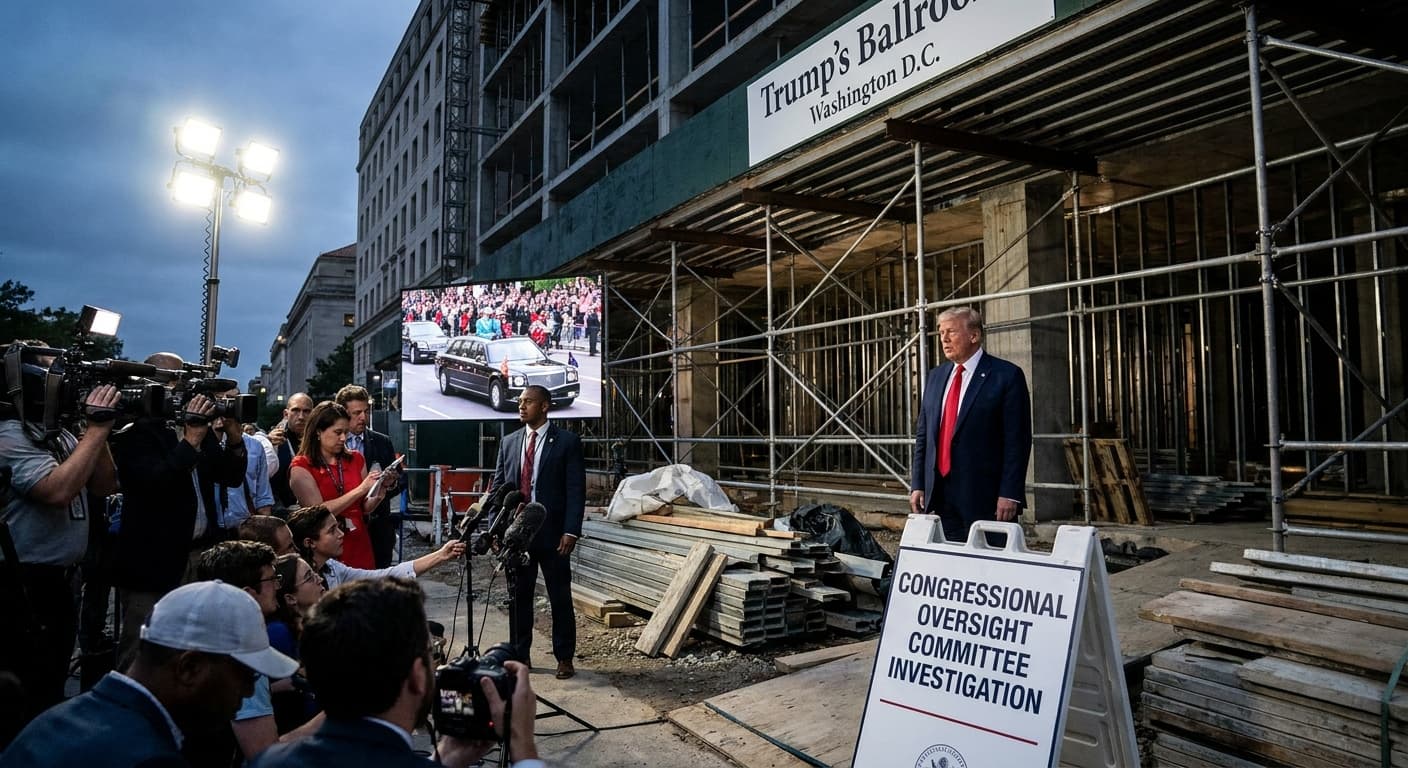
Trump's $400M Ballroom Is Now a Congressional Test — With Royals as Backdrop
A federal court halted White House ballroom construction without congressional approval. King Charles's state visit this week turns the political pressure up a notch.
The timing is not subtle. King Charles III and Queen Camilla touched down in Washington on April 27 for the first British royal state visit since 2007 — a four-day itinerary that includes a formal state dinner at the White House, a joint address to Congress on April 28, and bilateral meetings with President Trump. Meanwhile, the $400 million East Wing ballroom Trump wants to host such events in remains legally frozen, and Congress shows little appetite to unfreeze it.
The Legal and Political Impasse
Judge Richard Leon ruled on March 31 that construction on the ballroom must stop until Congress grants explicit authorization — citing the fundamental principle that the executive cannot unilaterally modify federal property at this scale. Trump appealed and publicly criticized the ruling, making clear he has no interest in going hat-in-hand to Capitol Hill. That reluctance is mutual: as of early April, congressional leaders signaled no urgency to take up authorization, leaving the project in legal limbo.
The funding structure itself is a secondary flashpoint. The ballroom is nominally "privately funded" via the Trust for the National Mall, but a 14-page contract shields donor identities. Named contributors already identified include Amazon, Apple, Comcast, Google, T-Mobile, and Palantir — a roster of corporations with active regulatory exposure to the current administration. Public Citizen and allied watchdogs are pressing hard on the conflict-of-interest angle, and the anonymous-donor provision maximizes that attack surface.
Who Holds the Leverage
Congress holds the decisive card, and right now it's choosing not to play it — which itself is a form of power. Republican leadership has no obvious incentive to hand Trump a clean win on a project critics will characterize as a vanity construction funded by firms seeking federal favor. Democrats have every incentive to keep the legal cloud hovering.
The royal visit sharpens the optics without changing the underlying math. A state dinner at a half-built East Wing, days after a court order, is precisely the kind of image the White House wanted the ballroom to solve — not create. Security reviews were already tightened after the White House Correspondents' Dinner shooting, adding another layer of logistical awkwardness to the visit.
Trump's political calculus is visible: use the spectacle of a royal state dinner as proof of need, and let the embarrassment of inadequate facilities pressure Congress into acting. It's a leverage play — but it requires Congress to feel the embarrassment, and Republican leadership has demonstrated considerable tolerance for executive-branch theatrics.
For more context on how US Politics is navigating the executive-legislative fault lines of the second Trump term, see our ongoing coverage.
What to Watch Next
April 28 is the immediate test: King Charles addresses a joint session of Congress, placing the very lawmakers who must authorize the ballroom in the same room as the diplomatic rationale for building it. Watch whether any Republican appropriators signal movement in the days following — or whether the White House's appellate track gains traction first. The appeals court ruling is the real circuit-breaker; if Leon's order is stayed, Trump builds regardless of Congress. If the stay is denied, the legislative path becomes unavoidable — and considerably harder.
Discover more

Conflict & Security
De la Espriella's Razor Win Resets US-Colomb
De la Espriella's razor-thin election win signals a reset in US-Colombia relations, reshaping security ties and the agenda under a Trump-aligned approach.
International Relations
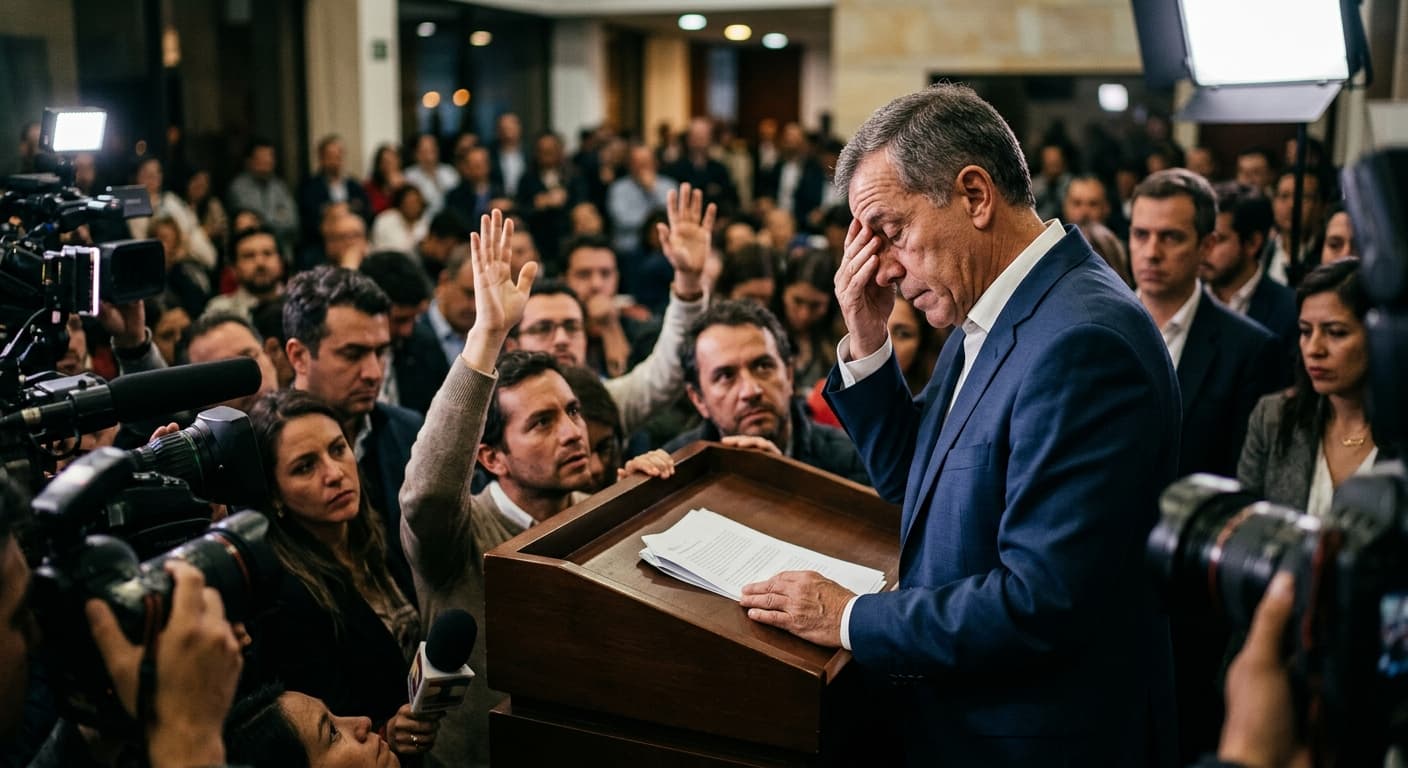
Colombia's Razor-Thin Rightward Pivot
Colombia swings right as Abelardo de la Espriella narrowly wins the presidential runoff by under one percent, exposing a deeply divided and polarized nation.
Global Politics
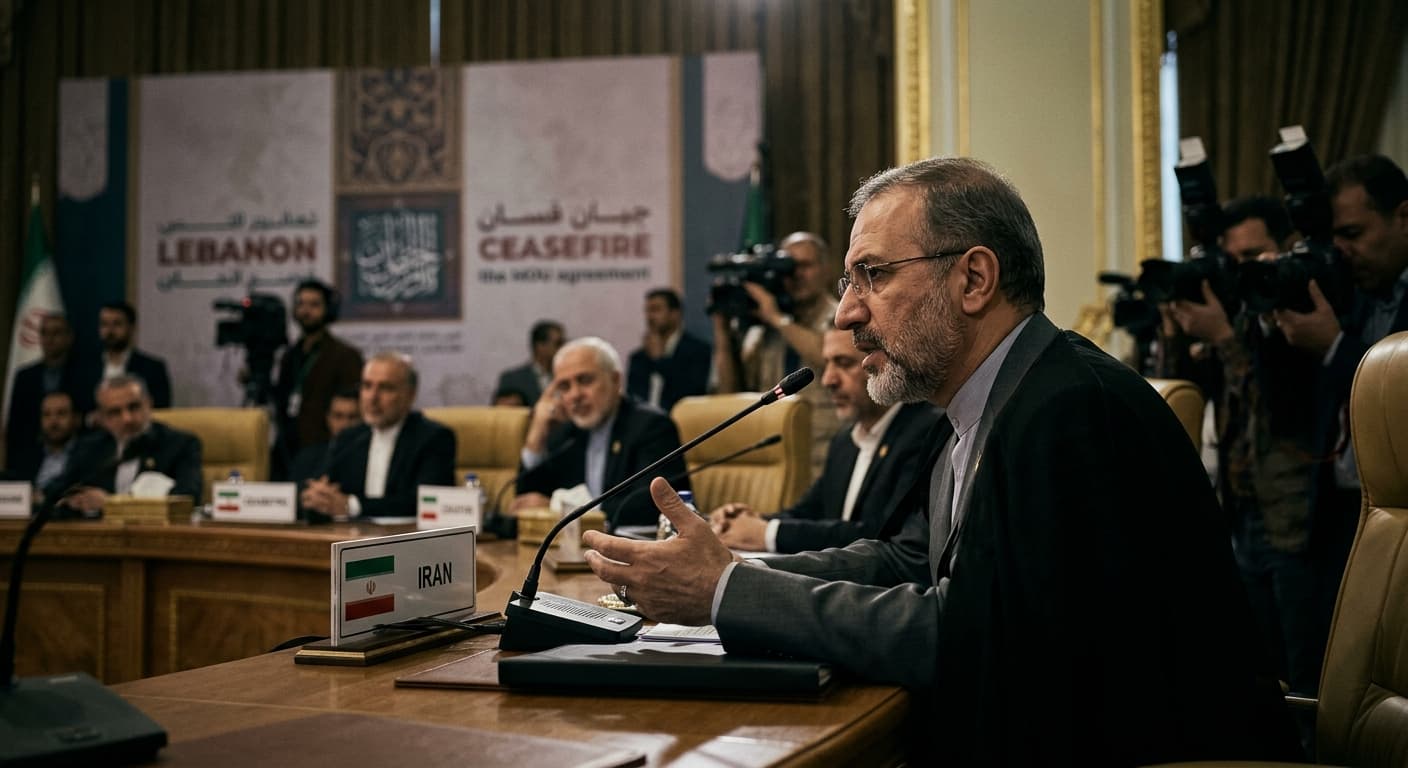
Iran Demands US Enforce Ceasefire
Iran insists the United States must enforce a ceasefire in Lebanon to uphold the memorandum of understanding, raising pressure on Washington and Netanyahu.

Conflict & Security
Trump's Iran Deal Faces Bipartisan Backlash
Trump's Iran deal draws fierce criticism from both Republicans and Democrats, exposing deep political divides over the ceasefire and the terms of the agreement.