Trump Teases Iran Nuclear Talks Resumption
Potential revival of Iran nuclear negotiations signals diplomatic shift
Model Diplomat3 min readMiddle East
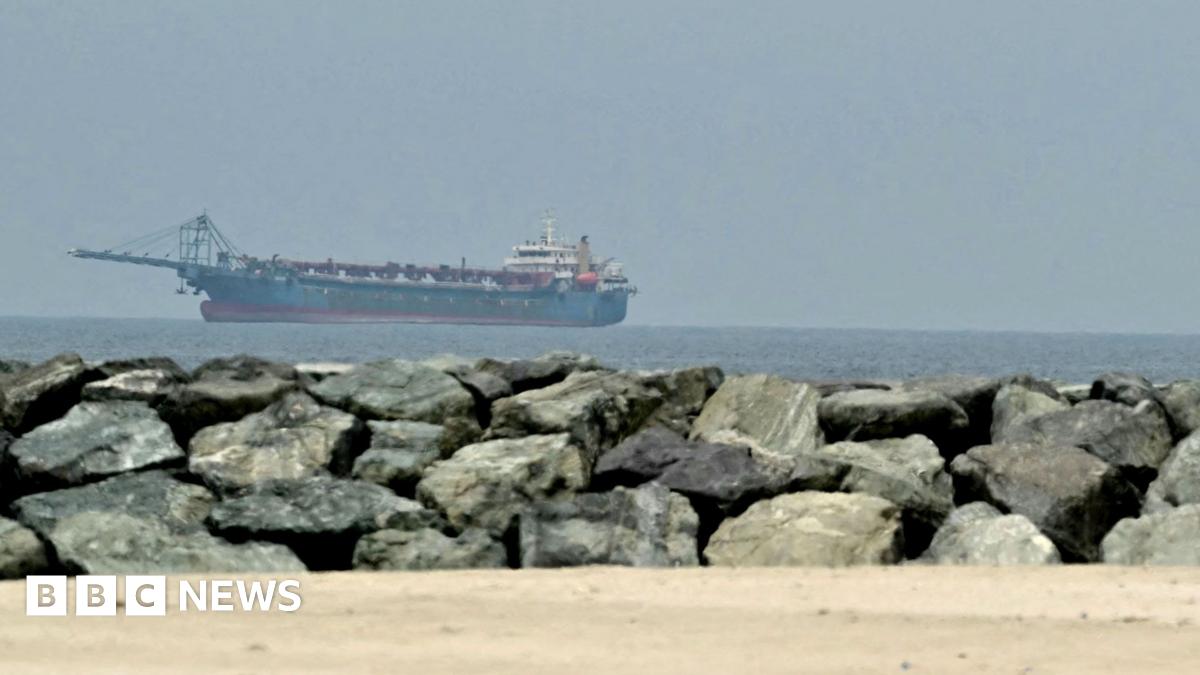
Trump Signals Iran Nuclear Talks May Resume Soon Amid Standoff at Sea
Trump hints at Iran nuclear talks restarting in days after failed Pakistan round; simultaneous US naval blockade marks firm stance on Tehran's regional influence.
Former President Donald Trump has indicated a potential resumption of nuclear negotiations with Iran within the next two days, following an unsuccessful round of talks in Pakistan. This development arrives against a backdrop of sharply increased US naval activity aimed at blocking Iranian maritime routes, while Iran continues to maneuver vessels through the critical Strait of Hormuz. Meanwhile, the broader Middle East diplomatic landscape shifts with Israel and Lebanon agreeing to direct talks, underscoring a complex geopolitical moment.
Why This Matters
Trump’s statement on April 15, 2026, about possible imminent talks marks a pivotal moment after the latest dialogue attempt in Islamabad failed to produce an agreement. While no official deal is announced, the United States appears eager to re-engage diplomatically, suggesting that Washington sees ongoing negotiation, rather than escalating conflict, as its favored path for constraining Iran’s nuclear ambitions for now. This is notable coming from Trump, whose previous administration took a far more confrontational stance, culminating in the 2018 US withdrawal from the 2015 Iran nuclear deal (JCPOA). His current position may reflect political repositioning or new intelligence assessments pressing for diplomacy.
Simultaneously, the US launched a naval blockade on Iranian ports, reporting no vessels passed within the first 24 hours. However, multiple Iran-linked ships transited the Strait of Hormuz, a chokepoint through which about 20% of the world’s oil trade flows. This naval action illustrates the Biden administration’s willingness to exert maximum leverage, restricting Iran’s economic lifelines while keeping diplomatic channels open. The dual approach reflects a “carrot-and-stick” strategy aimed at compelling Iran back to substantive nuclear constraints without immediate military escalation.
The Strait of Hormuz crossings illustrate Iran’s maritime flexibility and resilience, highlighting the limits of US naval enforcement given the waterway’s narrowness and high commercial traffic. This dynamic complicates Washington’s strategic calculations: a hard blockade risks confrontation with Tehran or allies, yet too much leniency undermines pressure on Iranian hardliners.
Regional Implications and Historical Context
This tension-filled moment echoes past peaks in US-Iran stand-offs, notably the 2019-2020 naval flare-ups and the 2021 negotiation lapses. Iran’s nuclear program has been a chronic global flashpoint since the early 2000s, with intermittent diplomacy under the JCPOA often unraveling due to mutual distrust and domestic political pressures.
Adding an unexpected element, Israel and Lebanon agreed on April 15 to engage in direct negotiations. Historically adversarial, their willingness to talk suggests regional actors might seek to de-escalate local conflicts even as the larger US-Iran standoff intensifies. Such diplomacy could recalibrate alliances or create new fault lines, particularly given Israel’s vocal opposition to Iran’s regional influence and nuclear ambitions.
What to Watch Next
- Whether Trump’s claimed two-day timeline for resumed Iran talks materializes, and if so, the tone and substance of these discussions.
- How the naval blockade evolves: will the US intensify interdictions or modify enforcement to avoid overt confrontation in the Strait of Hormuz?
- Iran’s internal response: hardliners could leverage maritime maneuvers to strengthen their position against conciliatory factions seeking deal revival.
- The trajectory of Israel-Lebanon talks, which could realign regional diplomacy and potentially influence Iranian calculations indirectly.
This moment balances precariously between renewed diplomacy and escalating brinkmanship. The world watches closely as Washington juggles pressure tactics with negotiation offers, seeking to prevent another collapse of a critical nonproliferation framework while managing volatile regional dynamics.
For deeper context on US-Iran relations and regional geopolitics, see Global Politics and
Iran.
Trump says Iran talks could resume 'over next two days' as US blocks ports
Discover more
Conflict & Security
De la Espriella's Razor Win Resets US-Colomb
De la Espriella's razor-thin election win signals a reset in US-Colombia relations, reshaping security ties and the agenda under a Trump-aligned approach.
International Relations
Colombia's Razor-Thin Rightward Pivot
Colombia swings right as Abelardo de la Espriella narrowly wins the presidential runoff by under one percent, exposing a deeply divided and polarized nation.
Global Politics
Iran Demands US Enforce Ceasefire
Iran insists the United States must enforce a ceasefire in Lebanon to uphold the memorandum of understanding, raising pressure on Washington and Netanyahu.

Conflict & Security
Trump's Iran Deal Faces Bipartisan Backlash
Trump's Iran deal draws fierce criticism from both Republicans and Democrats, exposing deep political divides over the ceasefire and the terms of the agreement.