Trump Teases US-Iran Talks Amid Tensions
Potential negotiations could reshape regional dynamics in 48 hours.
Model Diplomat2 min readMiddle East
Trump Signals Renewed US-Iran Talks Amid Middle East Tensions
President Trump hinted at fresh US-Iran negotiations in the next 48 hours as Washington hosts parallel Israel-Lebanon diplomacy amid escalating regional volatility.
President Trump’s recent statement that the US may resume talks with Iran within two days marks a potential pivot point in a highly fraught geopolitical moment. This comes as indirect US-Iran negotiations, facilitated by intermediaries in Islamabad, failed to reach a settlement last weekend, primarily due to disputes over Iran’s nuclear program and US sanctions. The prospect of a “second round” signals Washington’s willingness to momentarily dial back from its current hardline posture exemplified by a naval blockade of Iranian ports in the Strait of Hormuz — itself a flashpoint threatening global oil supplies AP News.
Why It Matters: A Delicate Balancing Act
The backdrop to these talks is an increasingly volatile Middle East. The US blockade, launched to curb Iran’s regional influence and nuclear ambitions, has provoked sharp threats from Tehran of retaliatory strikes. Trump’s public warnings that any Iranian vessels approaching the blockade risk "quick and brutal" destruction have only ratcheted up tensions.
Simultaneously, Washington is also hosting discreet but reportedly “constructive” talks between Israeli and Lebanese ambassadors. This is significant because Lebanon remains a battlefield where Iran-backed Hezbollah continues to challenge Israel, resulting in over a million displaced and ongoing conflict since March 2026. These parallel consultations illustrate a rare moment when Washington is actively engaging multiple regional actors concurrently — attempting to mitigate broader conflict risks while juggling its own punitive Iran strategy.
This dual-track diplomacy recalls past US efforts during the 2015 Iran nuclear deal negotiations, which combined direct diplomacy with regional security assurances. Yet, today’s environment is more unstable: the massive displacement in Lebanon and the volatile standoff in the Strait of Hormuz carry immediate humanitarian and economic threats that could escalate faster than before.
What to Watch Next
The key developments to monitor in the next 72 hours include:
- Whether the announced second round of US-Iran talks materializes and where it takes place—Islamabad remains the likely venue.
- Iran’s response on military and diplomatic fronts, especially if it signals willingness to compromise or doubles down on threats.
- The outcomes of ongoing Israel-Lebanon diplomatic engagement in Washington and if this eases Hezbollah-related violence.
- Any shifts in the enforcement or scope of the US naval blockade in the Strait of Hormuz, a choke point for about 20% of the world’s oil shipments.
The stakes are high. A breakthrough could ease a powder keg situation, stabilizing global energy markets and reducing the risk of wider regional war. Failure or missteps risk deepening hostilities, drawing external powers into an even more dangerous arena.
These fast-moving developments underscore the complicated calculus behind US foreign policy in the Middle East today — bridging hard power posturing with an urgent search for dialogue to defuse critical flashpoints.
Explore more about Global Politics and the
United States on this evolving story.
Discover more

Global Politics
Israel-Lebanon Talks and Trump's Iran Shift
Israel and Lebanon open direct talks while Trump hints at Iran negotiations in Pakistan, reshaping Middle East diplomacy and regional power dynamics in flux.

Conflict & Security
Drone Warfare Killing Aid Workers at Unprec
Over 1,000 humanitarian workers killed in three years as cheap armed drones collapse legal protections. Gaza, Sudan, Ukraine, and DRC see deliberate targeting of aid convoys and hospitals with zero prosecutions.

Global
World Normalises Taliban as Afghan Women Eras
UN data shows Afghan women erased from public life as Russia recognises the Taliban, EU hosts officials in Brussels, and ICC warrants for gender persecution go unenforced.
Conflict & Security
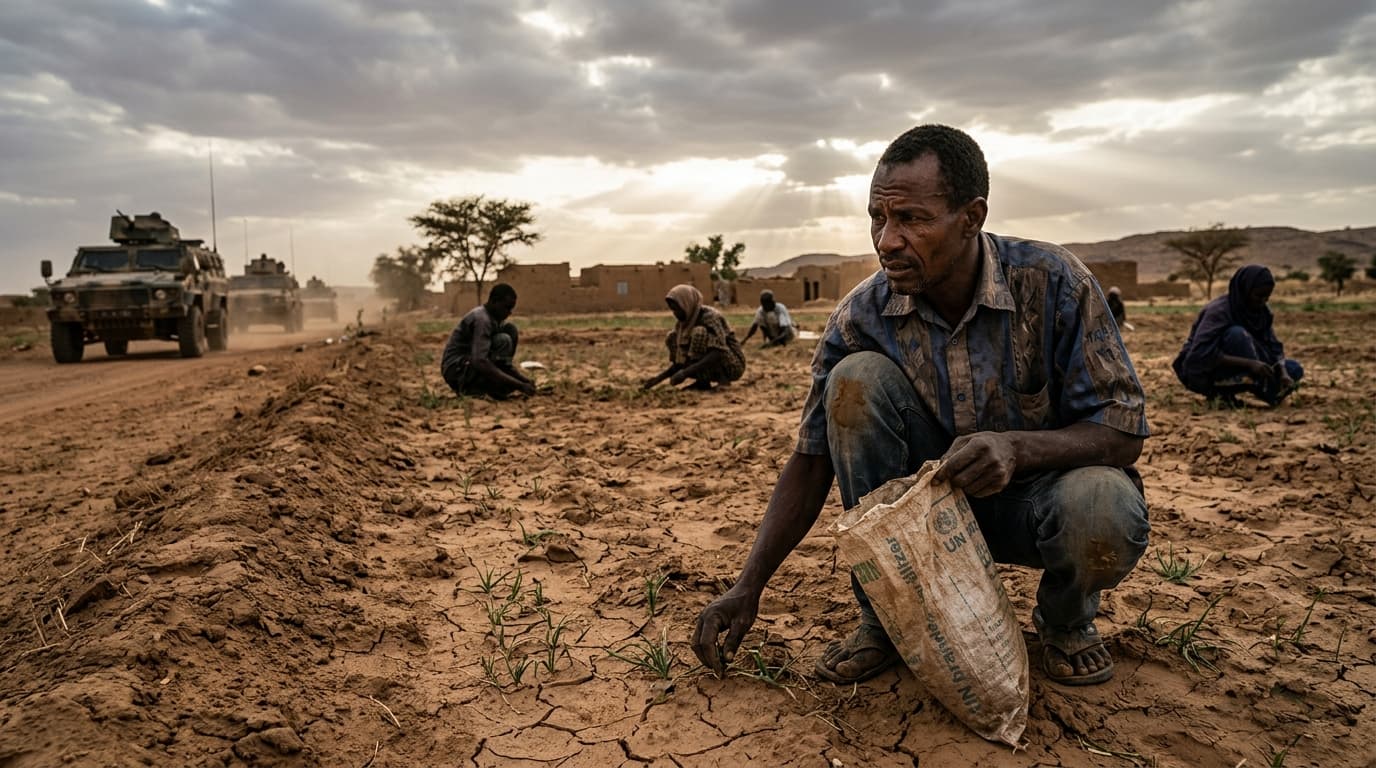
West Africa Food Crisis: Three Shocks in 2026
Conflict, climate extremes, and the Strait of Hormuz closure drive a severe food crisis in West and Central Africa, with fertilizer prices surging 80% and millions displaced.