Tom Cotton's Permitting Push
Sen. Cotton links regulatory reform to national security concerns.
Model Diplomat3 min readUnited States
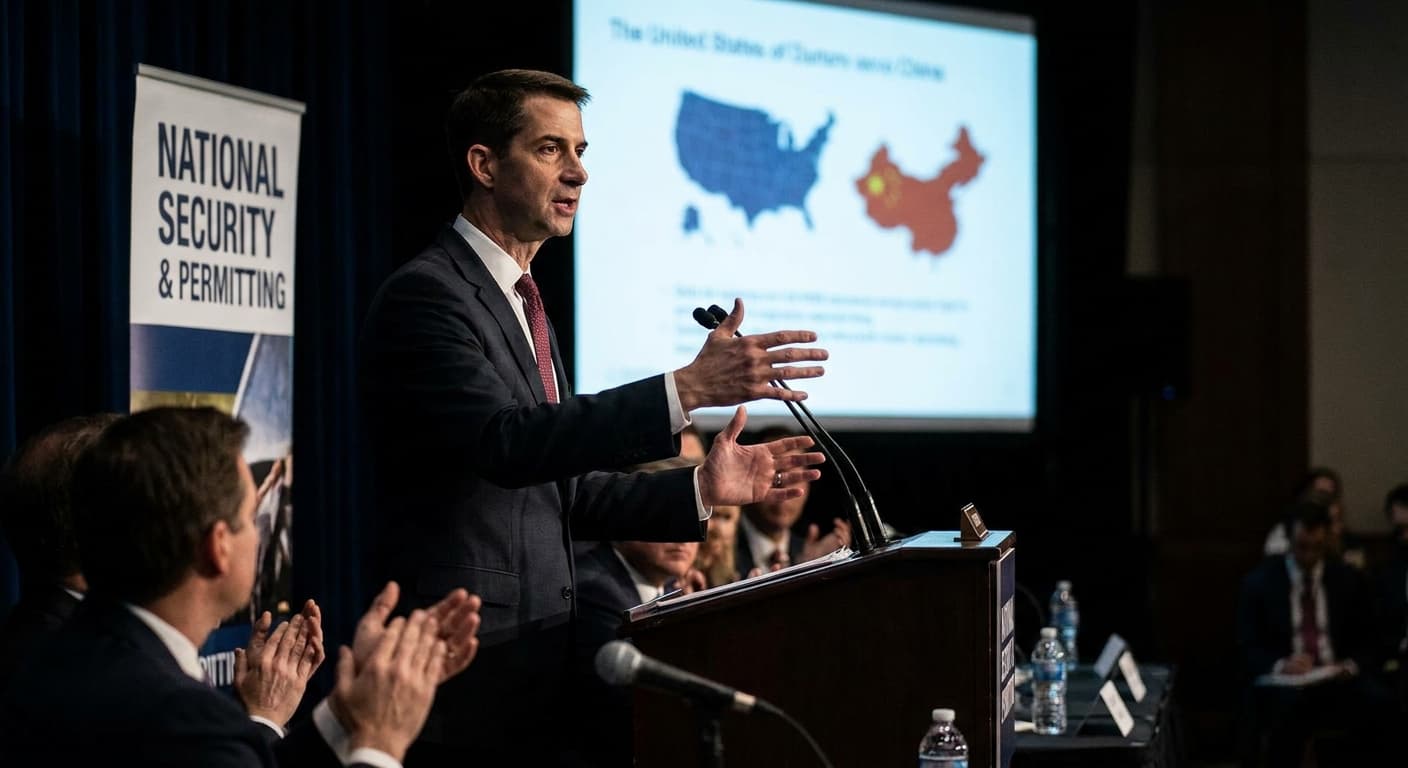
Cotton's Permitting Push Is Really About China and Iran
Sen. Tom Cotton frames regulatory gridlock as a national security crisis — and the geopolitical backdrop makes that argument harder to dismiss.
Senator Tom Cotton (R-AR) used a Washington Post op-ed on April 27 to reframe a domestic regulatory debate as a front in America's great-power competition. The argument: the same permitting maze that delays a highway or a solar farm can stall a weapons factory, a naval shipyard, or a rare-earth processing plant. With U.S.-Iran tensions running hot — including Trump's threat to blockade the Strait of Hormuz after talks collapsed earlier this month — and China quietly
expanding its nuclear weapons infrastructure, the national security framing carries real weight.
The Actual Problem Cotton Is Targeting
The core bottleneck is NEPA — the National Environmental Policy Act — which requires environmental impact reviews before federal agencies greenlight major projects. In practice, those reviews average 4.5 years for major infrastructure and can run longer for projects touching federal land or waterways. The Pentagon has flagged permitting delays as a constraint on expanding domestic munitions production and hardening supply chains. Cotton's framing aligns with a broader Republican push: Sen. Cynthia Lummis (R-WY) made the same case in a Washington Post op-ed on April 8, praising Trump administration executive actions while warning that only Congress can make reform durable.
The executive branch has already moved. Trump has used executive orders to expedite reviews for energy and defense-related projects. But those orders are legally fragile — one court challenge can freeze a project mid-construction. Statutory reform is the only permanent fix, and that requires 60 Senate votes, meaning at least some Democratic buy-in.
Who Benefits, Who Resists
The coalition Cotton needs is unusual. Defense hawks want faster factory approvals. Energy producers — particularly LNG exporters looking to capitalize on European demand after Russia's war — want faster terminal permits. The U.S. Chamber of Commerce and semiconductor manufacturers want streamlined approvals for fab construction.
The resistance is equally predictable. Environmental advocacy groups and their Senate allies — led by Democrats like Sen. Jeff Merkley (D-OR) — argue that gutting NEPA timelines removes the last meaningful check on projects that damage ecosystems and disproportionately burden frontline communities. They're not wrong that past reform attempts have used "streamlining" as cover for weakening substantive environmental standards, not just cutting procedural delays.
The White House's separate request for $1.5 trillion in defense spending — met with Democratic skepticism in early April — signals the fiscal context. If Congress won't fund defense at that scale, permitting speed becomes even more critical to squeezing output from existing appropriations.
What to Watch Next
The pressure point is the Senate reconciliation package moving through committee this spring. Republican leaders are attempting to attach permitting reform to the budget vehicle, which would lower the vote threshold and bypass the 60-vote filibuster ceiling. Whether the Senate parliamentarian rules those provisions permissible under the Byrd Rule is the next decisive question.
Watch Senate Majority Leader John Thune for signs of whether permitting language survives the parliamentarian's review — and watch swing-vote Democrats, particularly those from energy-producing states, for any indication they'll break from leadership. On the US Politics calendar, the reconciliation deadline is the forcing function. If permitting reform doesn't ride this vehicle, it waits for a future Congress.
Discover more
Global Politics
Trump's Conflicting Messages on Iran War
Trump's mixed messages on Iran reflect a strategy of audience management, benefiting Tehran amid a complex geopolitical landscape.

Conflict & Security
Drone Warfare Killing Aid Workers at Unprec
Over 1,000 humanitarian workers killed in three years as cheap armed drones collapse legal protections. Gaza, Sudan, Ukraine, and DRC see deliberate targeting of aid convoys and hospitals with zero prosecutions.

Global
World Normalises Taliban as Afghan Women Eras
UN data shows Afghan women erased from public life as Russia recognises the Taliban, EU hosts officials in Brussels, and ICC warrants for gender persecution go unenforced.
Conflict & Security
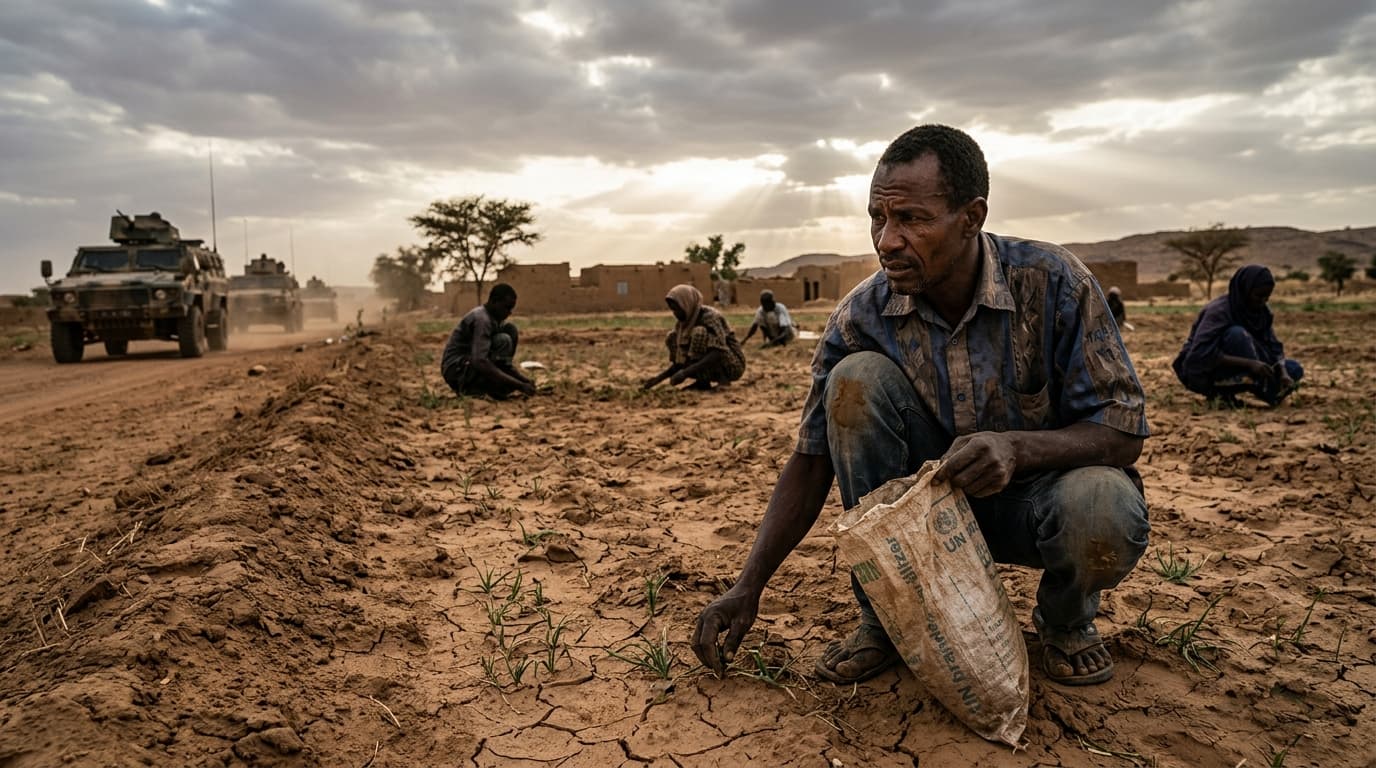
West Africa Food Crisis: Three Shocks in 2026
Conflict, climate extremes, and the Strait of Hormuz closure drive a severe food crisis in West and Central Africa, with fertilizer prices surging 80% and millions displaced.