RFK Jr. Defends Biden's Health Policies
Kennedy faces scrutiny over budget and vaccine policies in Congress
Model Diplomat2 min readUnited States

RFK Jr. Defends HHS Agenda Amid Budget and Vaccine Policy Scrutiny
Robert F. Kennedy Jr.’s first Capitol Hill testimony of 2026 focused on defending the Biden administration’s health priorities amid contentious pushback from Democrats on funding and vaccine policy.
RFK Jr. Takes the Hot Seat
Robert F. Kennedy Jr., the Biden administration’s Secretary of Health and Human Services (HHS), faced intense questioning Tuesday before the House Education and Workforce Committee. Kennedy appeared for his first hearing of the year to address the administration’s health-care priorities, centering on budget proposals and controversial shifts in vaccine policies that have unsettled some Democrats.
The hearing comes at a crucial moment as Congress debates the fiscal year 2027 budget for HHS—a department with a $1.8 trillion discretionary and mandatory budget that funds everything from Medicare to pandemic response. Kennedy defended proposed cuts in some programs as necessary to realign priorities but pushed back against accusations that the administration is undermining vaccine programs, a lightning rod issue given his public skepticism toward established vaccine science.
Why This Matters
Kennedy carries an unusual profile for an HHS secretary: a staunch vaccine critic who has publicly questioned mainstream scientific consensus. His appointment clashed with long-standing Democratic priorities, particularly as the party has largely championed aggressive COVID-19 vaccination campaigns. For Kennedy to now sit as the point person tasked with defending these policies signals a tactical recalibration by the administration, aiming to strike a balance between appeasing progressive demands and addressing public hesitancy around vaccines.
His firm defense of the administration’s health agenda—amid pointed questioning by Democrats—is also a test of the Biden administration’s messaging discipline going into the 2026 midterms. The hearing revealed fissures within the party, with lawmakers worried that any perceived softness on vaccine policy could be politically damaging, especially in swing districts hit hard by the pandemic.
Budget debates only magnify the stakes. Proposed cuts to certain HHS programs risk alienating constituencies reliant on Medicaid and other social safety nets, and could complicate negotiations with a divided Congress. How Kennedy argues these justifications may shape the final budget outcomes, affecting funding for public health infrastructure and research at pivotal moments when pandemic preparedness remains a top national priority.
What to Watch Next
The Johnson administration’s ability to navigate these internal and external pressures will be critical. Kennedy’s forthcoming appearances and negotiations with committees controlling appropriations will reveal whether the administration can hold the line on its health agenda or will have to recalibrate priorities under congressional pressure.
Additionally, the vaccine policy debate will remain front and center. Expect Democrats to intensify scrutiny, especially as states weigh mandates and booster campaigns amid fluctuating COVID-19 cases. Kennedy’s testimony sets a precedent for how the administration reconciles the gap between his past vaccine skepticism and current official policy.
For ongoing context on U.S. health policy and political dynamics, see our United States politics coverage and the latest from
Global Politics.
RFK Jr. defends HHS priorities before House committee – The Hill
Discover more

US Politics
Democrats Challenge Trump-Era Budget Cuts
In a tense House hearing, OMB Director Vought drew Democratic fire over a budget that boosts defense spending sharply while cutting nondefense programs deeply.

US Politics
Biden's $1.5T Military Budget Amid Iran Tense
The Biden administration's $1.5 trillion military budget faces scrutiny amid murky Iran war costs, exposing deep fiscal and strategic challenges for US defense.

Conflict & Security
Drone Warfare Killing Aid Workers at Unprec
Over 1,000 humanitarian workers killed in three years as cheap armed drones collapse legal protections. Gaza, Sudan, Ukraine, and DRC see deliberate targeting of aid convoys and hospitals with zero prosecutions.
Global
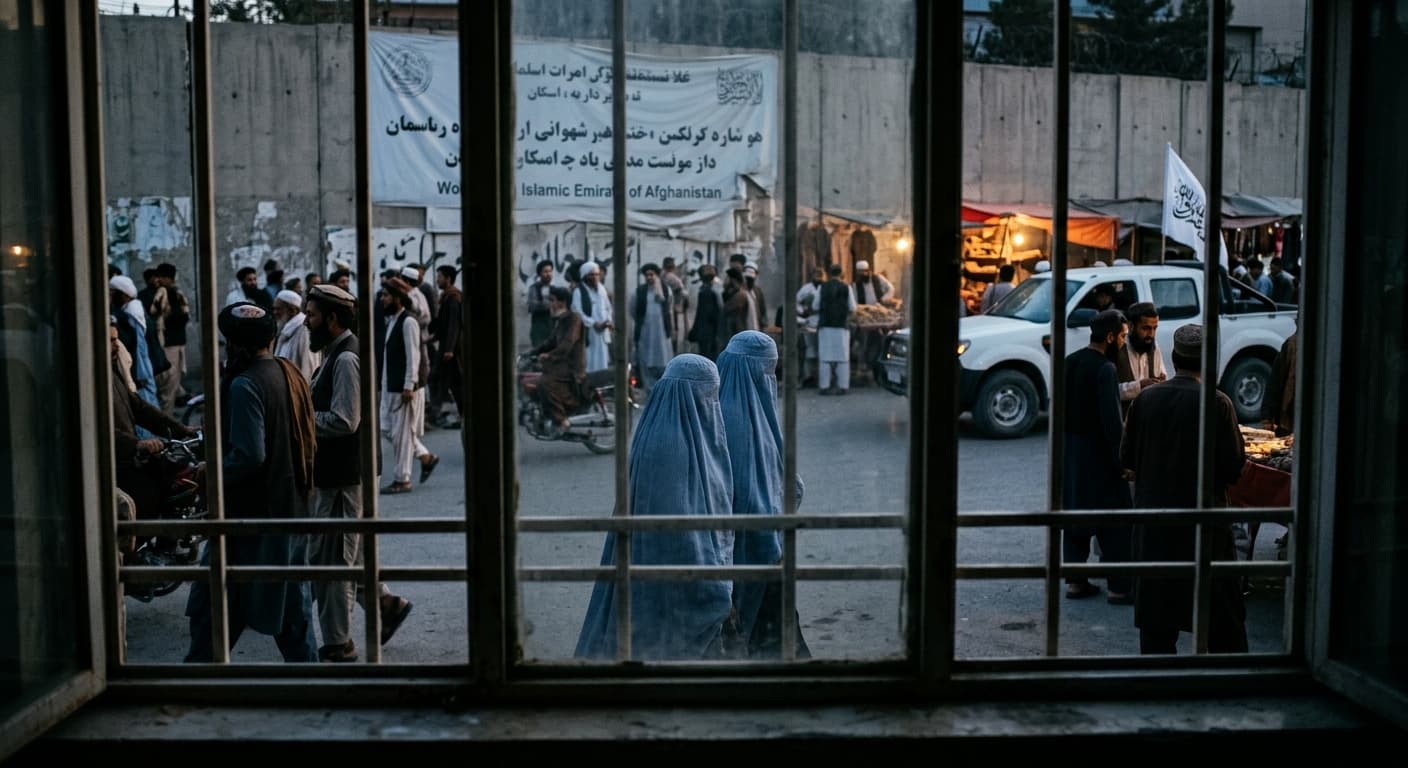
World Normalises Taliban as Afghan Women Eras
UN data shows Afghan women erased from public life as Russia recognises the Taliban, EU hosts officials in Brussels, and ICC warrants for gender persecution go unenforced.