Paul Clement Leads Law Firms vs. Trump Orders
High-stakes legal battle unfolds in the DC Circuit Court
Model Diplomat3 min readUnited States

Paul Clement vs. the White House: Big Law's Appellate Bet
Trump reversed course on dropping law firm lawsuits — now four targeted firms are fighting back in the DC Circuit with the country's sharpest appellate advocate.
The Trump administration's March 2026 reversal — first signaling it would drop executive-order lawsuits against major law firms, then abruptly telling the DC Circuit it would press on — has forced Perkins Coie, WilmerHale, Jenner & Block, and Susman Godfrey into a high-stakes appellate fight. All four have turned to former U.S. Solicitor General Paul Clement to lead the challenge, according to Reuters.
The choice signals seriousness. Clement is arguably the most influential Supreme Court advocate of his generation — he has argued over 100 cases before the Court and won landmark rulings across ideological lines. His involvement reframes this as a constitutional confrontation, not a regulatory skirmish.
What the Orders Actually Do
Trump's executive orders, issued beginning in early 2025, targeted firms with Democratic political ties — most notably Perkins Coie, which represented Hillary Clinton's 2016 campaign. The orders suspended attorney security clearances, barred firms from federal buildings, disrupted government contracts held by their clients, and penalized DEI hiring practices. CNN reported in March 2025 that Clement filed the initial WilmerHale challenge on First Amendment grounds, arguing the orders chill the adversarial legal process itself.
District courts were receptive. Judge Beryl Howell issued temporary blocks and openly questioned the administration's rationale, calling out its retaliatory logic during oral argument. Perkins Coie and WilmerHale then sought permanent injunctions, arguing the orders are unconstitutional on their face.
The administration's whiplash in March 2026 — briefly retreating, then recommitting to the fight — suggests internal disagreement about litigation exposure. Recommitting locks the DOJ into defending orders that multiple district judges have already viewed skeptically.
The Leverage Map
Who benefits from escalation: The Trump White House extracts political value from the fight itself — framing elite Democratic-linked law firms as targets reinforces a broader narrative about institutional capture. Even losing in court has messaging utility.
Who absorbs the cost: The four firms face ongoing uncertainty around client security clearances and federal-contract adjacency, which matters most to corporate clients with government exposure. Compliance-oriented firms — Paul Weiss notably settled rather than litigate — have already demonstrated that capitulation is on the table, raising pressure on those still fighting.
Clement's entry changes the calculus. His credibility with the Court's conservative supermajority is an explicit strategic asset. The firms aren't just arguing against overreach — they're signaling they can win at the Supreme Court level if it comes to that.
What to Watch
The DC Circuit is now the action. Watch for the panel composition — a favorable draw could produce a ruling that constrains executive retaliation against legal advocates broadly, setting precedent well beyond Big Law.
The next pressure point: whether the Supreme Court grants certiorari if the DC Circuit rules against the government. Clement has argued before that court more than virtually any living lawyer. The administration knows it.
For the broader US political landscape, the outcome will define how far executive power can reach into the
international legal infrastructure that corporations, foreign governments, and civil society all depend on to navigate Washington.
Discover more

US Politics
SNAP Food Assistance Faces Legal Challenges
In 2026, SNAP faces stricter eligibility rules and mounting legal challenges, threatening food assistance for the millions of Americans who rely on the program.

Conflict & Security
Drone Warfare Killing Aid Workers at Unprec
Over 1,000 humanitarian workers killed in three years as cheap armed drones collapse legal protections. Gaza, Sudan, Ukraine, and DRC see deliberate targeting of aid convoys and hospitals with zero prosecutions.
Global
World Normalises Taliban as Afghan Women Eras
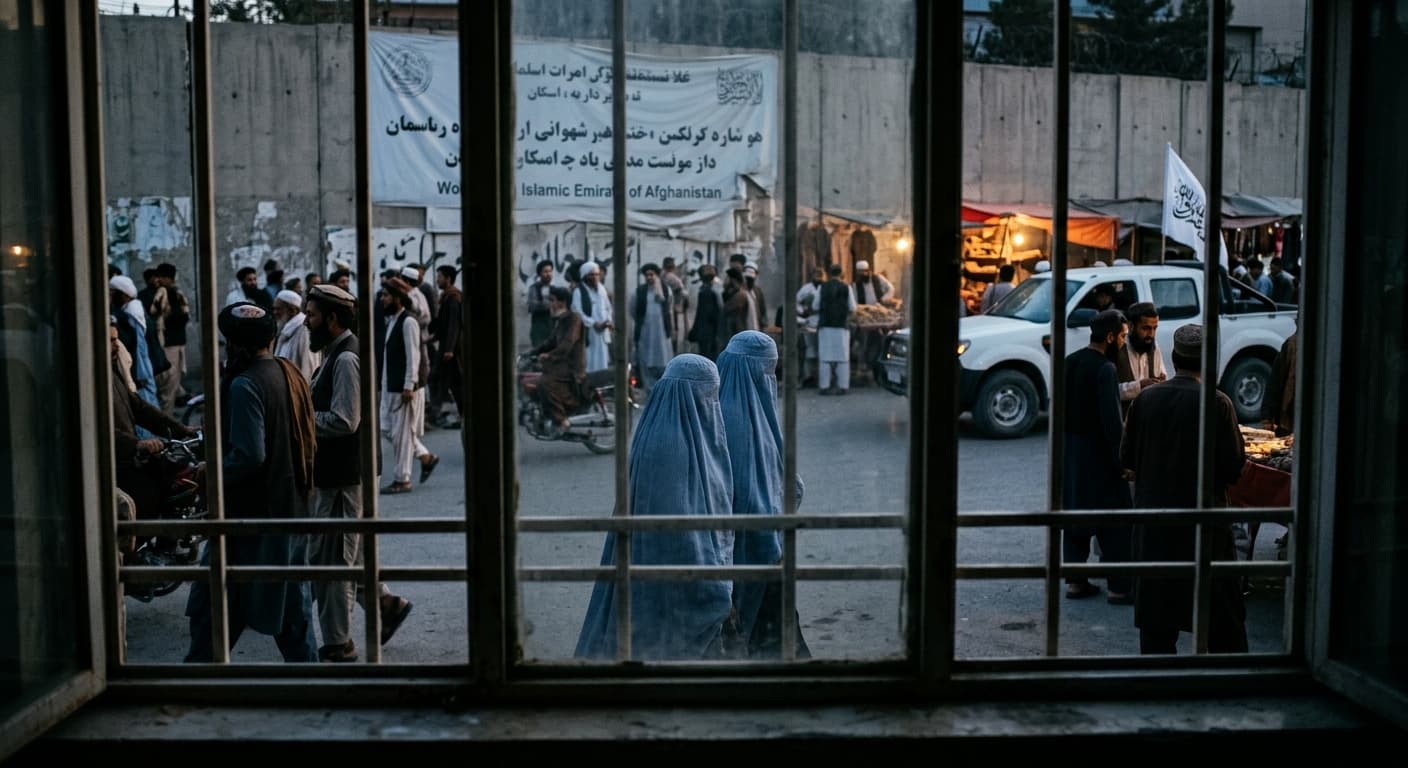
UN data shows Afghan women erased from public life as Russia recognises the Taliban, EU hosts officials in Brussels, and ICC warrants for gender persecution go unenforced.
Conflict & Security
West Africa Food Crisis: Three Shocks in 2026
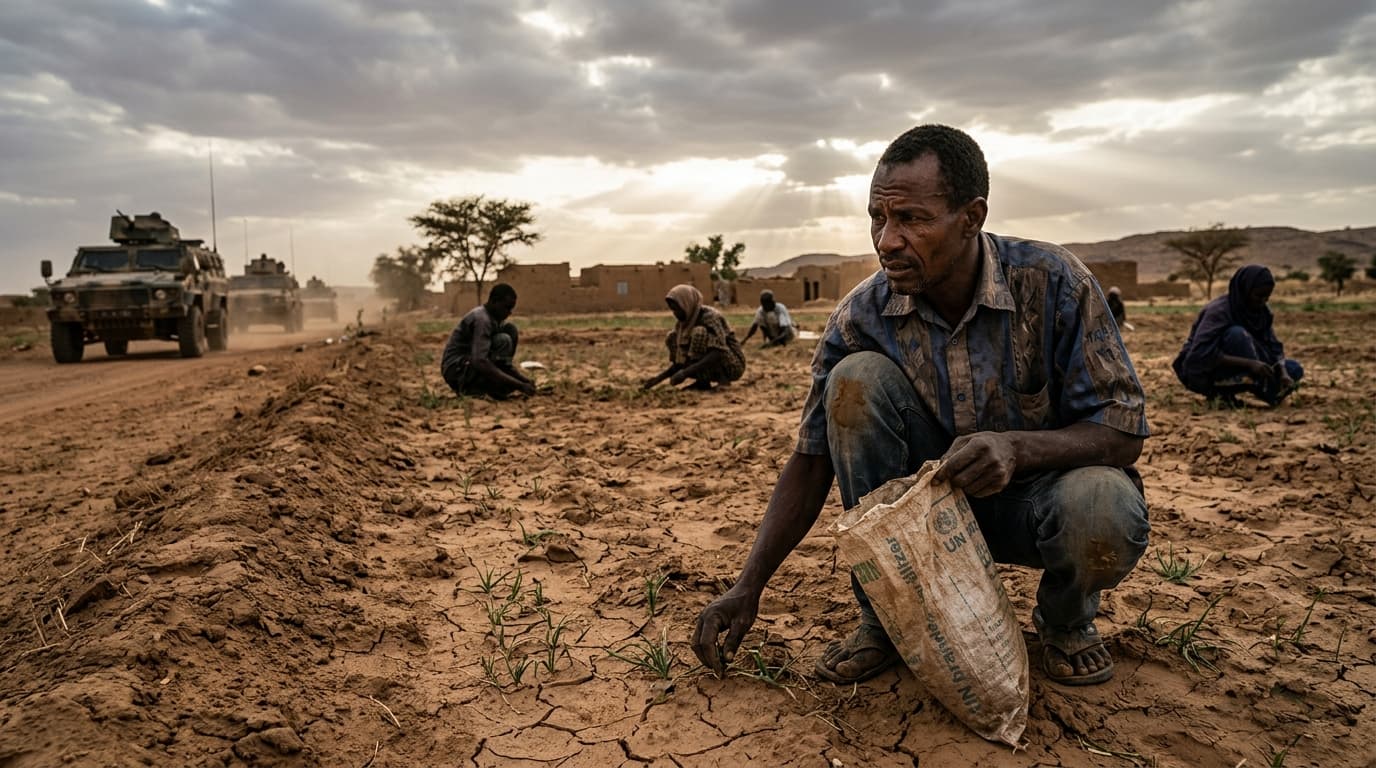
Conflict, climate extremes, and the Strait of Hormuz closure drive a severe food crisis in West and Central Africa, with fertilizer prices surging 80% and millions displaced.