Netanyahu Bets Force Will Reset Lebanon Talks
Israel intensifies strikes on Hezbollah amid diplomatic tensions.
Model Diplomat2 min readMiddle East
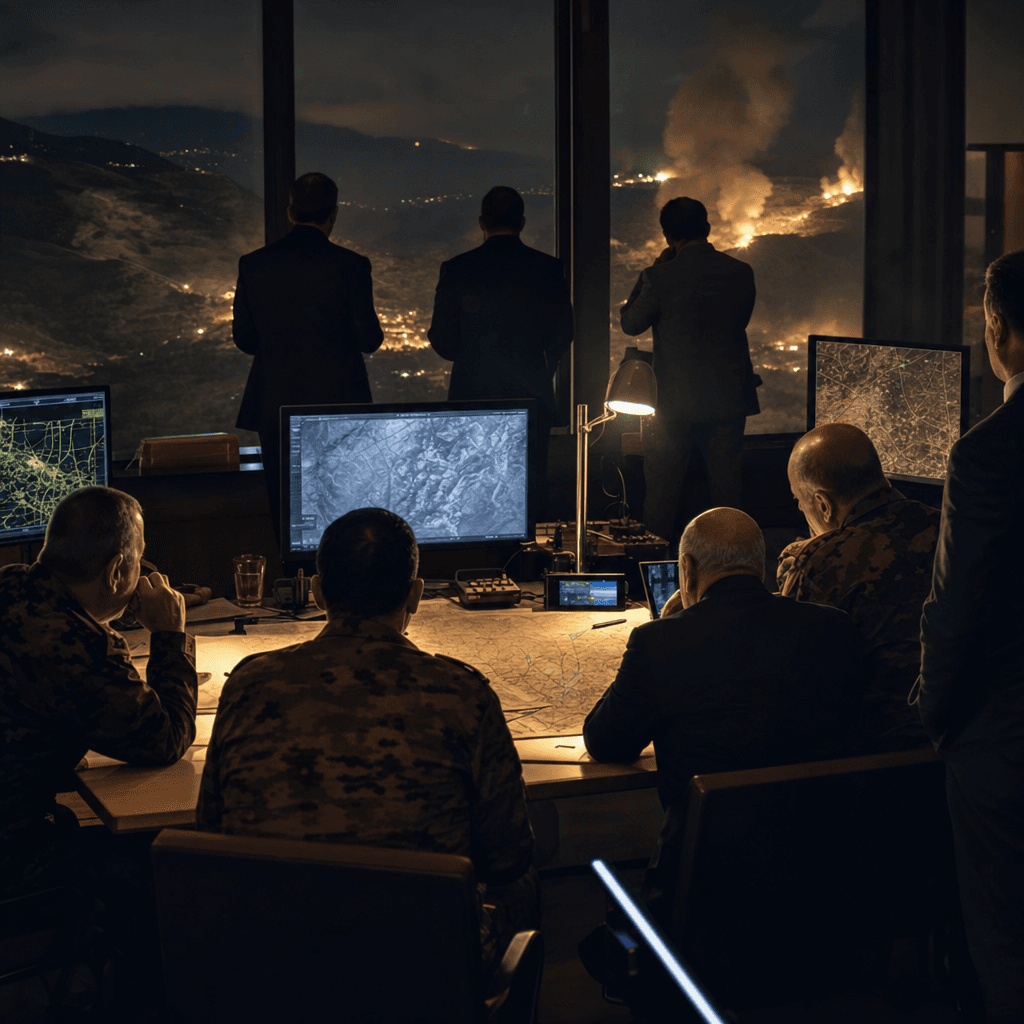
Netanyahu Bets Force Will Reset Lebanon Talks
Israel is widening strikes to impose terms on Hezbollah, but the escalation also raises the cost of diplomacy for Beirut and Washington.
Israeli Prime Minister Benjamin Netanyahu has ordered the military to intensify strikes in Lebanon to “crush” Hezbollah, saying Israel will not “foot off the gas,” according to an official video released Monday night on Telegram by Al Jazeera. Shortly after, the Israeli army said it had hit Hezbollah infrastructure in the Beqaa Valley and elsewhere in Lebanon, while Lebanon’s National News Agency reported displacement from Beirut’s southern suburbs and fresh strikes in the south
Al Jazeera.
Force is the bargaining chip
This is not just battlefield pressure. Netanyahu is using escalation to shape the diplomatic table. The timing matters: Israel is acting despite a US-mediated ceasefire that was recently extended, and despite talks between Lebanese and Israeli delegations aimed at containing the conflict France 24. That tells you the Israeli government believes it can improve its leverage before negotiations harden into restraints.
The domestic politics point the same way. Al Jazeera reported that far-right ministers Bezalel Smotrich and Itamar Ben-Gvir pressed Netanyahu to expand the war, with Ben-Gvir calling for a return to an “intense war” and Smotrich demanding a far heavier response to Hezbollah drones Al Jazeera. Netanyahu is not just responding to Hezbollah fire; he is balancing coalition demands against the need to preserve room for maneuver with Washington.
Beirut pays the immediate price
Lebanon has the weaker hand. Its public-health ministry says more than 3,100 people have been killed since hostilities escalated on March 2, and French outlet France 24 reported 3,123 dead by Sunday, with more strikes across south and east Lebanon. The scale of the damage, plus repeated evacuation warnings, is pushing civilians out of areas where the state is already thin.
That matters because Hezbollah gains politically from survival, but Lebanon’s government absorbs the costs. Israel’s strikes on the Beqaa, Tyre, Nabatieh, and even Beirut’s southern suburbs signal a strategy of widening the pressure beyond the border zone Al Jazeera. For Beirut, this weakens any claim that the ceasefire is holding and complicates the government’s effort to keep talks alive under US auspices
France 24.
What to watch next
The next decision point is the diplomatic calendar. Reuters reporting carried by other regional outlets says military delegations are due to meet at the Pentagon on May 29, with follow-on political talks in early June Jordan News Agency. If Israel keeps striking through that window, Washington will face a blunt choice: tolerate escalation as leverage, or press Israel to stop undercutting the very talks it says it supports.
For now, Israel controls the tempo, but not the end state. Hezbollah can still answer with drones and rockets, Lebanon can only absorb more damage, and the United States is left trying to broker a ceasefire while its ally keeps expanding the fire.
Discover more
Tech Policy
Iran's Cavern Manticore Targets Israel's IT
Cavern Manticore, an Iran-linked hacking group, targets Israeli IT vendors, prompting a shift in Israel's cybersecurity policy and legislative efforts.
Tech Policy
Iran's Cavern Manticore Cyber Threat
Iran's Cavern Manticore cyber group exploits Israeli IT networks, leading to new cybersecurity regulations in Israel.
Conflict & Security
UN Report: Israel Targets Palestinian Kids
A UN report accuses Israel of genocide against Palestinian children in Gaza, citing grave human-rights violations and intensifying scrutiny of the war's toll.
Conflict & Security
Israel's Annexation Strategy Escalates
Israel's annexation push goes public as minister Smotrich declares intent in Hebron, signaling an open strategy to entrench West Bank settlements and control.