Modi’s Fuel-Price Worry Is Political, Not Just Economic
Congress is turning the latest petrol-diesel hike into a test of Modi’s credibility, but the real leverage still sits with crude markets and state refiners.
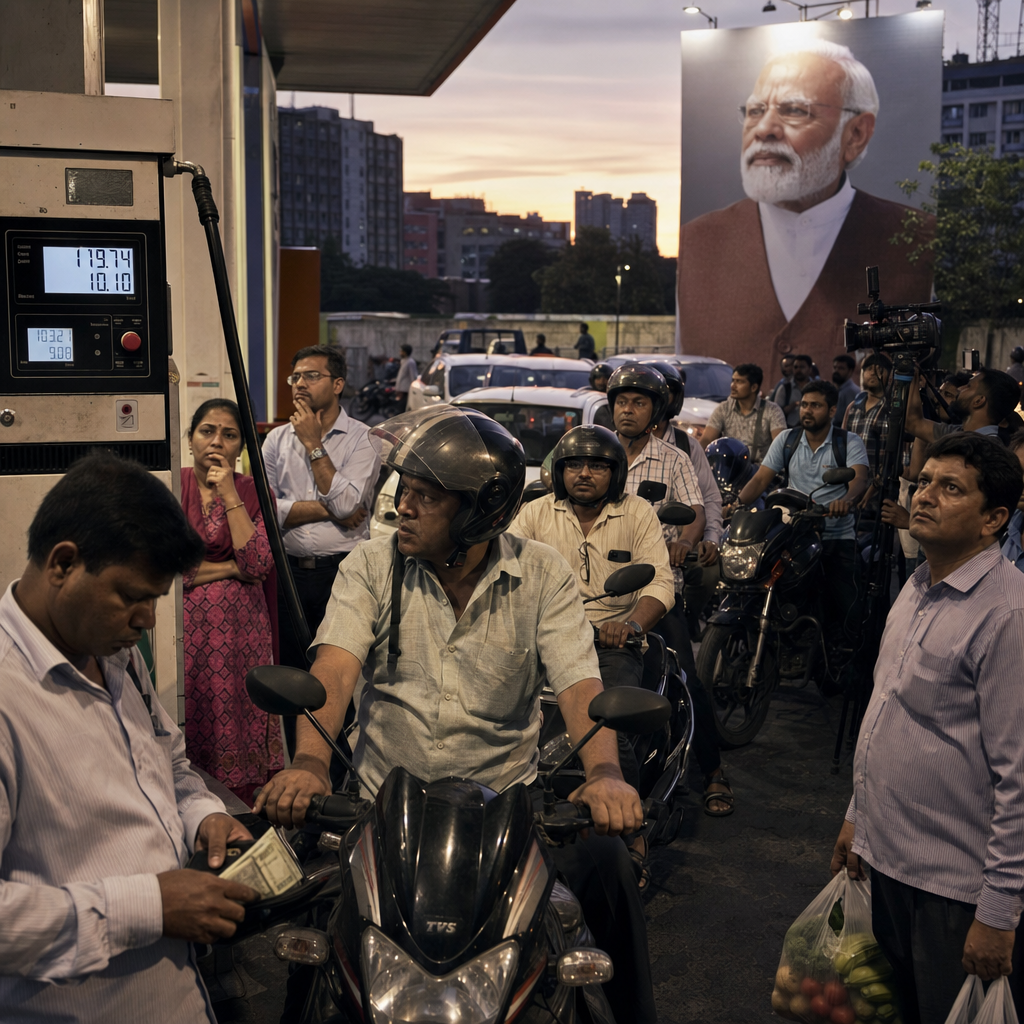
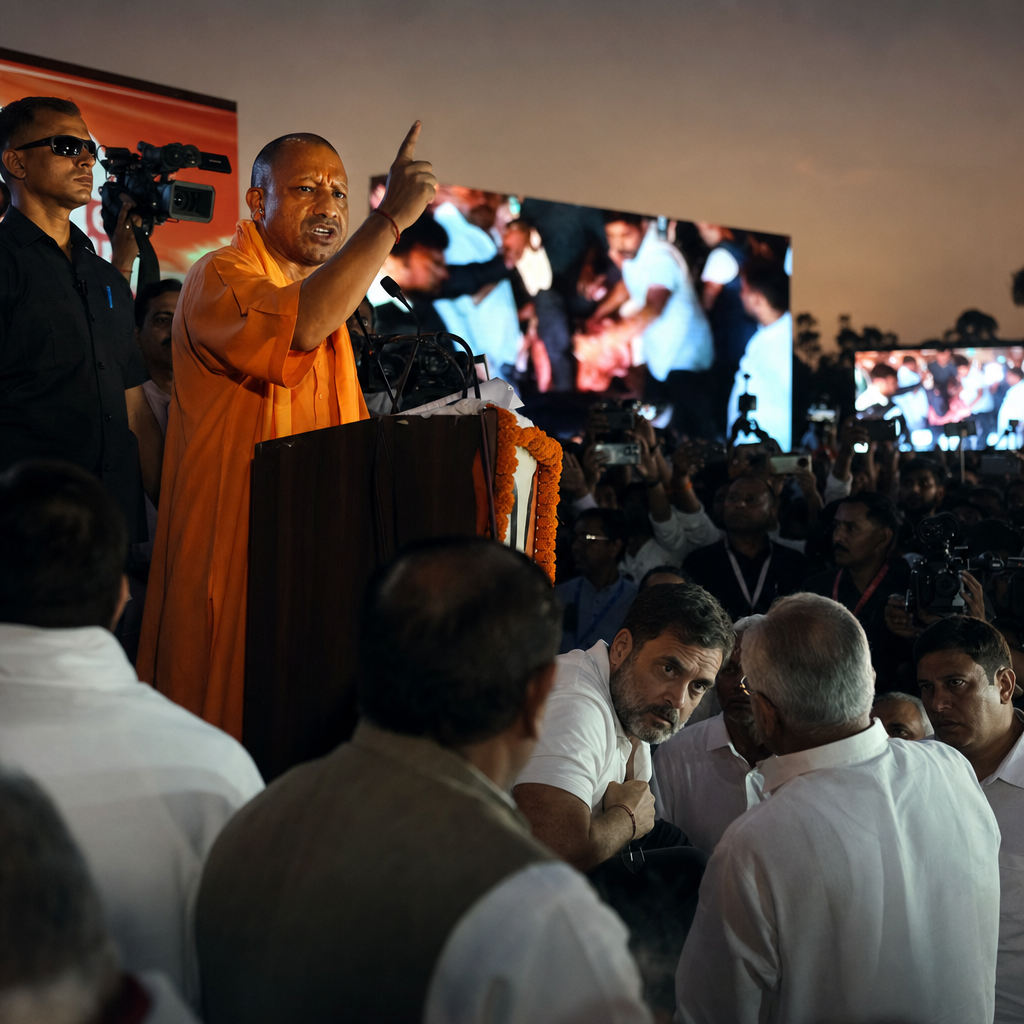
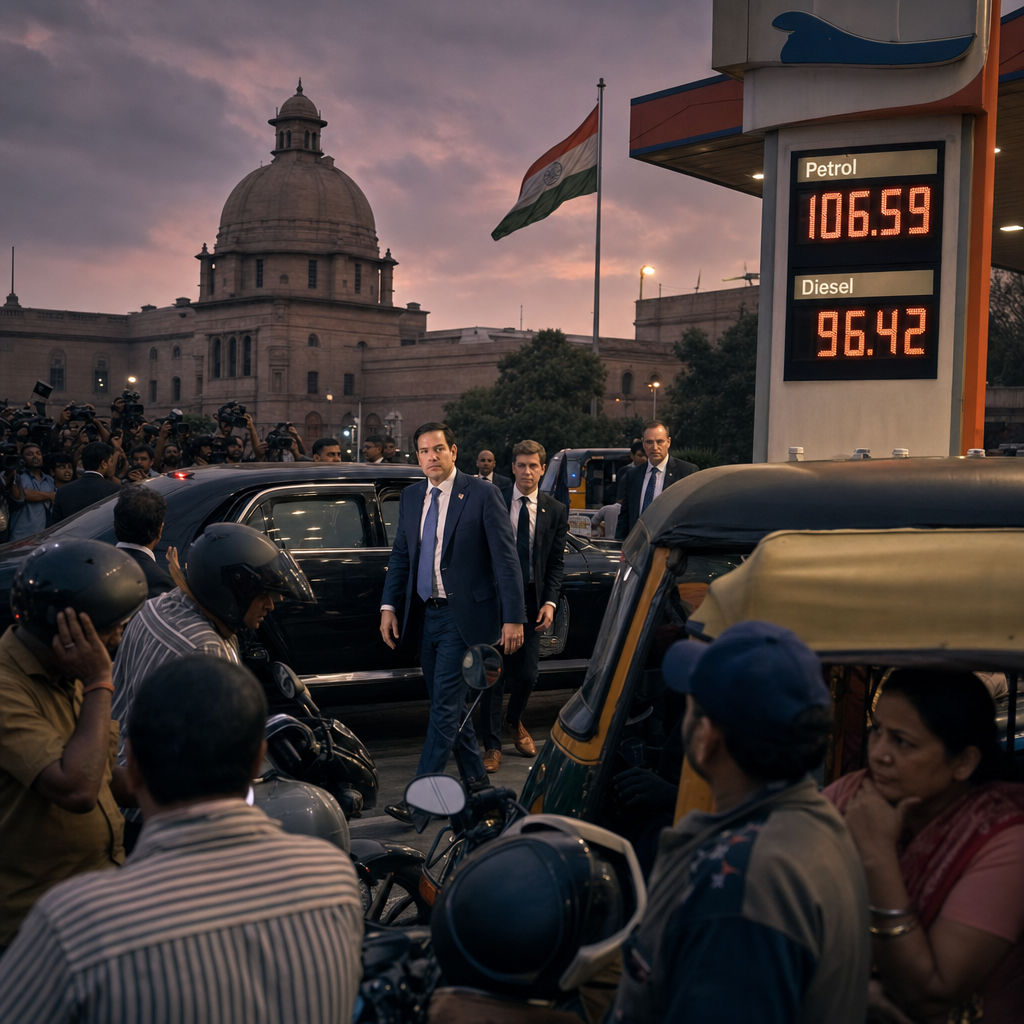
Congress has seized on the latest fuel-price increase to put Prime Minister Narendra Modi on the defensive, with senior leader Rajeev Gowda asking four questions over why consumers were not protected, why India’s energy strategy has not delivered real self-reliance, and what the government will do now to blunt the inflation hit, according to  The Indian Express. The immediate trigger is the fresh rise in petrol and diesel rates after state-owned retailers lifted prices again, with Reuters reporting via
  The Hindu BusinessLine that Delhi pump prices moved to Rs 99.51 a litre for petrol and Rs 92.49 for diesel.
Why this is more than a pricing dispute
This fight lands where the Modi government is most exposed: the cost of living. India imports more than 80% of its crude needs, so retail fuel prices are shaped by global oil markets, currency moves and domestic taxes, not just ministerial intent, as The Indian Express notes. That makes fuel one of the fastest channels through which foreign shocks become household pain: higher transport costs, higher freight bills, and then higher prices for food and essentials.
The Congress is trying to make that chain of pain political. Gowda’s argument is not simply that prices are up; it is that the government has had room in previous years to pass on lower crude prices to consumers, and chose not to, allowing oil firms to bank profits while the tax take stayed high, according to The Indian Express. That message is aimed squarely at urban commuters and middle-class voters, the groups most likely to notice small, repeated increases.
The government’s defense is fiscal restraint
The BJP’s response is familiar and effective in the short term: blame external shocks, not domestic policy.  Daily Pioneer quotes party figures defending the move as “limited and calibrated,” arguing that India had absorbed the global oil shock for weeks before raising prices. Reuters’ reporting in The Hindu BusinessLine adds the operational reason refiners are citing: BPCL still faces sizable per-litre revenue losses even after the hikes, and the oil ministry has said there is no plan for direct financial support.
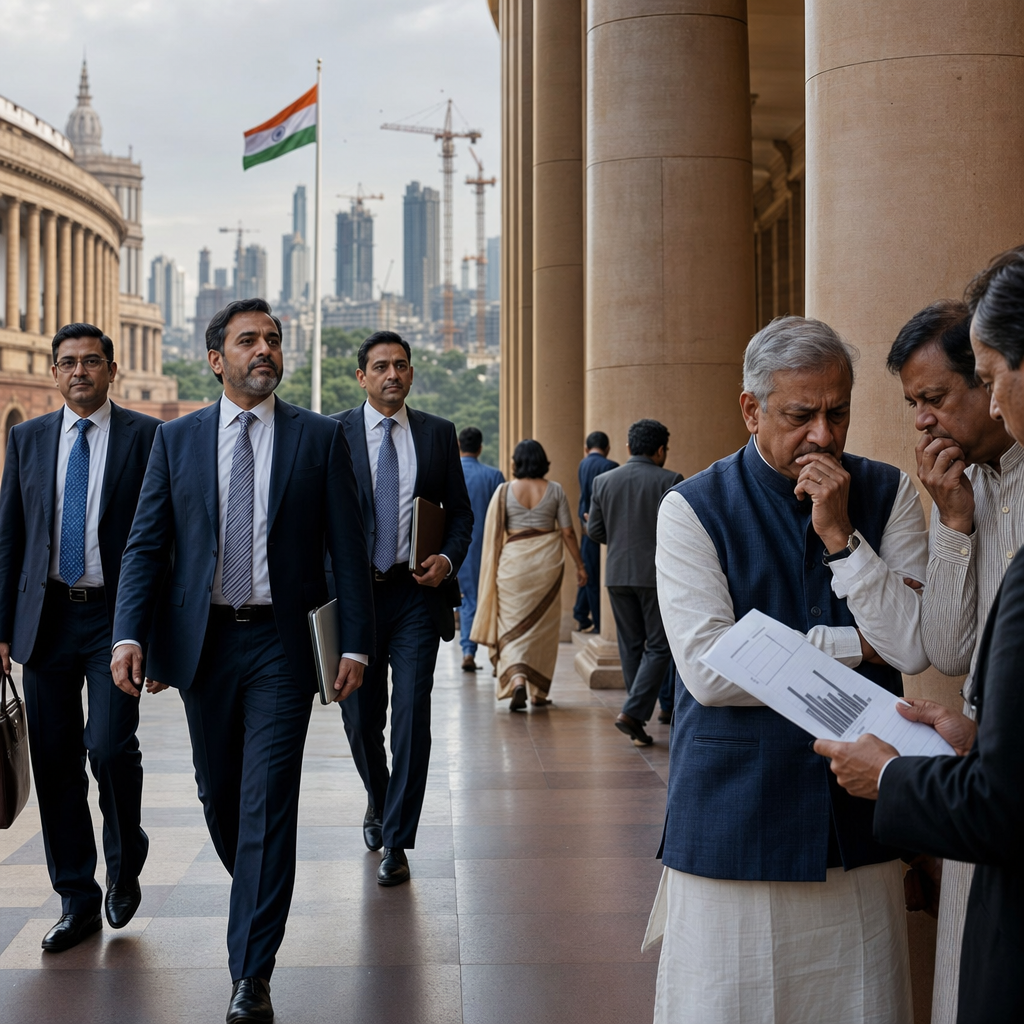
That matters because it narrows the government’s options. If New Delhi subsidises refiners, the fiscal cost rises. If it does nothing, opposition parties get a simple inflation narrative. For  India, the choice is not between pain and no pain; it is between who absorbs the pain and when.
What to watch next
The next decision point is whether fuel prices keep moving in staggered steps. Reuters, via The Hindu BusinessLine, says refiners are still trying to recover losses from elevated crude, which suggests more pressure could follow if global prices stay high. Politically, watch whether the Congress broadens this from a fuel issue into a wider inflation and sovereignty attack — especially on Russian oil and US sanctions waivers, which Gowda and Mallikarjun Kharge have already used to frame the government as economically weak and diplomatically dependent, according to The Indian Express and  Devdiscourse.
The key date now is the next oil-price revision. If pump prices rise again, this stops being a one-day opposition attack and becomes a durable inflation story.