Fuel Hikes Challenge India's Diplomatic Leve
India faces inflation and diplomatic challenges amid fuel price hikes.
Model Diplomat3 min readAsia

Fuel Hikes and Rubio’s Visit Test India’s Leverage
[Petrol and diesel are climbing again as Marco Rubio lands in India, forcing New Delhi to manage inflation risk and strategic repair at once.]
India is being squeezed on both price and diplomacy. Oil-marketing companies raised petrol and diesel for the third time in eight days on May 23, lifting prices by 87-91 paise a litre and taking the cumulative increase since May 15 to ₹4.8 a litre; Delhi is now at ₹99.51 for petrol and ₹92.49 for diesel (The Hindu). On the same day, U.S. Secretary of State Marco Rubio arrived on his maiden four-day visit to India for talks with External Affairs Minister S. Jaishankar, Prime Minister Narendra Modi and the Quad foreign ministers (
The Hindu). India’s leverage is limited on both fronts: it cannot easily absorb higher energy costs, and it cannot let its U.S. reset stall.
Fuel inflation narrows the domestic cushion
The fuel increase matters because it is not a one-off adjustment; it is the third tranche in less than two weeks, and it lands on households and transport costs before it reaches anyone else (The Hindu). That gives the government a narrower cushion just as it faces a wider external shock.
The timing is awkward because the next big diplomatic event in Delhi is the Quad foreign ministers’ meeting on May 26, where the agenda is expected to include the West Asia crisis and the Strait of Hormuz blockade, both of which are already affecting trade and energy supplies across the region (The Hindu). In other words, the fuel hike is not just a domestic price story; it is the first visible cost of a worsening regional energy environment.
For India, that strengthens the case for diversifying supply lines and keeping strategic channels open, which is why the same day’s India diplomacy is so tightly tied to oil economics.
Rubio is coming to reset, not to celebrate
Rubio’s agenda shows Washington still sees India as a critical Indo-Pacific partner, but not an uncomplicated one. The bilateral talks are expected to cover energy, trade, investment, critical technology and people-to-people links, while also addressing the West Asia crisis and its economic impact (The Hindu). That is the real bargaining space: India wants relief on strategic and economic frictions; the U.S. wants alignment on China, the Gulf and supply chains.
The trip also reflects a broader recalibration. The South China Morning Post reported that Rubio is expected to brief New Delhi on Trump’s recent summit with Xi Jinping, underscoring how India is watching whether Washington is still willing to treat it as a central counterweight to China. That is the leverage problem for New Delhi: the U.S. needs India, but it is also trying to keep its options open with Beijing.
What to watch next
The key date is May 26. If the Quad meeting produces strong language on the free and open Indo-Pacific but little on trade or energy insulation, India will have preserved the strategic frame without solving the economic squeeze (The Hindu). Also watch whether Rubio and Jaishankar can put a timeline on the unfinished bilateral trade agreement, because that is where the practical payoff lies (
The Hindu).
For India, the immediate test is simple: can it turn a fuel shock into diplomatic leverage, or does it end up paying more at the pump while getting only promises in return?
Discover more
India
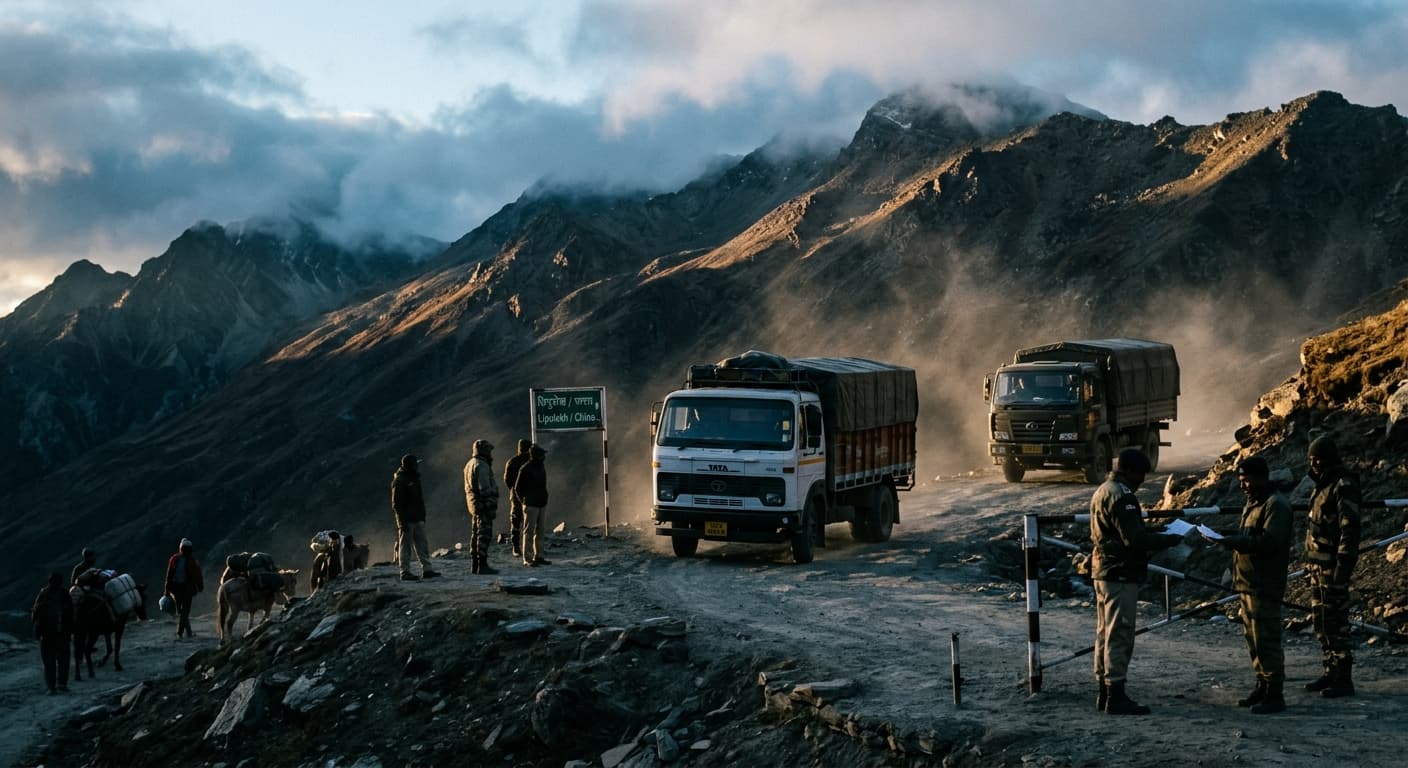
Lipulekh Pass Reopens: India-China Trade
India and China reopen the Lipulekh Pass for cross-border trade, signaling a cautious thaw in relations after years of frozen frontier and diplomatic tensions.

India
India, South Korea Forge Five-Year Plan
India and South Korea have agreed on a five-year partnership plan to deepen trade and defense cooperation, strengthening strategic and economic regional ties.

India
India Rebukes Pakistan at UNSC on Kashmir
India's UN envoy sharply rebuked Pakistan for politicizing a UN Security Council meeting on Kashmir, accusing Islamabad of diverting attention with rhetoric.
India
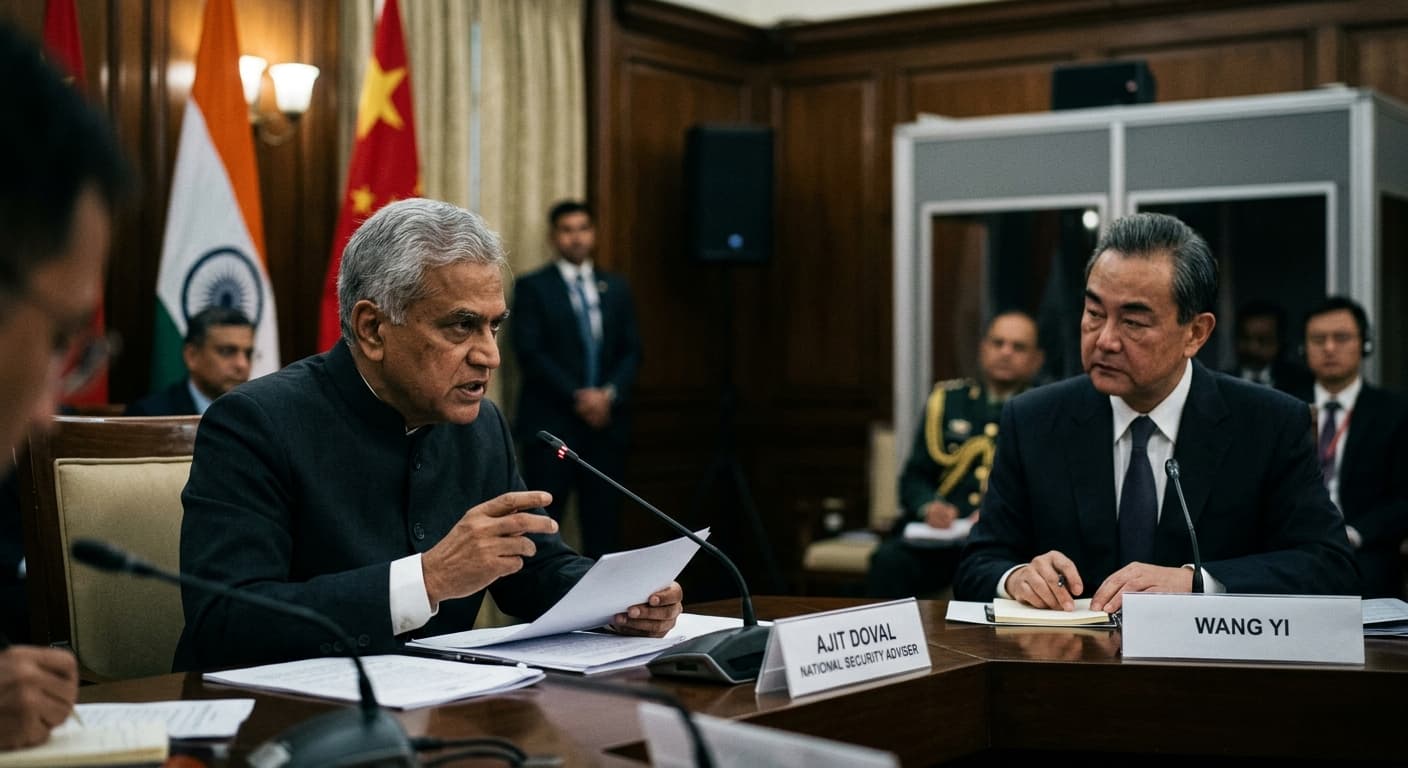
Doval's Message: India Signals Sensitivity
India's Doval signals sensitivity to core national interests in talks with China, stressing mutual respect on border tensions to steady the wider relationship.