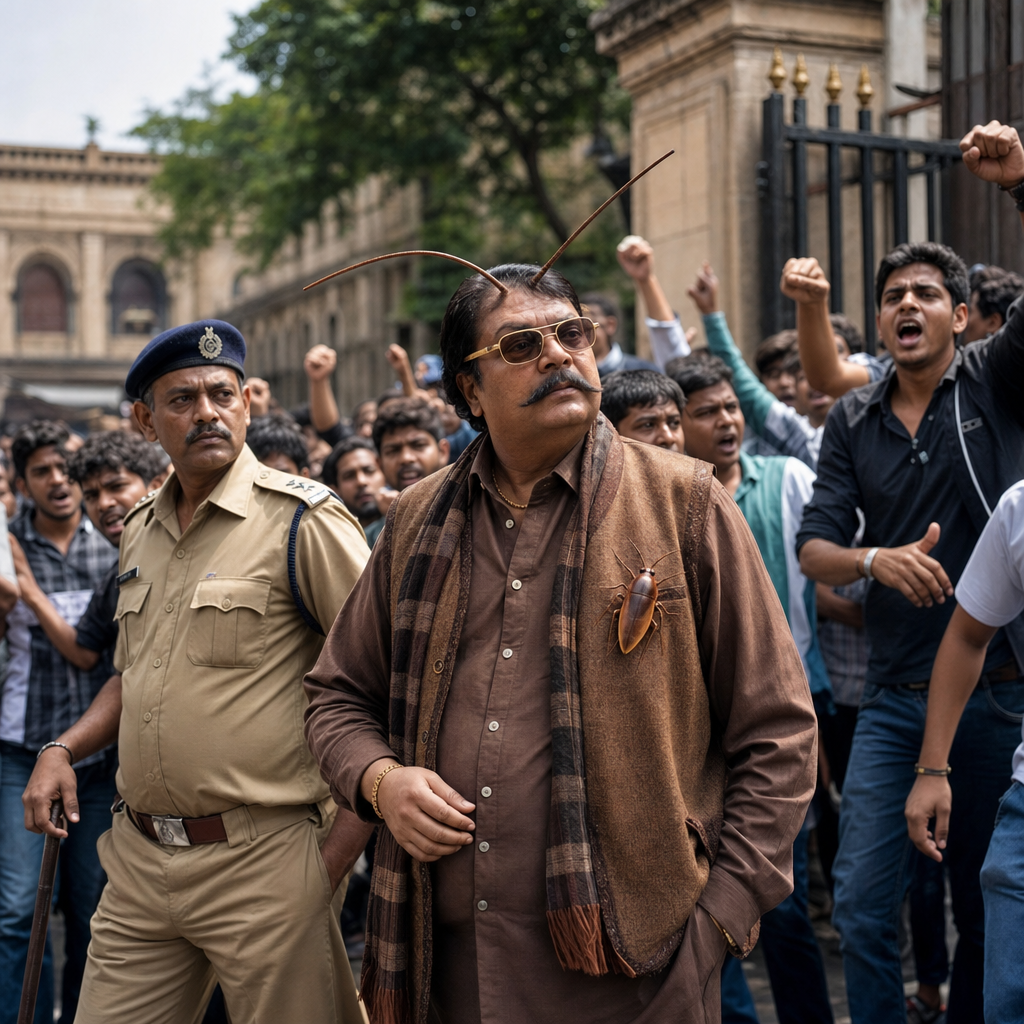
Maharashtra Police Guard Viral Cockroach Janta Party
Police say the guard is for crowd control, but the real fight is over who controls a viral satire movement shaping youth anger.
Police have posted round-the-clock protection outside Abhijeet Dipke’s home in Chhatrapati Sambhajinagar, saying the move is meant to prevent crowding as the satirical Cockroach Janta Party trends online, not because of a formal threat complaint ( The Hindu). That is the power dynamic here: the state is treating a meme-driven political brand as a public-order issue before it turns into a street-level one. In
  India, that usually means the first line of control is not ideology but policing, platform access and crowd management.
Crowd control is the immediate objective
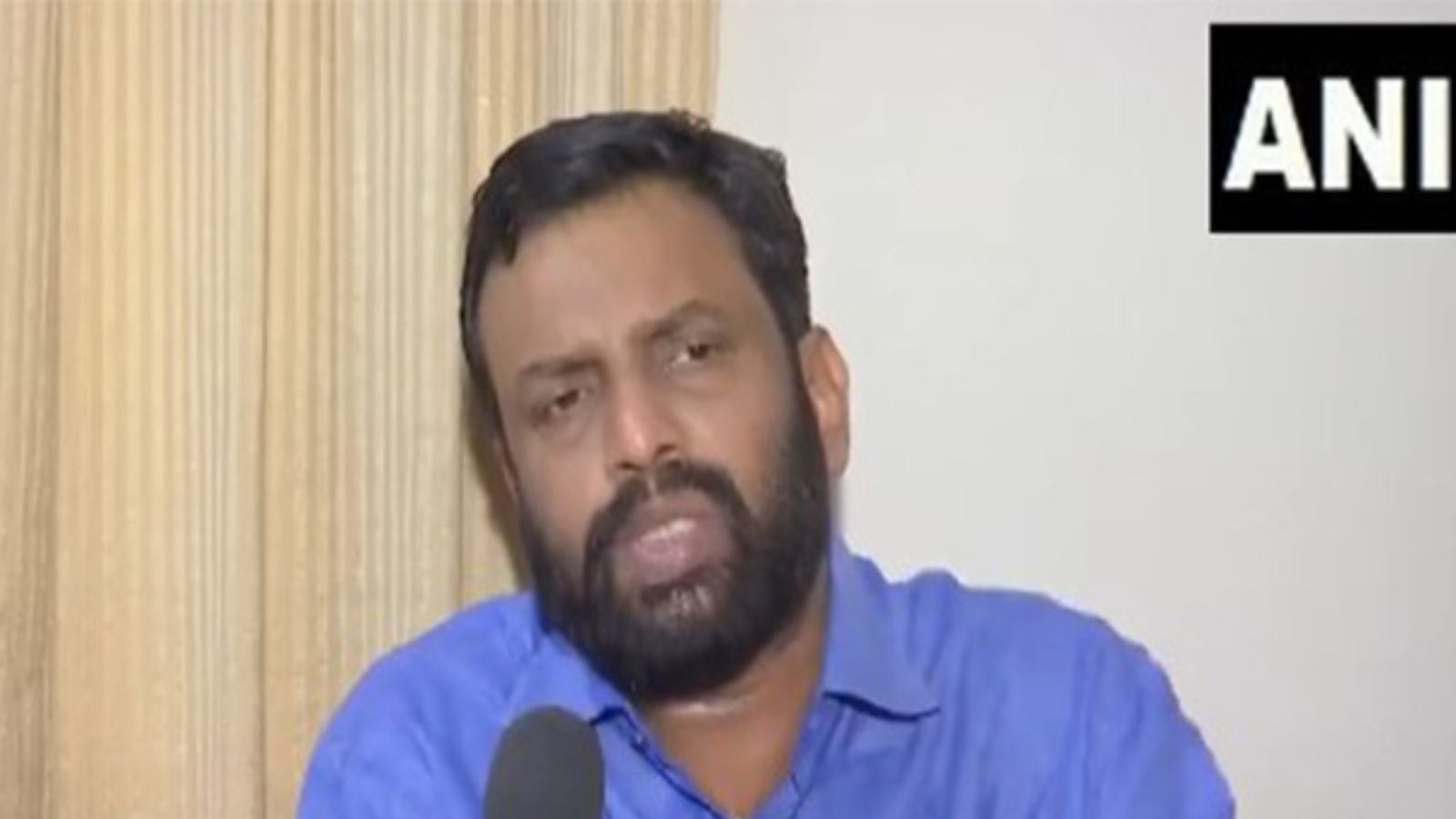
Deputy Commissioner of Police Pankaj Atulkar said the “general” protection was provided to stop people gathering outside Dipke’s residence and denied that it was triggered by any security threat ( The Hindu BusinessLine). The same message was carried in other coverage from
  The Week, which reported police saying the deployment was simply to manage crowd build-up around the viral movement.
That matters because the CJP’s leverage is not organisational strength; it is attention. The group surged by turning anger over unemployment, exam paper leaks and education problems into a satirical political identity (The Hindu BusinessLine;  Times Now). That makes it harder to ignore than a normal fringe outfit: once a joke starts aggregating grievance, authorities have to choose between tolerating it, blocking it, or validating it by overreacting.
A viral joke is now a political test
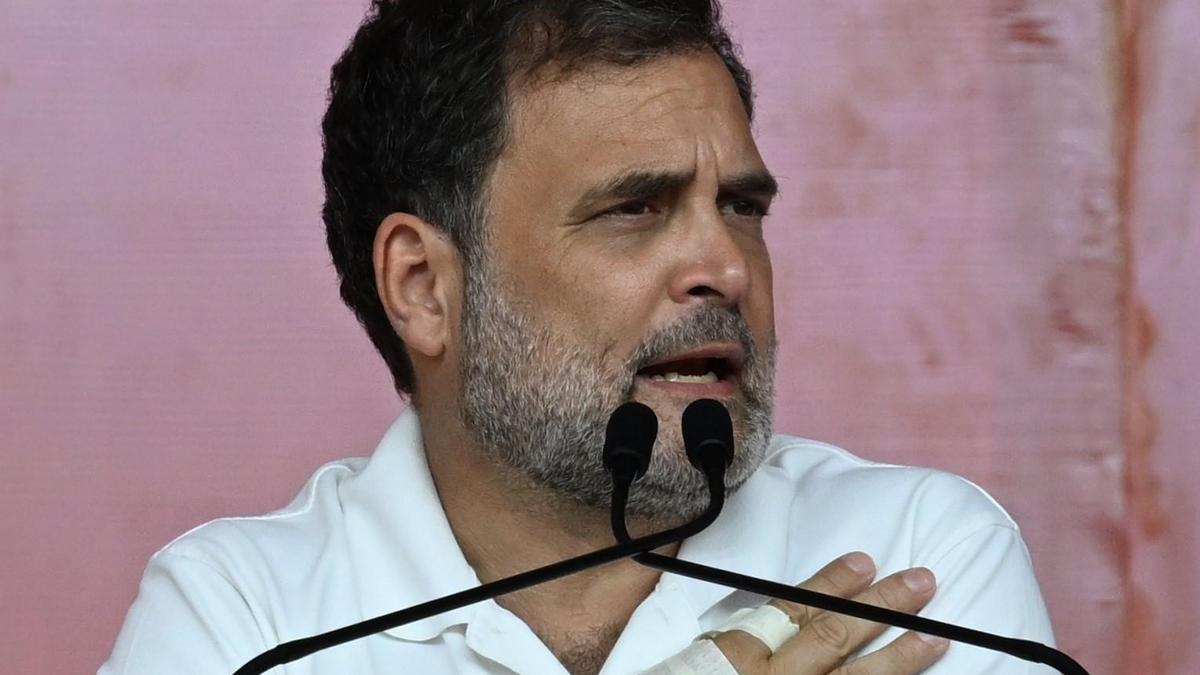
Dipke has already said his accounts were hacked or taken down, and The Hindu reported his claim that the movement was facing a crackdown, while Congress leaders alleged an Intelligence Bureau warning about possible unrest had prompted blocking action (The Hindu). The Week reported the same Congress line: that the government acted after an IB report said the campaign could trigger unrest.
Those allegations are politically useful whether or not they are fully verified in the public record. For the opposition, they offer a censorship narrative. For the ruling side, they justify a preventive-security response. For Dipke, they provide the best possible fuel: a story in which a satirical project is important enough to be watched, protected and possibly constrained.
The result is a familiar Indian pattern. When online politics gets traction fast, the state’s instinct is to manage optics and movement, not debate the underlying grievance. The CJP benefits from that asymmetry. Every police cone outside Dipke’s house is a reminder that the movement has already forced a response.
What to watch next
The next decision point is whether police keep treating this as a crowd-control problem or whether any formal case, account restriction or broader crackdown follows. Watch for fresh action on the group’s social media handles, any public clarification from Maharashtra authorities, and whether the online surge fades or hardens into a durable youth protest brand. If the attention keeps climbing, the CJP will remain less a party than a stress test for how far the system can absorb dissent that arrives as satire.