Israel's Lebanon Strategy and Iran Talks
Israel's military moves complicate US-Iran negotiations.
Model Diplomat3 min readMiddle East
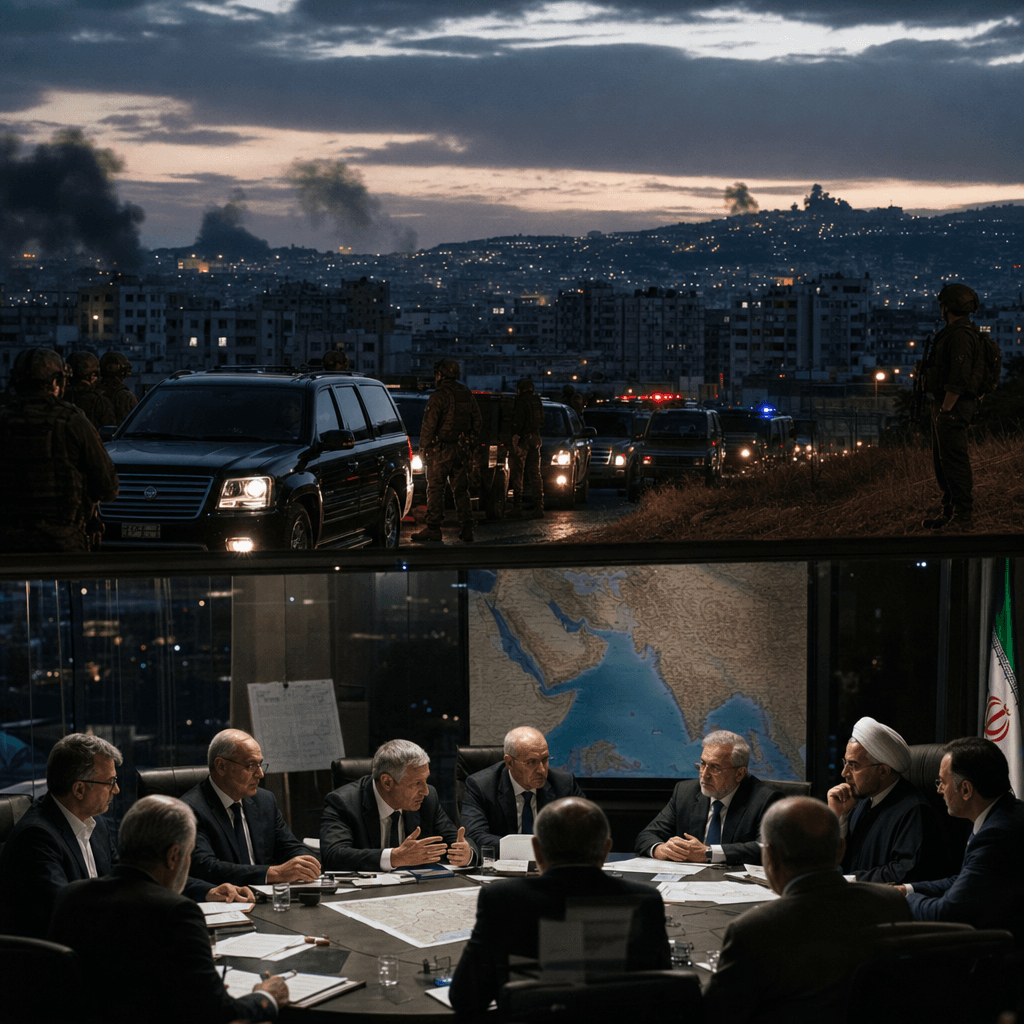
Israel Uses South Lebanon to Raise Iran Deal Price
Evacuation orders south of the Zahrani River show Israel pushing a deeper buffer zone in Lebanon while Iran talks stay unsettled.
Israel has ordered residents of all towns and villages south of Lebanon’s Zahrani River to evacuate, including the city of Tyre, as its bombardment and ground activity widen, Al Jazeera reported. This is not just a battlefield warning. It is an attempt to empty territory, shift the front line north, and make any regional settlement pricier for Washington and Tehran.
The leverage move
Asharq Al-Awsat reported that an Israeli military official said troops had moved beyond the Israeli-announced “Yellow Line” in south Lebanon, while Israeli army spokesman Avichay Adraee told residents of Tyre to move north of the Zahrani River. That is the clearest signal yet that Israel is not limiting itself to strike-and-withdraw operations. It is using military pressure to create a broader security belt in Lebanese territory.
The human effect is immediate. Petra reported that Tyre was seeing heavy displacement toward Sidon after the warnings, and that at least 20 people were wounded in strikes on the city. The same report said Lebanon’s health ministry put the cumulative toll from the offensive since March 2 at 3,269 killed and 9,840 wounded. In other words, the evacuation order is landing on top of a campaign already built around coercive displacement.
For Beirut, that means less room to argue for a quick stabilization line and more pressure to absorb civilians, manage shelter, and confront the possibility that Israel is trying to entrench a new de facto border. For Hezbollah, the cost is obvious: it may gain propaganda value from Israeli overreach, but it loses terrain, civilian cover, and freedom of movement.
Why Lebanon is now part of the Iran file
The wider political point is that Lebanon has become a bargaining chip in the US-Iran track. In the same Al Jazeera liveblog, Donald Trump said Tehran would get no sanctions relief for giving up its highly enriched uranium, while Ebrahim Azizi of Iran’s parliament said Trump’s rhetoric would not move Tehran off its “red lines.” That talks are still alive in Qatar matters less than the fact that the battlefield is still expanding elsewhere.
This is why Israel’s Lebanon operation matters beyond Lebanon. If Washington wants to close a deal with Tehran, it has to account for the front that Israel is still actively widening in the south. The Israelis can now argue they are shaping the regional balance before any agreement freezes it in place; the Americans, by contrast, are trying to finish negotiations while one of their closest allies keeps changing the map. For a broader frame, this is now a Conflict story as much as a Lebanon story.
What to watch next
The key decision point is whether Israel stops at the Zahrani line or keeps pushing toward the Litani River. Asharq Al-Awsat says Israeli ground activity has already crossed the Yellow Line;
Al Jazeera says Trump’s team still believes a deal with Iran is possible. If the south Lebanon front keeps moving, the next big test is not only what is signed in Qatar, but whether Washington can restrain Israel before the temporary security zone turns into a permanent one.
Discover more

Tech Policy
Iran's Cavern Manticore Targets Israel's IT
Cavern Manticore, an Iran-linked hacking group, targets Israeli IT vendors, prompting a shift in Israel's cybersecurity policy and legislative efforts.

Tech Policy
Iran's Cavern Manticore Cyber Threat
Iran's Cavern Manticore cyber group exploits Israeli IT networks, leading to new cybersecurity regulations in Israel.

Conflict & Security
UN Report: Israel Targets Palestinian Kids
A UN report accuses Israel of genocide against Palestinian children in Gaza, citing grave human-rights violations and intensifying scrutiny of the war's toll.
Conflict & Security
Israel's Annexation Strategy Escalates
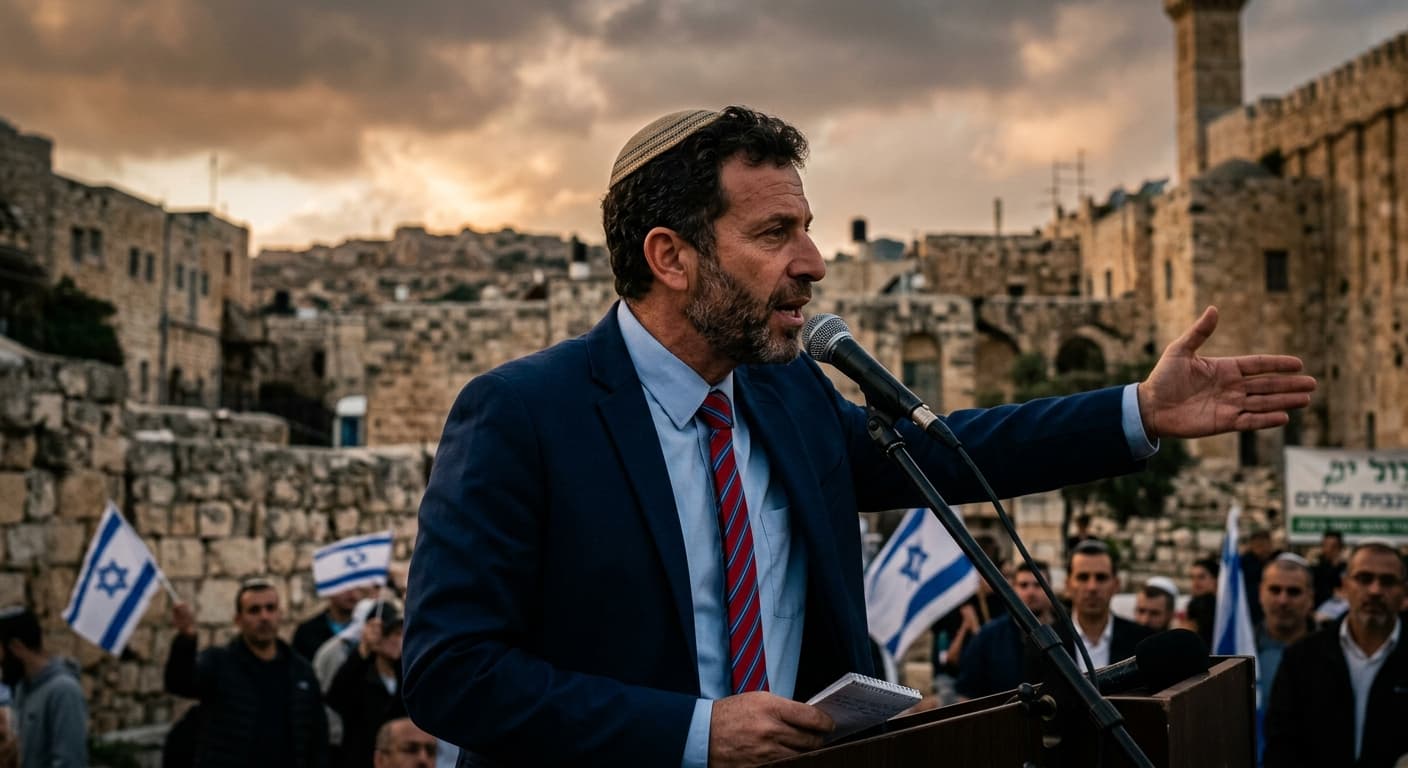
Israel's annexation push goes public as minister Smotrich declares intent in Hebron, signaling an open strategy to entrench West Bank settlements and control.