Israel Targets Hamas’s New War Chief
Netanyahu strikes Hamas leadership amid stalled talks.
Model Diplomat3 min readMiddle East
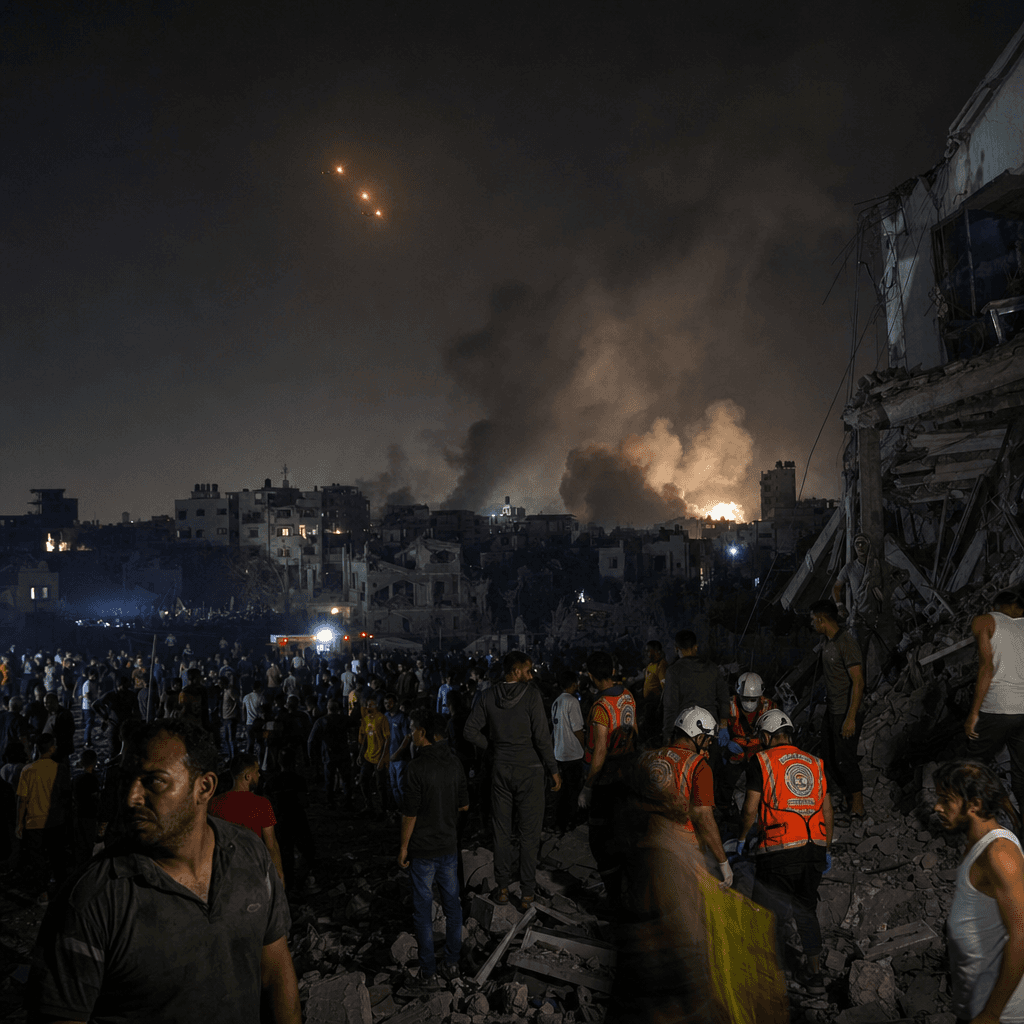
Israel Targets Hamas’s New War Chief as Talks Fray
Netanyahu is using a leadership strike to keep pressure on Hamas, reassure hawks at home, and preserve leverage while ceasefire talks stall.
Benjamin Netanyahu said Israel carried out an attack against Hamas’s new armed wing chief, a move that keeps the decapitation campaign against Hamas leadership active even as the diplomacy around Gaza remains unresolved (Reuters). The signal is straightforward: Israel intends to deny Hamas any safe succession cycle, and it is willing to keep the battlefield hot while talks over disarmament and withdrawals stay frozen.
What Israel is signalling
This is not just another strike; it is a message to Hamas’s command structure that replacing senior figures does not buy time. Israel has spent the war trying to break Hamas’s operational continuity, and targeting the newly installed military chief fits that logic. If the attack succeeded, it removes a fresh node in Hamas’s chain of command. If it did not, Netanyahu still gets a public demonstration that Israel can reach the top tier of the organization at will (Reuters).
The broader political aim is to keep Hamas under pressure while Israel defines the terms of any next phase. That matters because the same day saw Israel widen its fire elsewhere: Netanyahu said he had authorized more intensive strikes against Hezbollah, and Israeli attacks in Lebanon’s Bekaa Valley killed 12 people, according to local reporting and Asharq Al-Awsat. For policymakers following the regional picture, the implication is clear: Israel is not narrowing the conflict; it is using multiple fronts to keep adversaries off balance. See the wider regional lens on
Conflict.
Why it matters for Hamas and the talks
For Hamas, leadership turnover is a vulnerability, not a reset. A new armed-wing chief has to demonstrate control, protect his own security, and keep fighters aligned while the organization remains under sustained military pressure. That is exactly the kind of moment Israel wants: disrupted command, no predictable rear area, and no certainty that succession will stabilize the group.
The timing also matters because indirect talks remain tied to Hamas disarmament and Israeli withdrawal issues. Asharq Al-Awsat reported that Israel and Hamas are still deadlocked over the second phase of the deal, which includes the group’s disarmament and Israeli army withdrawals. That is the real leverage point. Israel is trying to make the costs of noncompliance rise faster than Hamas can adapt, while Hamas is trying to survive long enough to negotiate from something resembling a position.
The beneficiaries here are Netanyahu and the Israeli security establishment, which can show it is still imposing costs on Hamas despite the time that has passed since the war’s peak. The losers are Hamas’s military command and the mediators—especially Qatar, Egypt, and the United States—who need enough quiet to turn military pressure into a political settlement.
What to watch next
The immediate question is whether Israel confirms the strike was lethal, and whether Hamas names the successor or retaliates quickly. The next decision point is whether the attack derails the indirect talks or is absorbed as another round in a war of attrition. Watch for official damage assessments, Hamas’s statement, and any U.S. attempt to re-open a negotiating channel over the next 24 to 48 hours. If that does not happen, this becomes another step toward a wider, longer conflict rather than a one-off leadership hit.
Discover more

Tech Policy
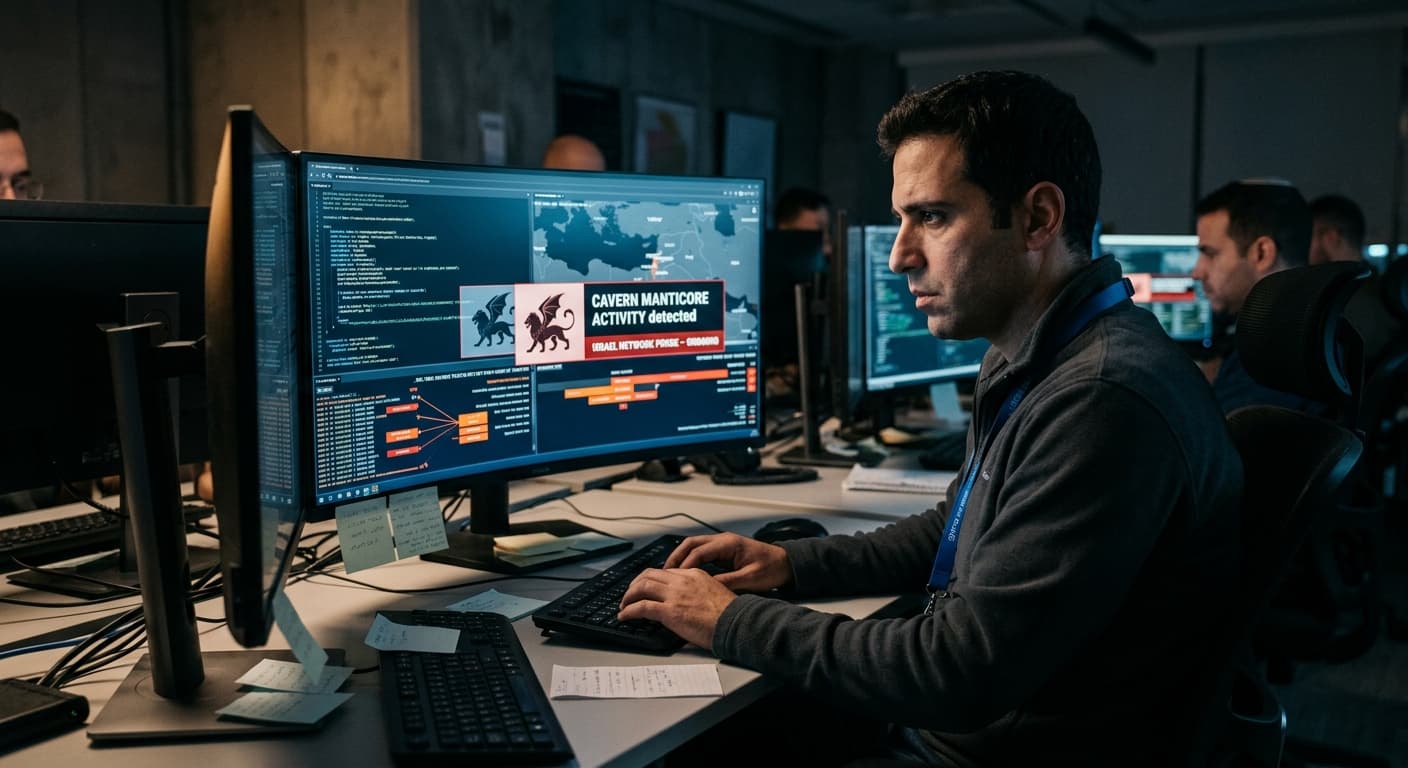
Iran's Cavern Manticore Targets Israel's IT
Cavern Manticore, an Iran-linked hacking group, targets Israeli IT vendors, prompting a shift in Israel's cybersecurity policy and legislative efforts.
Tech Policy
Iran's Cavern Manticore Cyber Threat
Iran's Cavern Manticore cyber group exploits Israeli IT networks, leading to new cybersecurity regulations in Israel.
Conflict & Security
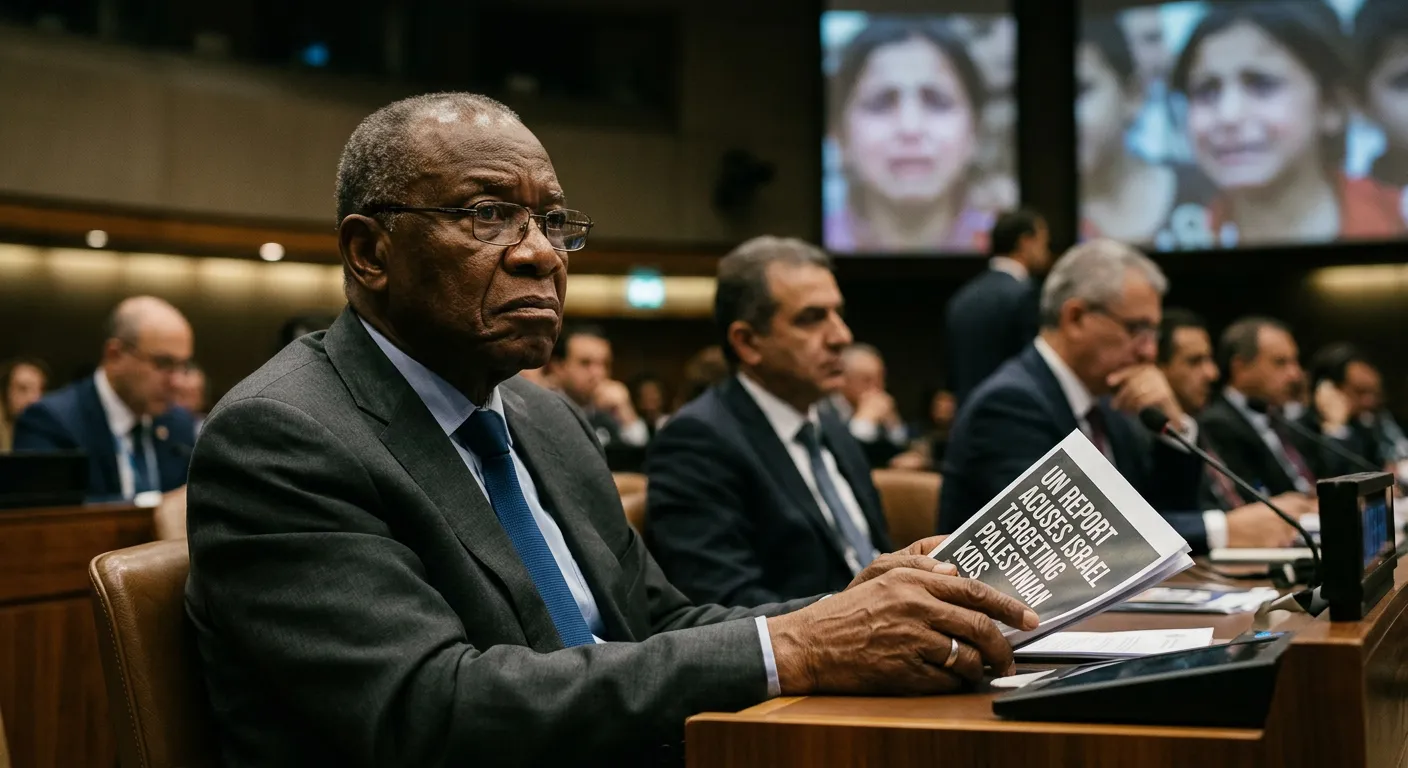
UN Report: Israel Targets Palestinian Kids
A UN report accuses Israel of genocide against Palestinian children in Gaza, citing grave human-rights violations and intensifying scrutiny of the war's toll.
Conflict & Security
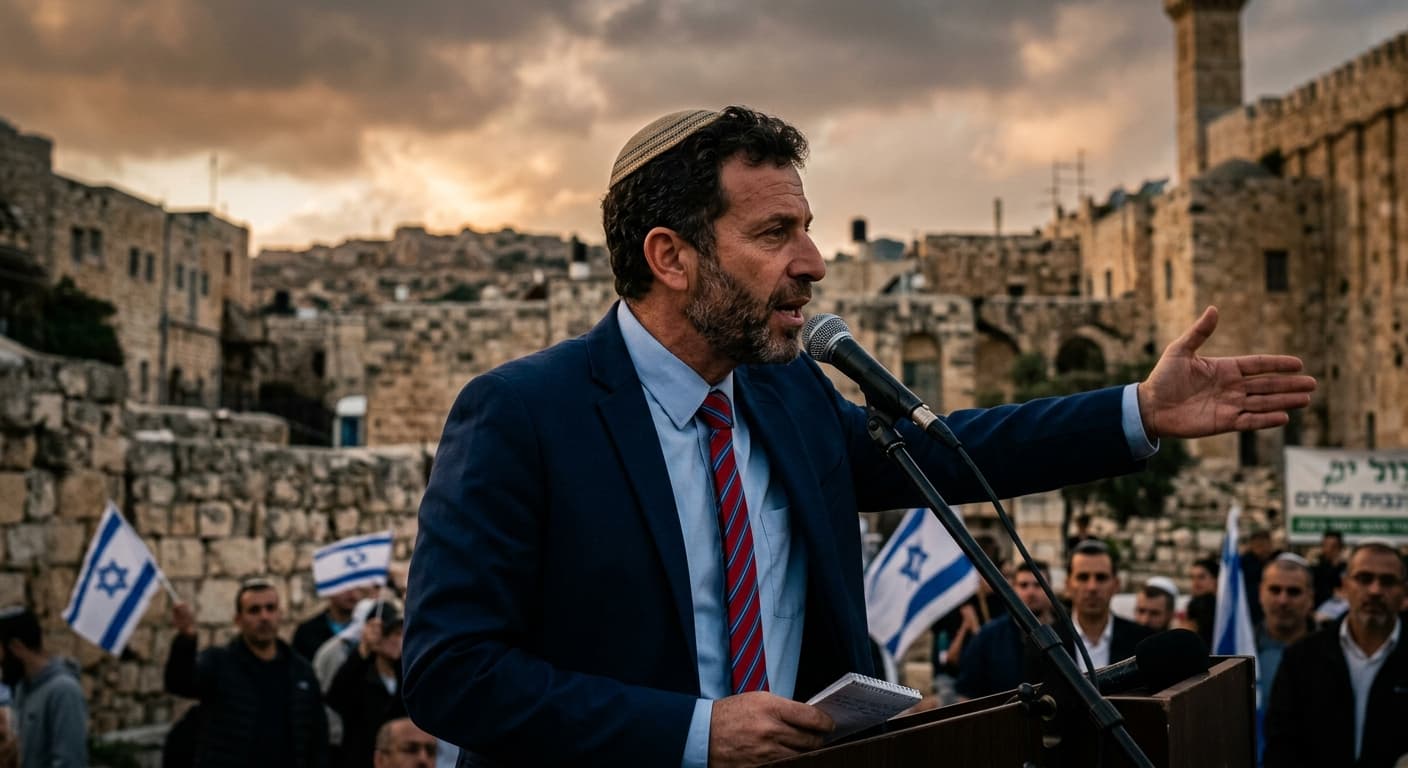
Israel's Annexation Strategy Escalates
Israel's annexation push goes public as minister Smotrich declares intent in Hebron, signaling an open strategy to entrench West Bank settlements and control.