Iran's Response to U.S. Proposal
Tehran's reply will reveal the power dynamics at play.
Model Diplomat3 min readMiddle East
Iran’s Reply Will Test Trump’s Leverage
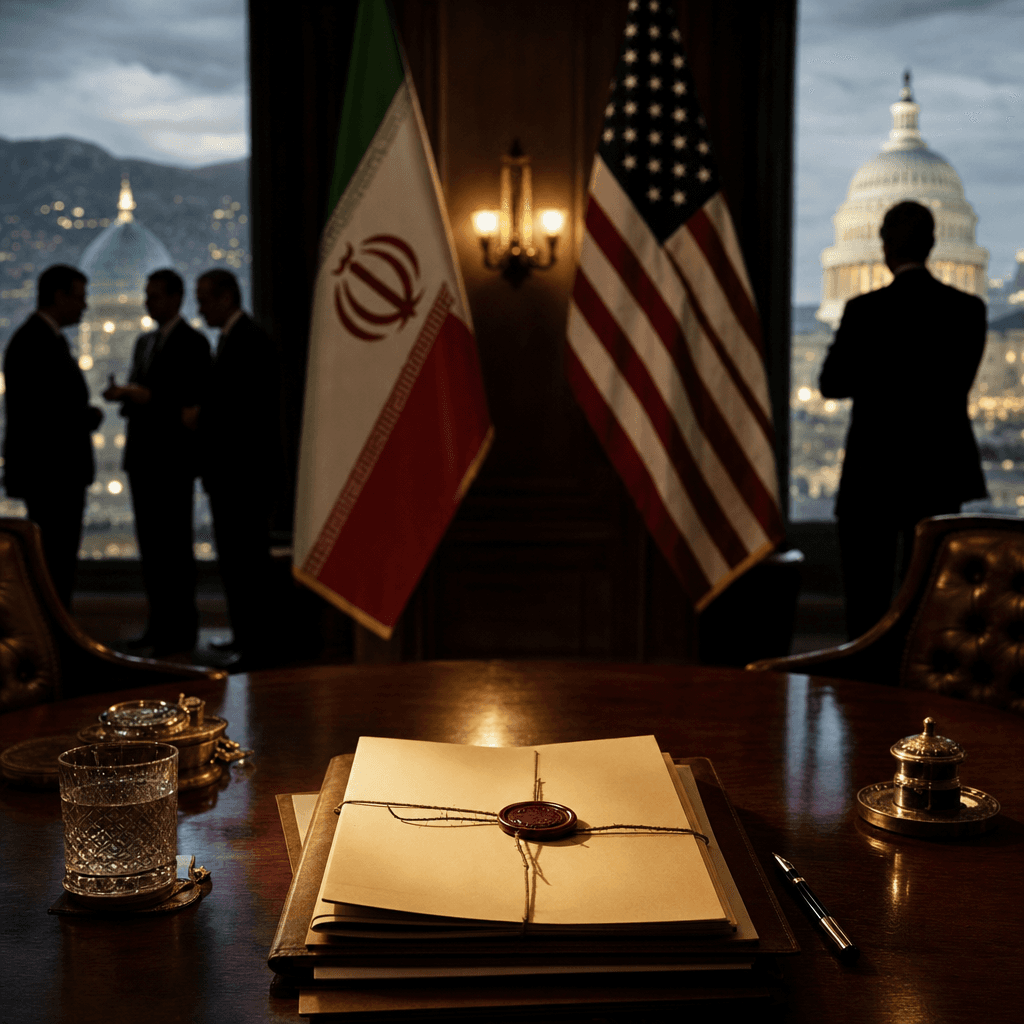
Tehran is due to answer Washington through Pakistani mediators, and the shape of that reply will show who is dictating terms.
Iran is expected to hand its response to the U.S. proposal to Pakistani intermediaries on Thursday, according to CNN, after reviewing a text that could form the basis of a short memorandum on ending the war and opening a 30-day window for broader talks (CNN;
CNN Politics). That sequence matters: Pakistan is acting as the channel, but the real bargaining is still between Washington and Tehran over the same two issues that have stalled every previous round — Iran’s enrichment program and the future of access through the Strait of Hormuz.
Iran is using delay to keep leverage
The immediate significance is not the reply itself; it is the fact that Iran is still holding back a formal answer while extracting time. CNN reported that the U.S. text includes a moratorium on uranium enrichment for more than 10 years, plus the removal of Iran’s stockpile of highly enriched uranium from the country (CNN Politics). That is a hard line for Tehran. Al Jazeera’s reporting shows why: Iranian officials have been signaling that any broader settlement should come with sanctions relief, security guarantees, and a deal on Hormuz before nuclear concessions (
Al Jazeera).
This is the core power dynamic. Washington wants to lock in the nuclear issue first because that preserves sanctions leverage and limits Iran’s breakout capacity. Tehran wants the sequencing reversed because reopening Hormuz and easing pressure would improve its economic and political position before it gives up anything irreversible. That is why the proposal is being described as a memorandum and not a final settlement: both sides want the appearance of movement without surrendering their strongest cards.
Pakistan’s role is bigger than mediation
Pakistan’s value here is not just geographic. It gives both sides a way to say talks are continuing even if direct contact remains brittle. CNN said the White House received positive feedback from Pakistani mediators on Tuesday, but Trump officials also warned that negotiations have fallen apart before at the last minute (CNN Politics). That skepticism is warranted. Al Jazeera reported that the Trump administration has already viewed Iran’s preferred sequence — Hormuz first, nuclear later — as an attempt to postpone the issue Washington cares about most (
Al Jazeera).
The likely beneficiary of a delay is Tehran’s hardline camp, which gains room to argue that it is not capitulating under pressure. The beneficiary of a deal is Trump, if he can claim he forced a pathway back to shipping normalcy and contained a wider regional crisis. The loser, if talks stall again, is the market: every day of uncertainty over Hormuz keeps insurance costs, freight rates, and energy prices exposed.
What to watch next
Watch Thursday’s Iranian reply, but more importantly watch the framing: does Tehran answer the U.S. text as a basis for sequencing, or as a rejection of the nuclear-first structure? If Iran sends back a counterproposal that preserves enrichment rights or ties nuclear concessions to sanctions relief and maritime guarantees, the talks are still alive — but the gap remains wide. The next real deadline is the moment Washington decides whether this is diplomacy worth extending, or pressure worth resuming. For more on the regional stakes, see Global Politics and
Iran.
Discover more
Global
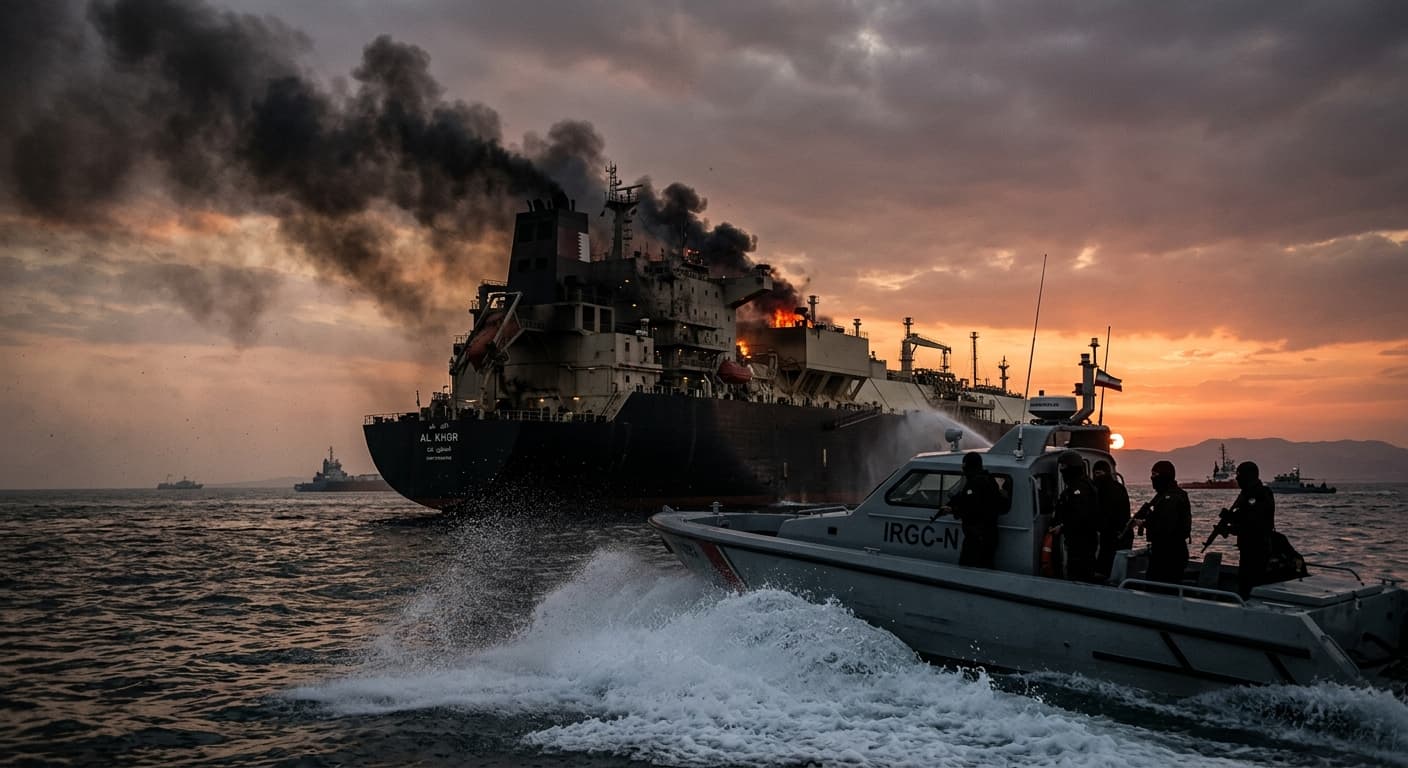
Qatari Tanker Strike Exposes Hormuz Tensions
A Qatari tanker was struck off Oman, revealing the fragility of the Hormuz ceasefire and Iran's influence over maritime security.
Global
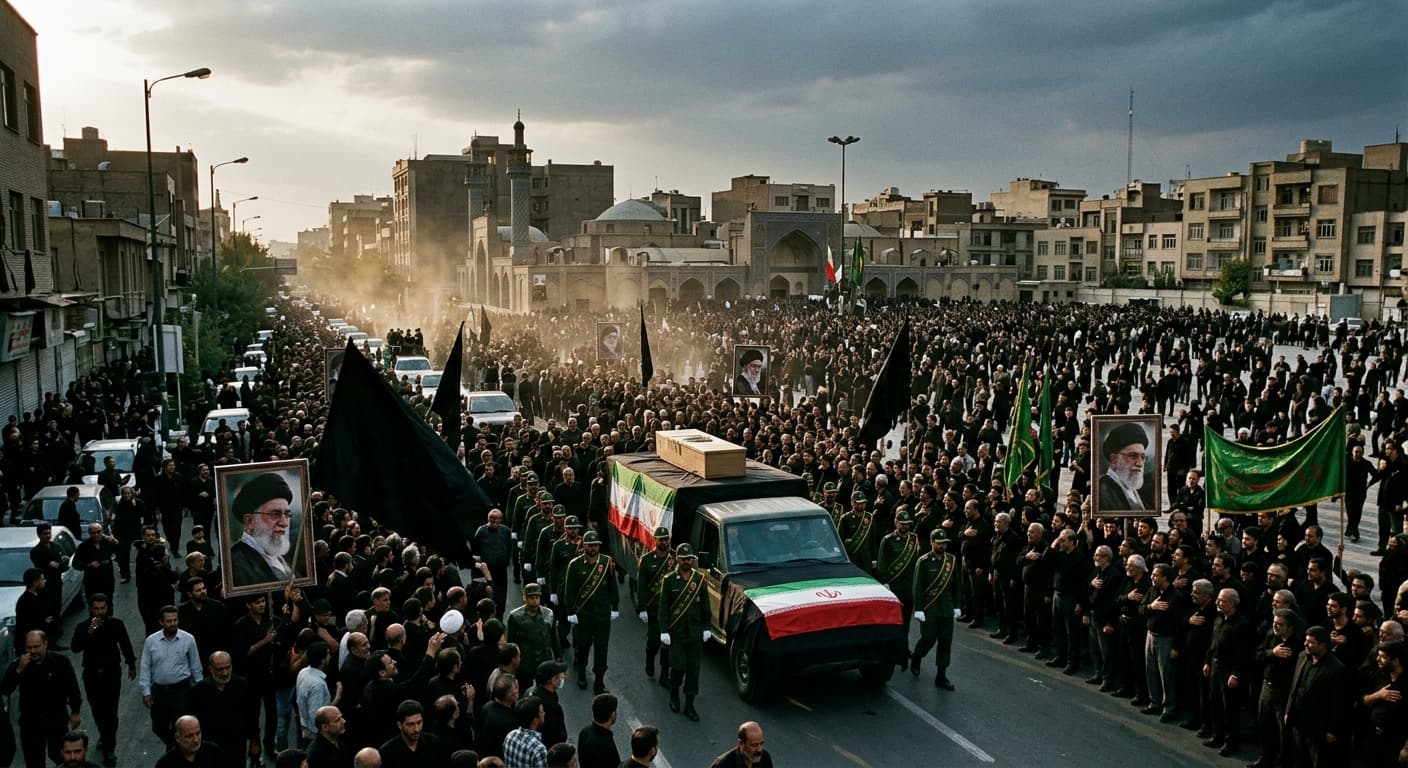
Khamenei's Funeral Signals Iran's Decline
The funeral of Ayatollah Khamenei highlights Iran's diminished influence in the Gulf, with regional powers now dictating terms.
Global
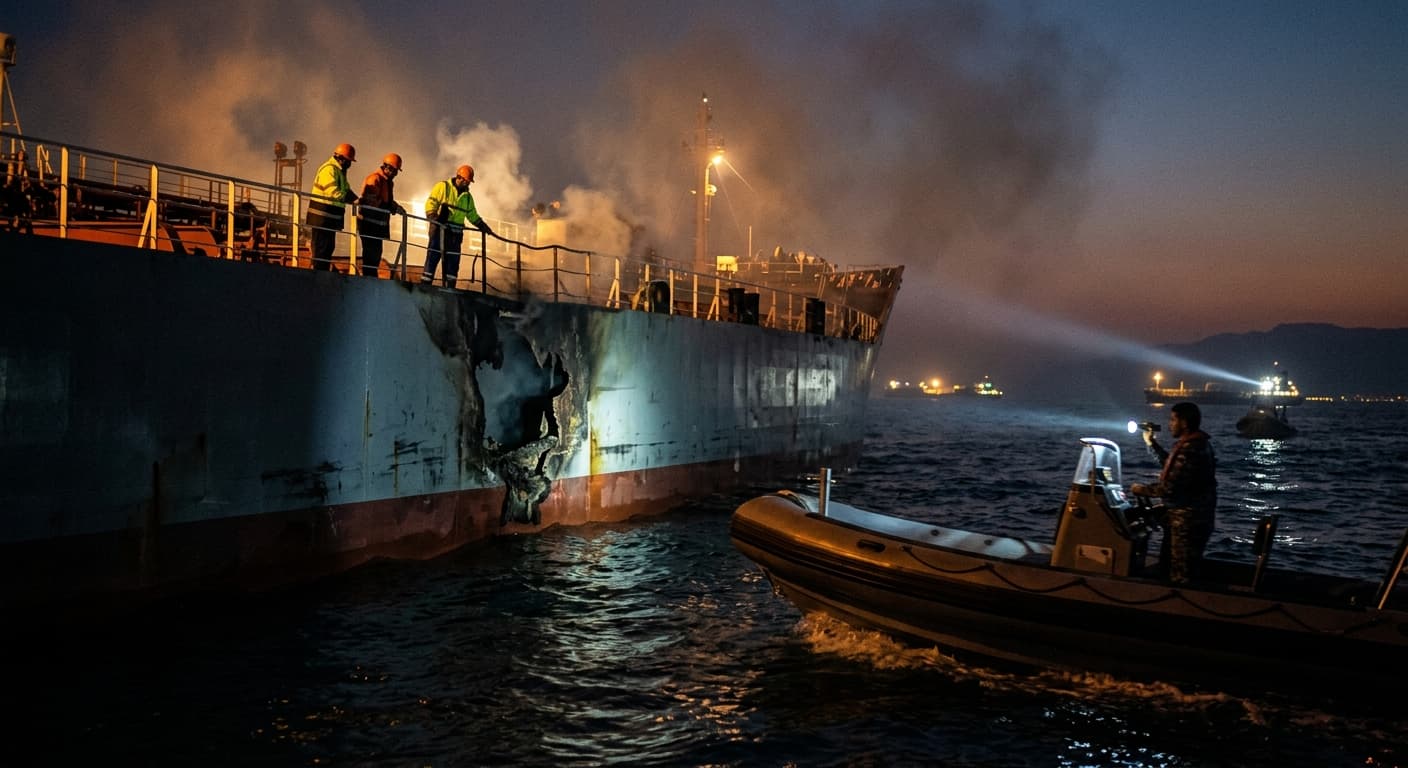
Iran's Hormuz Missile Strikes: A Toll Booth
Iran's missile attack on a Qatari-linked tanker highlights Tehran's strategy to control the Strait of Hormuz, impacting Gulf states and maritime law.

Tech Policy
Iran's Cavern Manticore Targets Israel's IT
Cavern Manticore, an Iran-linked hacking group, targets Israeli IT vendors, prompting a shift in Israel's cybersecurity policy and legislative efforts.