Iran Talks Fail, Oil Prices Surge to $96
Tehran boycotts talks, oil prices soar amid tensions.
Model Diplomat3 min readMiddle East
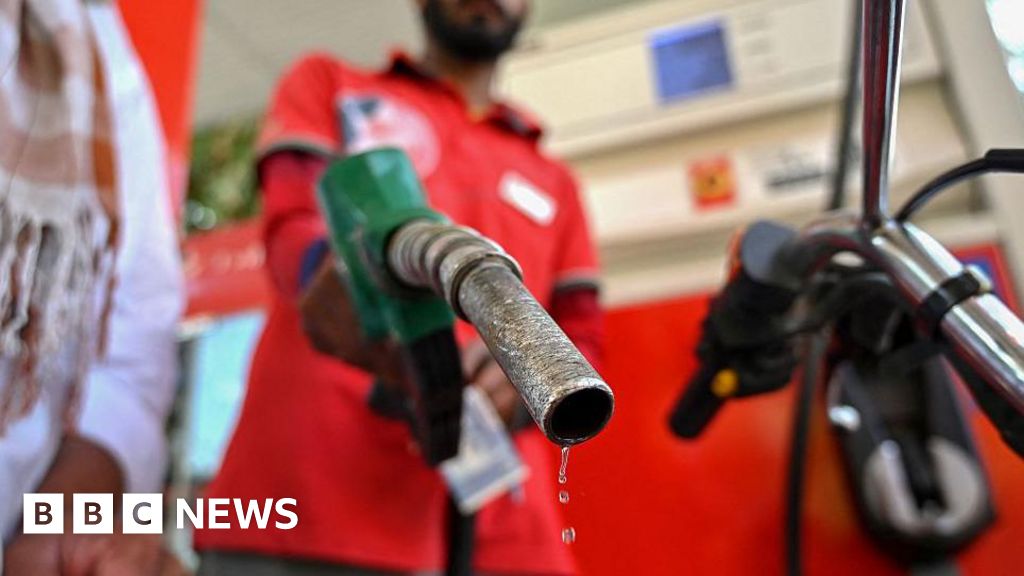
Iran Talks Collapse, U.S. Blockade Tightens — Oil Hits $96
Tehran boycotts the second round in Islamabad. Brent surges to $96.30. The Strait of Hormuz is now the real negotiating table.
Tehran has refused to attend a second round of US-Iran peace talks in Islamabad, citing Washington's active naval blockade of Iranian ports as a precondition-breaker. The breakdown follows a first round on April 12 that lasted 21 hours without a binding agreement, after VP JD Vance demanded Iran commit to abandoning nuclear weapons development — terms Tehran rejected. Brent crude jumped to $96.30/bbl, WTI to $90.22, as markets priced in the risk of a prolonged standoff at the world's most critical energy chokepoint.
The Leverage Math
Trump's core instrument is the blockade. After the April 12 collapse, CENTCOM announced a naval cordon restricting ships entering or exiting Iranian ports. On April 19, U.S. forces seized the Iranian-flagged cargo vessel Touska near the Strait of Hormuz after it allegedly attempted to breach the blockade — Iran's joint command called it piracy and a ceasefire violation. Washington is signaling it will hold the blockade as leverage until Tehran makes nuclear concessions.
Iran's counter-leverage is the Strait itself. Roughly 20% of global oil supply transits the Hormuz Strait. Tehran doesn't need to close it — the threat of interference is already doing the work, pushing Brent from ~$70 pre-conflict to an intraday spike above $119. Iran's position: lift the blockade first, then talk. Washington's position: no relief without nuclear commitments first. Both sides are waiting for the other to blink.
Who Gains, Who Bleeds
Winners: Gulf producers — Saudi Aramco and the UAE's ADNOC are collecting a windfall at elevated prices without firing a shot. Russian exporters are similarly insulated. U.S. shale operators are quietly booking margin at $90+ WTI.
Losers: Asian import-dependent economies — India, Japan, South Korea, and China collectively absorb the majority of Hormuz-routed crude. India, already managing March inflation pressure, faces an acute energy cost shock. European refiners exposed to Brent are repricing supply contracts in real time. U.S. consumers see downstream gasoline pressure at a politically sensitive moment for the Trump administration.
Pakistan holds a narrow diplomatic asset as the designated mediator — Islamabad's continued facilitation of the ceasefire framework is the only structural barrier between a pause and open resumption of hostilities.
The highest-level Washington-Tehran engagement since the 1979 Revolution has, for now, produced a stalemate. For a full breakdown of the regional conflict dynamics, the fault lines run deeper than the nuclear file.
What to Watch
The ceasefire expiry is the clock. The 10-day ceasefire brokered through Pakistan was set to lapse around April 22 — markets and mediators will be watching whether it was extended or quietly allowed to expire. If the Touska seizure triggers an Iranian retaliatory move in the Strait — even a symbolic one — expect Brent to test $100+. The next meaningful signal will come from CENTCOM posture reports and Iranian Foreign Ministry statements on whether back-channel contact through Pakistan remains active. A third round of talks, if it happens at all, will require one side to move first on either the blockade or the nuclear precondition. Neither has yet.
Discover more

Global Politics
US Seizes Iranian Ship, Tensions Surge
The US seizure of the Iranian ship Touska highlights a shift in control over the Strait of Hormuz, favoring Iran's strategic position.

Conflict & Security
Drone Warfare Killing Aid Workers at Unprec
Over 1,000 humanitarian workers killed in three years as cheap armed drones collapse legal protections. Gaza, Sudan, Ukraine, and DRC see deliberate targeting of aid convoys and hospitals with zero prosecutions.
Global
World Normalises Taliban as Afghan Women Eras
UN data shows Afghan women erased from public life as Russia recognises the Taliban, EU hosts officials in Brussels, and ICC warrants for gender persecution go unenforced.
Conflict & Security
West Africa Food Crisis: Three Shocks in 2026
Conflict, climate extremes, and the Strait of Hormuz closure drive a severe food crisis in West and Central Africa, with fertilizer prices surging 80% and millions displaced.