India’s Heatwave Has a Short Fuse — Relief Starts May 29
IMD sees north India cooling after May 28, but the break comes through storms and a western disturbance, not a clean end to summer stress.
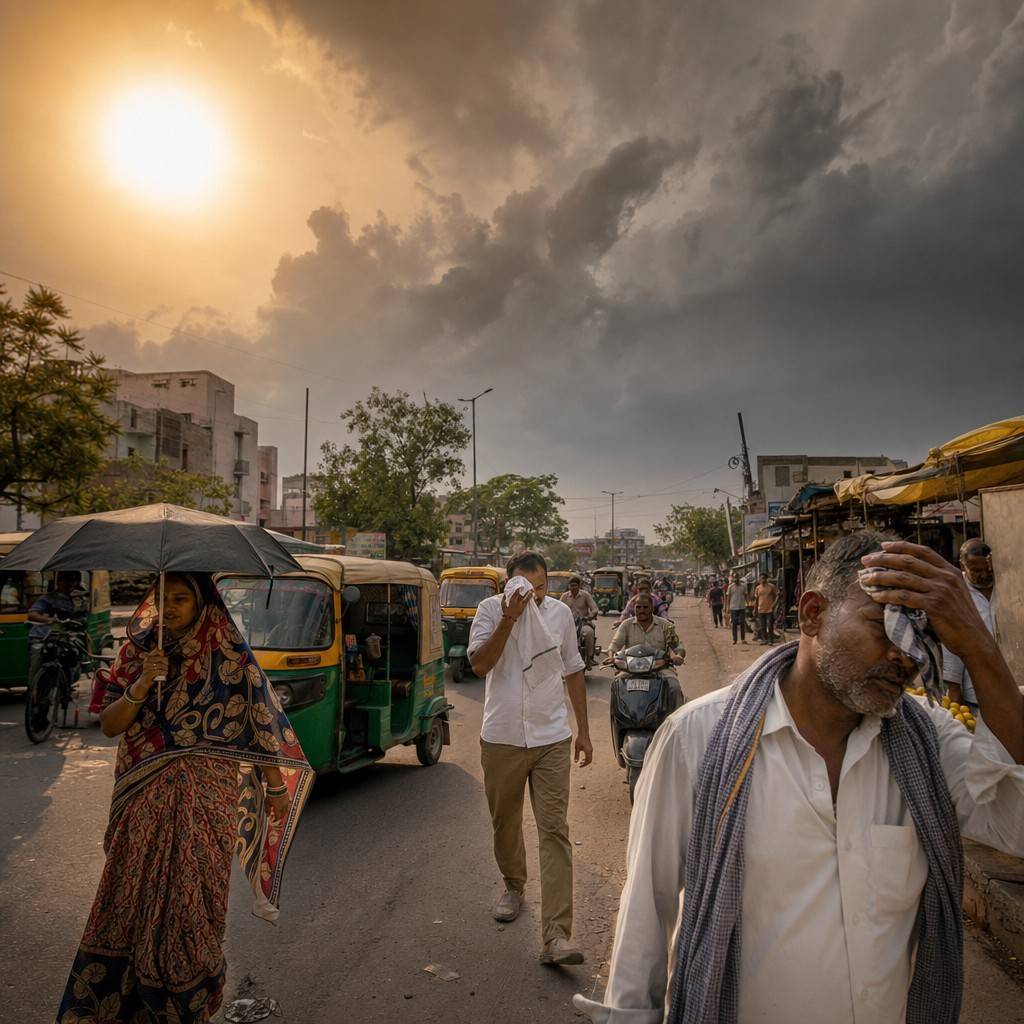
The India Meteorological Department is signaling a narrow window for relief: maximum temperatures should begin to ease from May 29, with a western disturbance bringing thunderstorms and a sharper drop after May 28, while Delhi, Punjab, Haryana, Chandigarh and Uttar Pradesh stay locked in 43C-45C heat until May 27, according to  NDTV. For
  India, the leverage is still with the weather, not policymakers: the heat ends when the atmospheric pattern shifts, and that shift now looks incremental, not dramatic.
Why this relief matters
This is not just a comfort story. The IMD’s forecast splits the country into two distinct tracks: north and central India remain under heatwave pressure for several more days, while the south moves into the monsoon transition, with the Kerala coast likely to see onset around May 26, nearly a week ahead of the usual date, per NDTV. That matters because it shows the season turning unevenly: one part of the country is still absorbing the peak pre-monsoon shock just as another is getting rain-driven relief.
The immediate beneficiaries are southern states that can bank on rainfall, and the weather system itself, which is finally starting to relieve pressure in the peninsula. The losers are the northern states still waiting for the western disturbance. Rajasthan, Madhya Pradesh, Vidarbha, Chhattisgarh, Odisha, Bihar, Jharkhand and Telangana are all still in the heat zone, which means the cooling is arriving too late to prevent the worst of the short-term strain, not least on hospitals, schools and transport systems.
The real pressure point is the grid
The heatwave is already pushing India’s power system to the edge. On May 22, the power ministry said peak demand hit a record 270.82 gigawatts as cooling use surged, and Delhi’s minimum temperature reached 31.9C — the highest May night low in 14 years — according to  India warns of power use as demand peaks during heatwave from CNA. That is the operational cost of this heatwave: not just higher daytime peaks, but nights that never cool down, forcing air-conditioners and fans to run longer.
Health risk is rising in parallel. At least 16 people had died of heatstroke in southern India so far this summer, according to  Heatstroke kills 16 in India as temperatures climb, reported by BSS/AFP. That makes the IMD’s timing critical. A two- to three-day delay in rainfall or cloud cover can turn a dangerous heat spell into a public health event, especially for outdoor workers, the elderly and people without reliable cooling.
What to watch next
The next decision point is the western disturbance’s arrival on May 28 and whether it delivers the promised 6C-8C drop across the plains, as NDTV reported from IMD scientist Akhil Srivastava. If that shift underperforms, north India stays exposed; if it lands on schedule, the heat crisis will move from emergency to nuisance — but only briefly, because the monsoon advance into Kerala and the rain belt in the south will then become the bigger weather story. For policymakers, the message is simple: watch the May 28-29 transition, not the headline promise of “relief.”