India's Economic Resilience
Moody's highlights India's robust economic management and growth potential.
Model Diplomat2 min readAsia
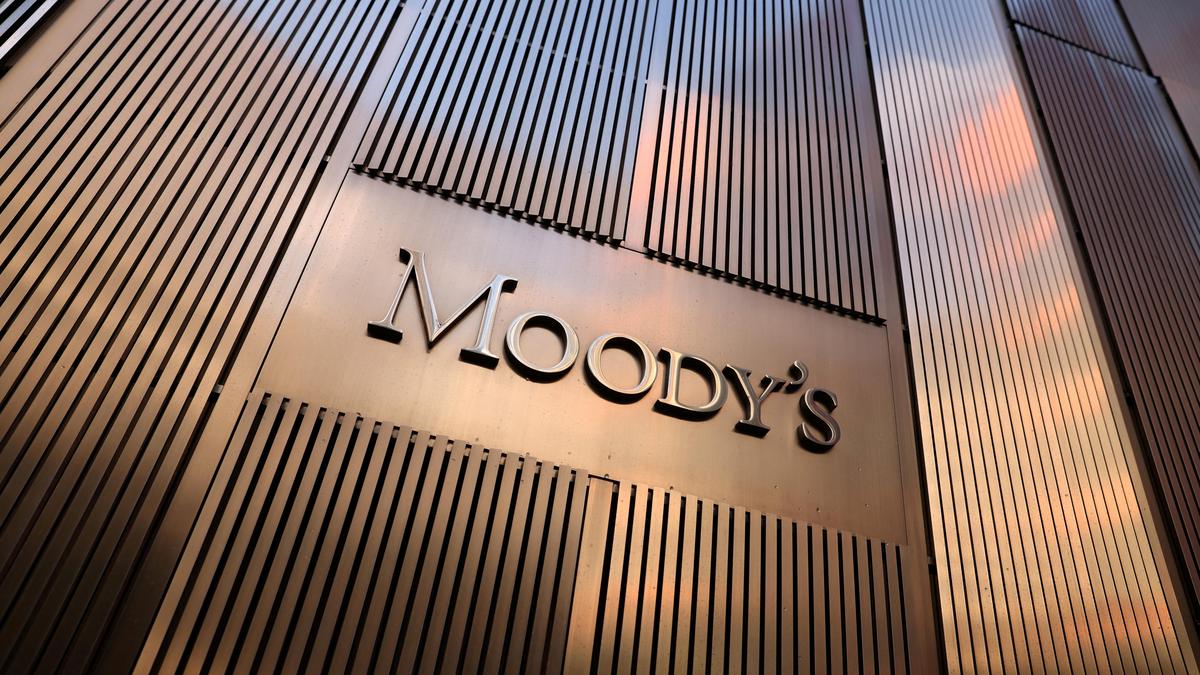
India Poised for Resilience: Moody's Acknowledges EM Economic Strength
Moody's Ratings names India the most resilient emerging market, citing strong forex reserves and stable policy frameworks as key to weathering future global shocks. Analysis projects it will lead G20 growth.
Moody's Ratings, on May 5, 2026, declared India the most resilient large emerging market economy since 2020. The agency highlighted that India is well-positioned to manage future global shocks due to its clear and predictable monetary policy frameworks, well-anchored inflation expectations, and adaptable exchange rate mechanisms. This assessment underscores India's capacity to absorb external pressures, a finding that bolsters its standing among developing economies.
India's Economic Fortress
The core of Moody's assessment rests on India's robust macroeconomic management. Specifically, the agency pointed to India's sizeable foreign exchange reserves as critical for checking currency volatility and reinforcing investor confidence during periods of global turbulence. Since 2020, India has demonstrated consistent stability, outperforming peers. This resilience is attributed to a combination of factors that create a strong financial buffer: predictable monetary policy, expectations for inflation remaining contained, and the flexibility of the rupee to adjust to market forces without triggering destabilization. This institutional strength provides a significant advantage in an increasingly unpredictable global economic landscape.
Growth Engine Amidst Volatility
This acknowledged resilience is situated within a context of strong projected economic expansion. Moody's, in February 2026, forecast India's GDP to grow at 6.4% in fiscal year 2026-27, positioning it as the fastest-growing economy among G20 nations. This growth is underpinned by robust domestic consumption and supportive policy measures. While external factors, such as geopolitical tensions in West Asia, present risks to commodity importers by disrupting trade routes and potentially raising inflation, India's foundational strengths—particularly its foreign exchange reserves and stable domestic demand—make it better placed to mitigate these shocks than many peers. This dual capability of managed risk and sustained growth offers a compelling narrative for investors and policymakers alike.
What to Watch Next
Attention will now focus on the sustained execution of India's economic policies to maintain this resilient trajectory. Key indicators to monitor include inflation trends, the manageability of import bills amidst potential supply chain disruptions, and the government's fiscal discipline in supporting growth. Furthermore, how India navigates future global shocks—be they geopolitical, commodity-price related, or financial—will test the depth of this reported resilience. The government’s ability to leverage its strong external position and predictable policy environment will be crucial as India continues to shape its role in
Global Politics.
Discover more

India
India-South Korea $50B Trade Expansion Plan
India and South Korea target $50 billion in bilateral trade by 2030, focusing on industrial cooperation and strategic alignment amid US pressures.
India
Modi's Women’s Convention in Varanasi
Modi's Varanasi rally frames women's reservation as a national mission, targeting the 2027 Uttar Pradesh elections with a strategic narrative.
India
Rajnath Singh's Durga Squad for 2026 Polls
Rajnath Singh's Durga Squad promised women's safety in Bengal but has since disappeared from the agenda, revealing BJP's true priorities.

Conflict & Security
Drone Warfare Killing Aid Workers at Unprec
Over 1,000 humanitarian workers killed in three years as cheap armed drones collapse legal protections. Gaza, Sudan, Ukraine, and DRC see deliberate targeting of aid convoys and hospitals with zero prosecutions.