Hyderabad's Infrastructure Race
Telangana's plan to enhance Hyderabad's infrastructure for growth.
Model Diplomat3 min readAsia
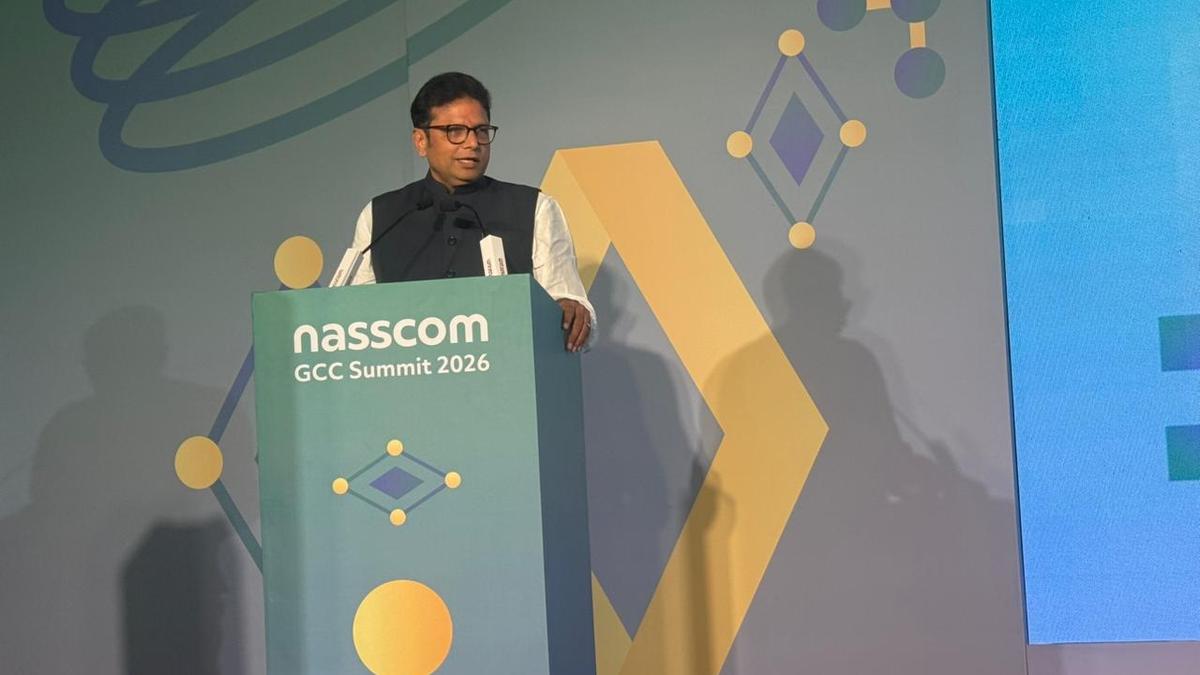
Hyderabad’s infra race is really a GCC retention plan
Telangana is using roads, metro, airports and talent hubs to keep Hyderabad’s fast-growing GCC economy from choking on its own success.
Telangana is turning infrastructure into industrial policy. IT and Industries Minister D. Sridhar Babu said on Thursday that the state will double Hyderabad’s infrastructure over the next 10 years to support enterprise growth and avoid the kind of urban overload seen in other major cities, speaking at the NASSCOM GCC Summit 2026 in Mumbai, according to The Hindu. The package, as outlined by his office, includes a 340-km Regional Ring Road, major metro and airport upgrades, plus the launch of the AIKAM innovation hub and Young India Skill University, tied to Telangana’s aim of reaching a $1 trillion economy by 2035 and building a net-zero urban ecosystem anchored by Bharat Future City and an AI City,
The Hindu.
The real target is GCC capital
This is not just about easing traffic. Hyderabad’s pitch to global capability centres is that it can still scale faster than Bengaluru without becoming trapped by congestion. That matters because the city is already gaining share in India’s GCC market: Hyderabad’s slice rose to 14% from 12% between FY24 and FY26E, while Bengaluru held 29%, according to the Nasscom-Zinnov landscape report cited by Moneycontrol. India now has 2,117 GCCs and about 2.36 million professionals, with over 500 GCCs added in five years,
Moneycontrol and
Storyboard18 reported.
That growth creates leverage for Telangana. Firms building engineering, AI and semiconductor work want dense talent pools, but they also want usable roads, metro access and predictable civic systems. Moneycontrol cited industry concerns over traffic gridlock, narrow walkways and incomplete metro construction along the Outer Ring Road corridor, where many GCCs are clustered, Moneycontrol. In other words: Hyderabad’s advantage is no longer just policy friendliness; it is whether the city can keep the commute from taxing the business model.
Who benefits, who loses
The immediate winners are the multinationals already anchored in Hyderabad’s ecosystem — especially in BFSI, life sciences, semiconductors and product engineering — and the state government, which gets to market itself as the safer expansion bet. Sridhar Babu’s framing at the NASSCOM summit was explicit: Hyderabad is not selling itself as a back-office location but as a place where enterprise innovation can cluster, The Hindu.
The losers are the cities that fail the same test. Bengaluru still has the deeper talent pool and startup ecosystem, but the more its infrastructure saturates, the more Hyderabad’s cleaner expansion narrative gains value. That is the underlying competition inside Global Politics: states are not just building roads, they are bidding for where corporate gravity settles.
What to watch next
The next test is execution, not ambition. Watch for budget allocations, land acquisition on the Regional Ring Road, and whether metro and airport upgrades move on schedule over the next 12 months. Also watch the GCC announcements that follow this week’s messaging: if Hyderabad’s infrastructure promise is working, the payoff will show up first in new campus commitments, not ribbon-cuttings. A second checkpoint comes from the city’s already announced expansion plan: in February, Telangana said more than 45 projects worth over ₹20,000 crore were under way in Hyderabad, The Hindu. The question is whether this latest push actually de-risks the city’s growth — or merely confirms how much congestion is already shaping the investment map.
Discover more

India
India-South Korea $50B Trade Expansion Plan
India and South Korea target $50 billion in trade, enhancing economic cooperation amid shifting global dynamics.
India
Rajnath Singh's Durga Squad for 2026 Polls
Rajnath Singh's 'Durga Squad' initiative targets women's safety ahead of Assembly Elections 2026, contrasting with Rahul Gandhi's southern campaign.
India
CPI(M) Calls to Decouple Quota from Delimita
CPI(M) demands the Indian government to separate quota policies from delimitation to enhance representation for marginalized communities.
India
India Rejects Zardari's Mosque Comments
India's MEA rebukes Zardari's mosque comments, citing Pakistan's human rights record.