DRC Files Case Against Rwanda at ICJ
Kinshasa accuses Kigali of decades of abuses in Congo.
Model Diplomat4 min readAfrica
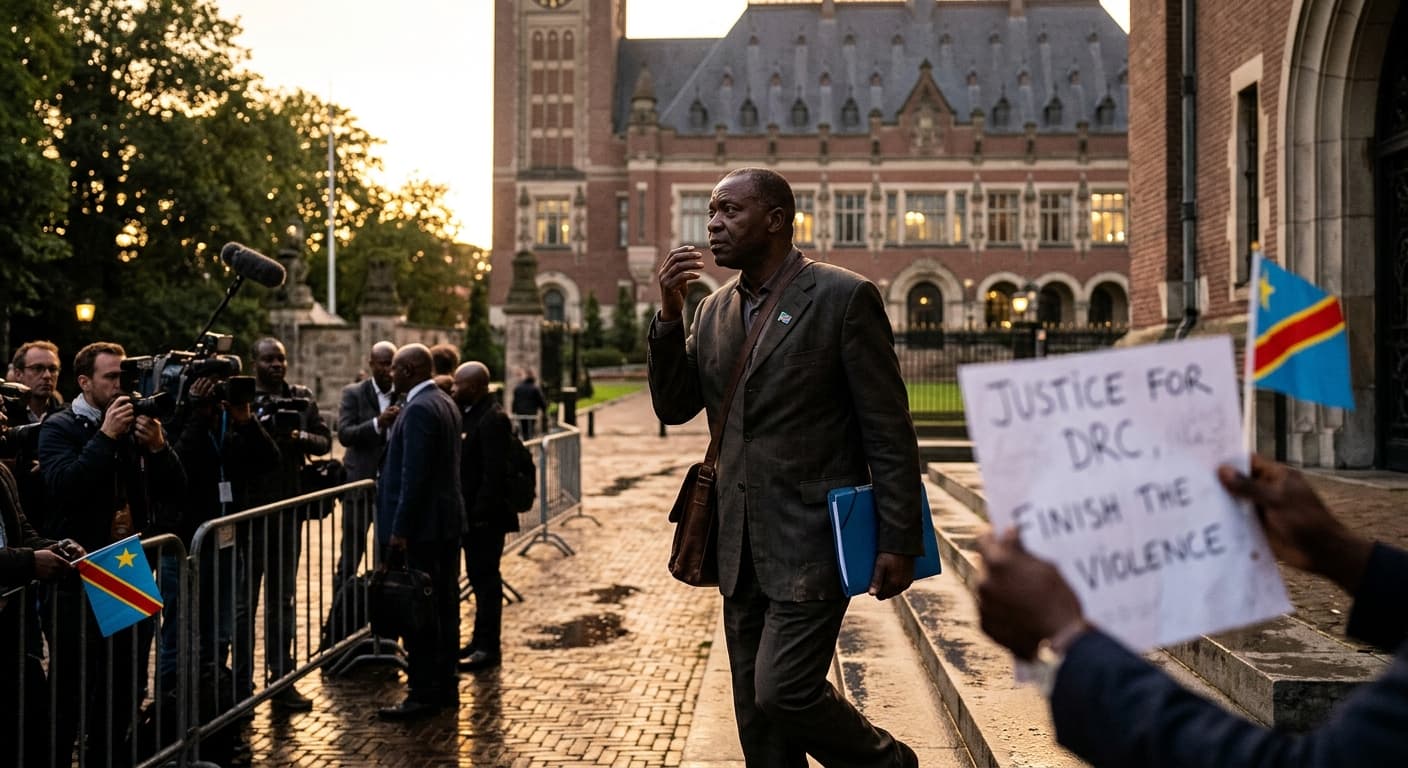
DRC Opens Third Front Against Rwanda at the ICJ — and This Time the Treaties May Hold
Kinshasa filed a sweeping case at the International Court of Justice on Friday, accusing Kigali of three decades of massacres, sexual violence, and proxy warfare in eastern Congo — the capstone of a multi-forum legal siege.
The Democratic Republic of the Congo filed an application against Rwanda at the International Court of Justice on Friday, June 26, alleging direct state responsibility for abuses stretching from 1996 to the present day — encompassing the First and Second Congo Wars, the M23 insurgency, and the current occupation of eastern cities including Goma and Bukavu. The ICJ confirmed receipt of the application in a statement.
Al Jazeera
The filing accuses Rwandan armed forces and their proxies — specifically naming the M23/AFC alliance and the AFDL — of conducting unlawful military operations targeting Hutu refugees who fled into then-Zaire after the 1994 genocide, as well as six other Congolese ethnic groups including the Nyindu, Bembe, and Nande. Congolese Justice Minister Guillaume Andali said Kinshasa is seeking accountability under conventions covering genocide prevention, racial discrimination, women's rights, and torture. BBC
Rwanda offered no immediate response. It has consistently denied backing M23 and frames its military presence as self-defence against the FDLR, a Hutu militia it says Kinshasa harbours — a claim the DRC rejects.
The power play: law as the weapon Kinshasa has left
This is the DRC's third attempt at the ICJ. A case was dropped in 2001; a 2006 filing was dismissed because Rwanda had not recognised the court's jurisdiction. What's changed is the legal architecture. By anchoring the claim in specific multilateral treaties — the Genocide Convention, CERD, CEDAW, and the Convention Against Torture — Kinshasa is attempting to establish jurisdiction through treaty obligations rather than requiring Kigali's general consent to ICJ adjudication. Whether the court accepts that argument will determine the entire case.
The filing doesn't exist in a vacuum. It is the most ambitious move in a coordinated legal offensive across three international tribunals. The African Court on Human and Peoples' Rights already ruled in June 2025 that it has jurisdiction over DRC's 2023 application against Rwanda — the first inter-state case in that court's history — and ordered Kigali to file submissions on the merits within 90 days. Anadolu Agency The East African Court of Justice is hearing a parallel case filed in September 2024. Separately, Kinshasa has made referrals to the International Criminal Court.
Kinshasa cannot defeat the M23 on the battlefield. The rebels captured Goma and Bukavu in early 2025 and continue to hold significant territory in North and South Kivu, backed — according to UN experts — by 3,000 to 4,000 Rwandan troops and advanced equipment including GPS-jamming systems and air defence. But the diplomatic ground is shifting. In March 2026, the US imposed sanctions on Rwanda's military and four senior commanders, including army chief of staff Vincent Nyakarundi and chief of defence staff Mubarakh Muganga, for violating the Trump-brokered Washington Accords. BBC
The Ugandan precedent and what's at stake
The DRC has travelled this road before — and won. In 2022, the ICJ ordered Uganda to pay $325 million in reparations for its role in the Congo wars. Kampala is paying in instalments through 2027. That judgment is the template Kinshasa is now applying to Kigali: establish state responsibility for proxy warfare, then pursue reparations measured in the hundreds of millions.
The humanitarian ledger behind the case is staggering. A Human Rights Watch investigation documented the execution of 53 civilians — including six children — during M23 and Rwandan forces' occupation of Uvira, alongside mass graves and systematic rape. BBC UNICEF reported over 35,000 cases of sexual violence against children in the first nine months of 2025 alone. More than 7.8 million people are internally displaced, per UN figures.
What to watch
The immediate question is whether Rwanda engages the ICJ process or boycotts it — and whether the court finds jurisdiction through the treaty pathway Kinshasa has laid out. A ruling on admissibility could take months; a final judgment on the merits, years.
The more proximate decision point is the African Court on Human and Peoples' Rights, which is expected to deliver its judgment on merits and reparations later in 2026. A ruling against Kigali there would hand Kinshasa precisely the legal precedent it needs to sustain the ICJ case — and would further isolate Rwanda diplomatically at a moment when US sanctions have already signalled that Western patience has run out.
For President Paul Kagame, the calculus is whether continued military dominance in eastern Congo is worth the accumulating legal and financial liability. For President Félix Tshisekedi, the ICJ filing is a bet that the courtroom can deliver what the army cannot.
Discover more

US Politics
White House Pressures Congress for Crypto Leg
The Trump administration's push for the CLARITY Act aims to reshape crypto regulation, impacting trillions in market value and the Trump family's wealth.
US Politics
Washington's Scrutiny of Iran War Prediction
The Iran war prediction market scandal exposes political ties and regulatory challenges in Washington, as insider trading concerns rise.

Global Politics
US Proposes Pakistan for Iran Talks Amid Ties
The US-Iran negotiations are now mediated by Pakistan, highlighting Islamabad's strategic role and the implications for regional diplomacy.
Conflict & Security
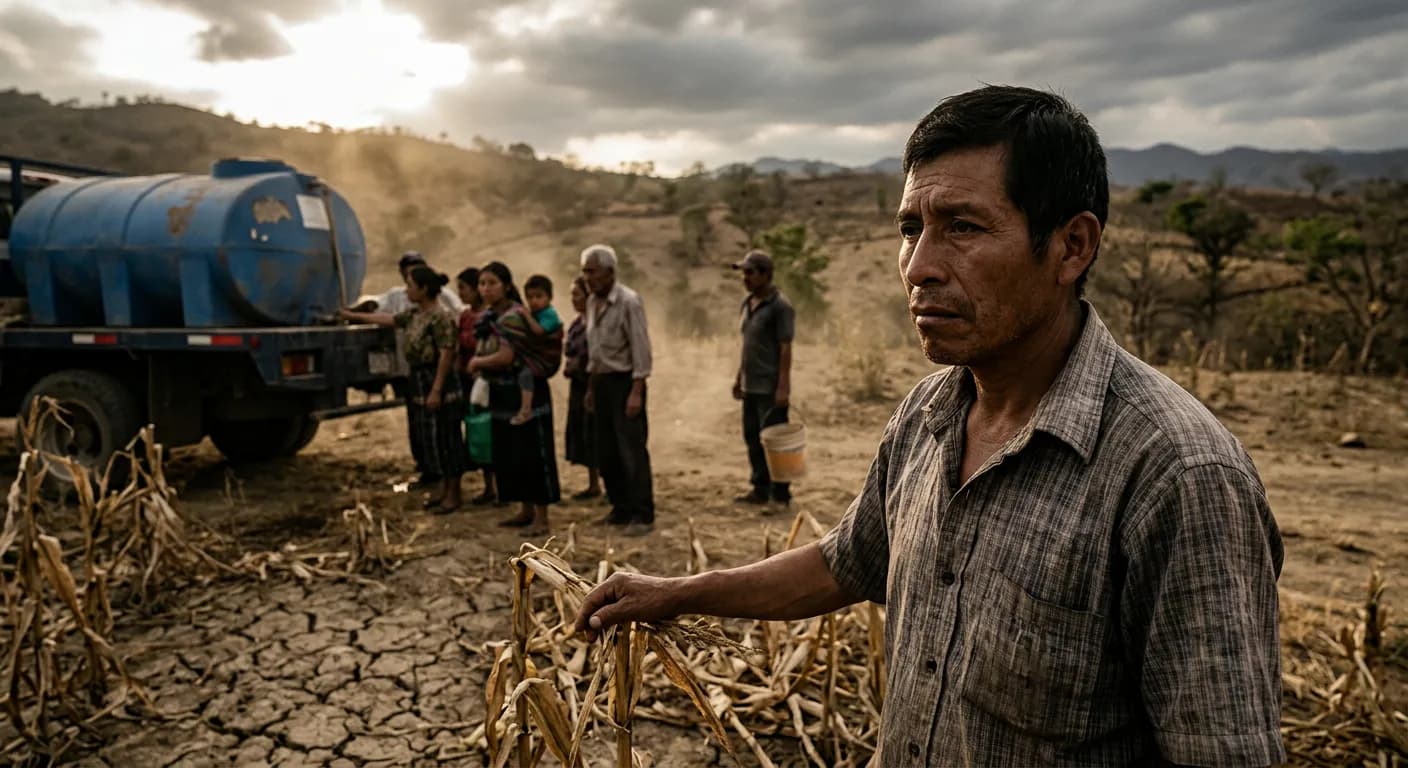
Guatemala: El Niño 2026–27 becomes regional security test
UNICEF: 25.8M children face El Niño risks in Latin America; Guatemala maps 188 municipalities for drought and food insecurity amid regional security test.